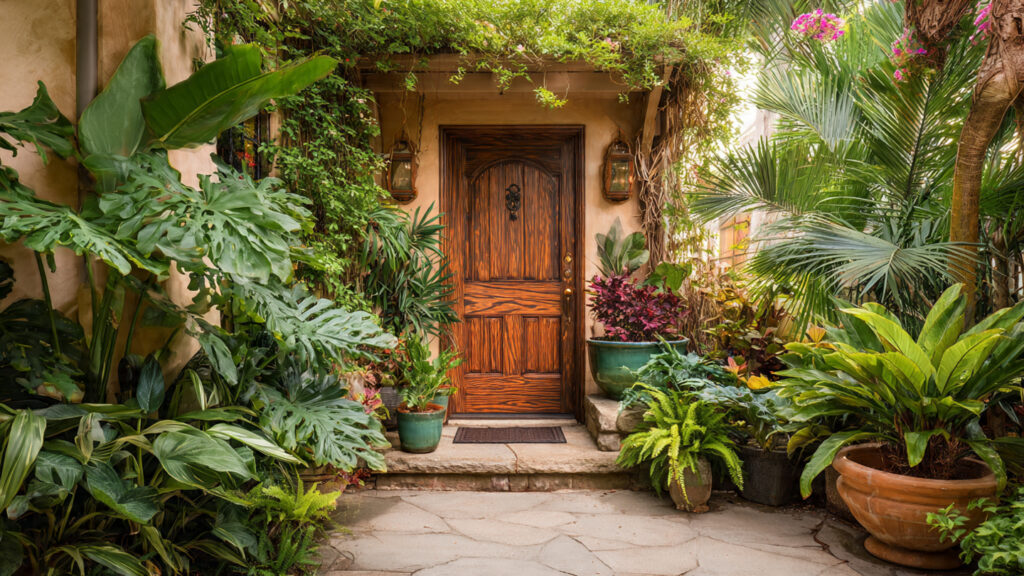
Your home’s entryway is more than just a transition from the outdoors—it’s the first impression guests have and the daily welcome you receive. One of the most effective ways to elevate this space is by creating a lush tropical oasis with carefully selected plants. Tropical plants bring vibrant greenery, exotic textures, and a sense of tranquility that instantly transforms even the smallest entryway into a verdant sanctuary.
In this article, we’ll explore the top plants for a tropical-inspired entryway, explain why they work in indoor or semi-indoor spaces, and provide practical tips to ensure they thrive.
Why Tropical Plants Work for Entryways
Tropical plants are ideal for entryways for several reasons:
- Visual Impact: Bold, glossy leaves and dramatic shapes create a striking first impression.
- Air Purification: Many tropical plants filter toxins, improving indoor air quality.
- Mood Enhancement: The lush greenery evokes calm and relaxation, making your entryway inviting.
- Low-Maintenance Options: Many tropical plants thrive in indirect light and can adapt to indoor conditions.
By incorporating these plants, you can turn a standard doorway into a green, vibrant welcome space.
1. Monstera Deliciosa (Swiss Cheese Plant)
- Why It Works: Monstera is iconic for its large, perforated leaves, instantly adding drama and a tropical vibe.
- Placement Tips: Place in a large decorative pot near natural light but avoid direct sun, which can scorch leaves.
- Care Tips: Water moderately, allowing soil to dry slightly between watering; mist leaves occasionally for humidity.
Monstera’s sculptural foliage makes it a perfect statement plant for any entryway.
2. Fiddle Leaf Fig (Ficus lyrata)
- Why It Works: Tall, upright growth with broad, glossy leaves adds elegance and vertical interest.
- Placement Tips: Ideal for corners or beside furniture in bright, indirect light.
- Care Tips: Keep soil evenly moist but not waterlogged; rotate plant to ensure even growth.
Fiddle Leaf Figs are dramatic and instantly recognizable, creating a high-end tropical feel.
3. Areca Palm (Dypsis lutescens)
- Why It Works: Graceful, arching fronds soften entryway corners and bring a classic tropical look.
- Placement Tips: Requires bright, indirect light but can tolerate partial shade.
- Care Tips: Water when the top inch of soil dries, and maintain moderate humidity.
Areca Palms are perfect for adding height and a sense of movement as fronds sway gently.
4. Bird of Paradise (Strelitzia reginae)
- Why It Works: With large, banana-like leaves, Bird of Paradise exudes exotic appeal and can bloom indoors under ideal conditions.
- Placement Tips: Needs bright, indirect light for optimal growth; place near a sunny window.
- Care Tips: Water thoroughly, allow soil to dry slightly between watering, and fertilize during active growth.
Even when not flowering, the architectural leaves create a lush tropical ambiance.
5. Calathea (Prayer Plant)
- Why It Works: Calatheas feature intricately patterned leaves, adding texture and interest to small or narrow entryways.
- Placement Tips: Best in indirect or filtered light, away from direct sun.
- Care Tips: Keep soil consistently moist, and increase humidity with a pebble tray or misting.
Calathea’s patterned leaves introduce subtle tropical elegance that pairs well with bold foliage plants.
6. Anthurium (Flamingo Flower)
- Why It Works: Glossy green leaves with bright red or pink blooms provide a pop of color in an otherwise green-dominated space.
- Placement Tips: Place in a well-lit entryway with indirect sunlight.
- Care Tips: Water moderately and maintain high humidity to encourage flowering.
Anthuriums are compact yet striking, perfect for table-top or floor-level displays.
7. Rubber Plant (Ficus elastica)
- Why It Works: Dense, shiny leaves bring richness and depth, ideal for adding substance to small spaces.
- Placement Tips: Can adapt to medium-light conditions, making it versatile for various entryway setups.
- Care Tips: Allow soil to dry between watering; prune occasionally to maintain shape.
Rubber Plants are hardy and visually impactful, making them a mainstay in tropical-themed interiors.
8. Pothos (Epipremnum aureum)
- Why It Works: Trailing vines add softness and a cascading effect, perfect for hanging baskets or shelves near your entryway.
- Placement Tips: Tolerates low to bright indirect light; ideal for shelves or wall-mounted planters.
- Care Tips: Water when the top inch of soil dries; prune to control growth.
Pothos adds a touch of effortless tropical greenery and is forgiving for beginner plant owners.
9. Peace Lily (Spathiphyllum)
- Why It Works: Glossy leaves and delicate white blooms create a serene, tropical feel.
- Placement Tips: Thrives in low to medium light, perfect for entryways with less natural sunlight.
- Care Tips: Keep soil moist but not soggy; remove spent blooms to encourage new flowers.
Peace Lilies offer both lush foliage and the added bonus of occasional white blooms, brightening the space.
10. Banana Plant (Musa spp.)
- Why It Works: Large, paddle-shaped leaves make an immediate tropical statement.
- Placement Tips: Needs bright, indirect light and a spacious entryway for proper growth.
- Care Tips: Water generously during the growing season, and maintain humidity for optimal leaf health.
Banana plants bring that true exotic “island paradise” vibe to your indoor entryway.
11. Dracaena Marginata (Dragon Tree)
- Why It Works: Slim, upright form with striking red-edged leaves adds architectural interest without crowding space.
- Placement Tips: Adaptable to medium to bright indirect light; ideal for corners or beside furniture.
- Care Tips: Allow soil to dry between watering, and prune to maintain height or shape.
Dracaenas bring vertical drama while maintaining a clean, modern tropical look.
➡️ How to Grow Malabar Spinach from Cuttings for Fast, Easy Greens
➡️ How to Grow Super Delicious Cabbage at Home Without a Garden
➡️ How to Grow Bean Sprouts at Home in Plastic Bottles Easily (Step‑by‑Step Guide)
➡️ Why is Your Lemon Tree Blooming in the Heart of Winter?
➡️ Why Should Your Garden Have a Dedicated Pollinator Highway?
➡️ Why Do Your Fruit Trees Need a Winter Wash to Thrive in Spring?
➡️ How Can Rice Water Transform Your Fruits into Sweeter Delights?
➡️ Jumpstart Your Winter Garden: Seed Starting Under Lights
12. Bromeliads
- Why It Works: Colorful rosettes with central cups for water storage make a striking tropical statement.
- Placement Tips: Prefers bright, indirect light; excellent on tables or plant stands in entryways.
- Care Tips: Fill the central cup with water and mist leaves; minimal soil care needed.
Bromeliads are perfect for adding exotic flair and a pop of tropical color in confined spaces.
13. Croton (Codiaeum variegatum)
- Why It Works: Vibrant, multicolored leaves create an eye-catching tropical display.
- Placement Tips: Requires bright, indirect light to maintain leaf coloration.
- Care Tips: Keep soil slightly moist; avoid drafts and sudden temperature changes.
Crotons are bold and dramatic, making them excellent accent plants for entryway corners.
14. Ferns (Boston or Maidenhair Ferns)
- Why It Works: Lacy fronds add delicate texture and softness to your tropical entryway.
- Placement Tips: Prefers filtered light and higher humidity.
- Care Tips: Keep soil moist, mist frequently, and place near water sources if humidity is low.
Ferns provide a classic tropical rainforest feel, balancing bolder foliage plants.
15. Indoor Palms (Kentia, Majesty, or Lady Palms)
- Why It Works: Palms create height, movement, and lush greenery, evoking tropical landscapes.
- Placement Tips: Suitable for large entryways with moderate to bright indirect light.
- Care Tips: Water moderately, allow soil to dry slightly between watering, and dust leaves regularly.
Palms are quintessential for creating a luxurious tropical oasis indoors.
Tips for Maintaining a Tropical Entryway
- Light Management: Most tropical plants thrive in bright, indirect light; supplement with grow lights if natural light is limited.
- Humidity: Tropical plants prefer higher humidity. Use misting, pebble trays, or humidifiers in dry climates.
- Watering: Adjust watering frequency based on plant type, light exposure, and season. Overwatering is as harmful as underwatering.
- Soil: Use well-draining tropical or all-purpose potting mix.
- Fertilization: Feed with balanced liquid fertilizer during active growth (spring and summer).
- Arrangement: Mix plant heights and leaf textures for a dynamic, layered look. Place taller plants in corners and smaller, trailing plants near entryway furniture or shelves.
Benefits of a Tropical Entryway
- First Impressions: Creates a vibrant and welcoming environment for visitors.
- Air Quality: Many tropical plants filter indoor pollutants, improving health.
- Mood Enhancement: Lush greenery promotes relaxation and reduces stress.
- Design Flexibility: Can be adapted to any size of entryway and complements modern, boho, or classic décor.
A tropical entryway doesn’t just look beautiful—it enhances your overall living experience every day.
Conclusion
Transforming your entryway into a lush tropical oasis is easier than you might think. By carefully selecting plants like Monstera, Fiddle Leaf Fig, Areca Palm, Bird of Paradise, Calathea, and others, you can create a layered, dynamic space that exudes greenery, elegance, and serenity. Combining bold foliage, trailing vines, and colorful accents allows even small entryways to feel exotic and inviting.
With proper placement, lighting, watering, and care, these tropical plants will thrive year-round, making your entryway a welcoming sanctuary that impresses guests and uplifts your daily mood. By embracing tropical greenery, you can enjoy the beauty, texture, and vitality of the tropics—right at your doorstep.