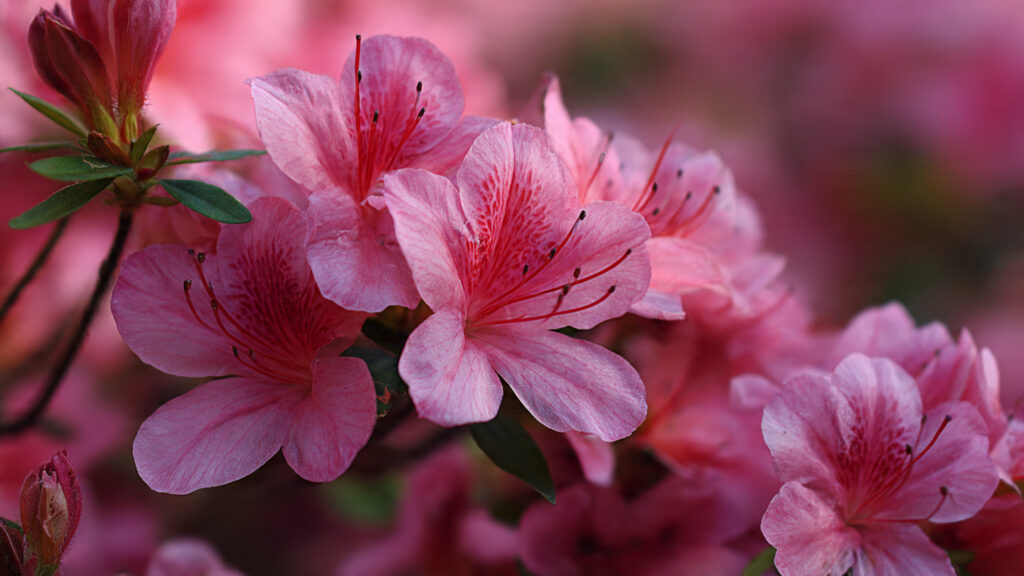
Azaleas are among the most beloved spring-flowering shrubs, celebrated for their vibrant blooms and lush foliage. Whether planted along garden borders or showcased in decorative containers, azaleas bring an explosion of color just when winter fades. So it can be alarming to notice your azalea shedding leaves in spring—the very season when it should look its best.
If your azaleas are dropping foliage, don’t panic. Leaf loss can result from several factors, ranging from natural seasonal cycles to environmental stress or disease. Understanding what causes azaleas to shed their leaves in spring will help you determine whether your plant is behaving normally or signaling a problem.
Understanding the Azalea: Evergreen vs. Deciduous
Before diagnosing leaf drop, it’s important to identify what type of azalea you have. Azaleas belong to the genus Rhododendron, and they fall into two main categories:
1. Evergreen Azaleas
These retain most of their leaves year-round. However, they do shed older foliage periodically, especially in spring when new growth begins.
2. Deciduous Azaleas
These naturally lose all their leaves in fall and regrow them in spring. If yours is deciduous and shedding old leaves as new buds emerge, this may be completely normal.
Knowing your azalea type helps you understand whether spring leaf drop is part of its life cycle or a warning sign.
Common Causes of Spring Leaf Drop
1. Natural Leaf Renewal
Even evergreen azaleas shed older leaves every year. These leaves often turn yellow or bronze before dropping. In spring, as fresh growth pushes out, the plant redirects energy, and older interior leaves fall away.
What to look for:
- Only older leaves dropping
- Healthy green new growth forming
- No signs of disease or damage
If this matches what you’re seeing, your azalea is simply renewing itself.
2. Temperature Fluctuations
Spring weather can be unpredictable. Sudden cold snaps after warm spells may shock your azalea, causing leaf drop. Azaleas are particularly sensitive to rapid changes in temperature.
Late frosts can damage tender new growth and cause leaves to wilt or fall prematurely.
Prevention tips:
- Mulch around the base to regulate soil temperature
- Cover plants during unexpected cold nights
- Avoid early fertilizing that encourages tender growth too soon
3. Water Stress (Too Much or Too Little)
Azaleas prefer consistently moist but well-drained soil. Both drought and overwatering can trigger leaf drop.
Underwatering
Dry soil causes leaves to droop, curl, and fall. Shallow root systems make azaleas vulnerable during dry spells.
Overwatering
Poor drainage leads to root rot, depriving roots of oxygen. Leaves may yellow and drop as roots struggle.
➡️ How to Grow Malabar Spinach from Cuttings for Fast, Easy Greens
➡️ How to Grow Super Delicious Cabbage at Home Without a Garden
➡️ How to Grow Bean Sprouts at Home in Plastic Bottles Easily (Step‑by‑Step Guide)
➡️ Why is Your Lemon Tree Blooming in the Heart of Winter?
➡️ Why Should Your Garden Have a Dedicated Pollinator Highway?
➡️ Why Do Your Fruit Trees Need a Winter Wash to Thrive in Spring?
➡️ How Can Rice Water Transform Your Fruits into Sweeter Delights?
➡️ Jumpstart Your Winter Garden: Seed Starting Under Lights
Solution:
- Check soil moisture regularly
- Improve drainage if water pools around roots
- Water deeply but infrequently
Maintaining balance is key. Azaleas dislike soggy soil just as much as dry soil.
4. Soil Problems
Azaleas thrive in acidic soil with a pH between 4.5 and 6.0. If the soil becomes too alkaline, nutrient deficiencies can occur, leading to yellowing and leaf drop.
Iron deficiency, in particular, causes leaves to turn pale with green veins (chlorosis) before falling.
What you can do:
- Test soil pH
- Apply soil acidifiers if necessary
- Use fertilizers formulated for acid-loving plants
Healthy soil creates a strong foundation for healthy foliage.
5. Fertilizer Issues
Too much fertilizer—especially high-nitrogen formulas—can stress azaleas. Overfeeding can cause root burn, leaf drop, and weak growth.
On the other hand, insufficient nutrients may lead to pale leaves and reduced vigor.
Best practice:
Feed lightly in early spring using a fertilizer designed for azaleas and other acid-loving plants. Avoid overapplication.
6. Pest Infestations
Certain insects feed on azalea leaves and roots, causing stress and defoliation.
Common culprits include:
- Lace bugs
- Spider mites
- Weevils
Lace bugs, for example, feed on the underside of leaves, causing stippled discoloration. Severe infestations can result in leaf drop.
Signs of pests:
- Speckled or bleached leaves
- Webbing (spider mites)
- Notched leaf edges (weevils)
Treat infestations promptly with insecticidal soap or neem oil.
7. Fungal Diseases
Fungal infections can weaken azaleas and lead to premature leaf loss.
Azalea Leaf Spot
Causes brown or black spots that expand and lead to leaf drop.
Root Rot
Often caused by waterlogged soil, root rot leads to yellowing leaves and eventual defoliation.
Good air circulation and proper watering are crucial for prevention.
8. Transplant Shock
If you recently planted or moved your azalea, it may be experiencing transplant shock. Disturbed roots struggle to absorb water efficiently, causing temporary leaf loss.
In most cases, the plant recovers with proper care and consistent moisture.
9. Sunlight Stress
Azaleas prefer partial shade. Too much direct afternoon sun can scorch leaves, leading to browning and drop.
If your plant is exposed to intense sunlight, consider providing shade during the hottest part of the day.
When Leaf Drop Signals a Serious Problem
While some leaf shedding is normal, excessive or sudden defoliation deserves attention. Warning signs include:
- Large numbers of leaves dropping at once
- Wilted stems
- Blackened roots
- Persistent yellowing without new growth
In these cases, investigate soil drainage, pests, or disease immediately.
How to Help Your Azalea Recover
If your azalea is shedding leaves this spring, follow these recovery steps:
1. Check Soil Moisture
Stick your finger 2–3 inches into the soil. Adjust watering accordingly.
2. Improve Drainage
Add organic matter such as compost or pine bark to enhance soil structure.
3. Apply Mulch
A 2–3 inch layer of mulch conserves moisture and regulates temperature.
4. Prune Carefully
Remove dead or diseased branches to redirect energy to healthy growth.
5. Monitor for Pests
Inspect leaves regularly and treat problems early.
With attentive care, most azaleas bounce back quickly.
Seasonal Leaf Drop vs. Disease: How to Tell the Difference
| Natural Leaf Drop | Problem-Related Leaf Drop |
|---|---|
| Gradual shedding | Sudden mass drop |
| Only older leaves | Both old and new leaves |
| Healthy new growth | Weak or no new growth |
| No discoloration patterns | Spots, holes, or yellowing |
Understanding these differences can save you unnecessary worry.
Patience Is Often the Best Remedy
Spring is a transitional season for plants. As azaleas shift from winter dormancy to active growth, some leaf loss can be expected. If the plant is producing healthy buds and vibrant blooms, minor shedding is usually nothing to fear.
However, if symptoms persist or worsen, early intervention can prevent long-term damage.
Final Thoughts
Azaleas are resilient shrubs, but they are sensitive to environmental changes. Leaf shedding in spring can result from natural renewal, temperature swings, watering issues, soil imbalances, pests, or disease.
The key is careful observation. By checking soil moisture, inspecting foliage, and ensuring proper growing conditions, you can determine whether your azalea’s leaf drop is normal or a call for help.
With proper care, your azalea will reward you with lush green foliage and dazzling spring blooms for years to come.