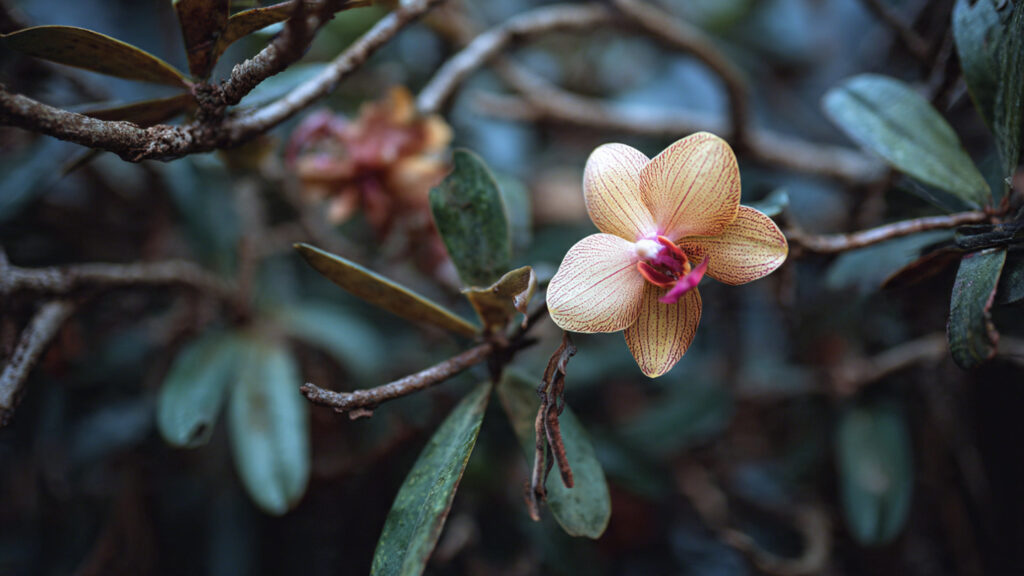
Orchids are famous for their exotic, long-lasting blooms. When you first bring one home, it may flower beautifully for weeks or even months. But after the blooms fall, many orchid owners experience a frustrating pattern: the plant keeps growing new leaves — healthy, glossy, green leaves — but no flowers ever return.
If your orchid looks vigorous yet refuses to bloom, don’t assume it’s unhappy. In fact, leaf production often means the plant is alive and actively growing. However, flowering requires very specific conditions. When even one of those conditions is missing, your orchid may focus solely on foliage.
Let’s explore the most common reasons orchids produce only leaves — and how to encourage those stunning blooms to return.
1. Insufficient Light (The Most Common Cause)
Light is the number one factor influencing orchid blooms.
Many popular houseplant orchids, especially Phalaenopsis, need bright, indirect light to trigger flowering. If placed in low-light corners or far from windows, they may survive but won’t bloom.
Signs of Low Light:
- Dark green leaves (instead of light or medium green)
- Long gaps between leaves
- No flower spikes for years
The Fix:
- Move the orchid to a bright east-facing window.
- Provide filtered south-facing light with sheer curtains.
- Avoid harsh direct midday sun.
Proper light alone can often trigger flowering within a season.
2. No Temperature Drop at Night
Many orchids need a difference between daytime and nighttime temperatures to initiate flower spikes.
For Phalaenopsis, a 10–15°F (5–8°C) drop at night helps signal blooming time.
Without this temperature shift, the plant may remain in vegetative (leaf-producing) mode.
The Fix:
- Place orchids near a slightly cooler window at night.
- Reduce nighttime heating in the room.
- Avoid placing near heating vents.
A natural temperature fluctuation mimics their tropical environment.
3. Over-Fertilizing with Nitrogen
Nitrogen promotes leafy growth. Too much nitrogen means lots of leaves — but few flowers.
If you’re using a general houseplant fertilizer frequently, your orchid may be receiving excessive nitrogen.
The Fix:
- Switch to a balanced orchid fertilizer (like 20-20-20) diluted to half strength.
- Fertilize every 2–4 weeks during active growth.
- Flush the pot monthly with plain water to remove salt buildup.
Balanced feeding encourages both foliage and blooms.
4. Improper Watering
Orchids don’t grow in soil in the wild. Many are epiphytes, meaning they attach to trees and absorb moisture through roots exposed to air.
Overwatering suffocates roots. Underwatering weakens the plant.
➡️ How to Grow Malabar Spinach from Cuttings for Fast, Easy Greens
➡️ How to Grow Super Delicious Cabbage at Home Without a Garden
➡️ How to Grow Bean Sprouts at Home in Plastic Bottles Easily (Step‑by‑Step Guide)
➡️ Why is Your Lemon Tree Blooming in the Heart of Winter?
➡️ Why Should Your Garden Have a Dedicated Pollinator Highway?
➡️ Why Do Your Fruit Trees Need a Winter Wash to Thrive in Spring?
➡️ How Can Rice Water Transform Your Fruits into Sweeter Delights?
➡️ Jumpstart Your Winter Garden: Seed Starting Under Lights
When roots are stressed, flowering is delayed.
Signs of Watering Issues:
- Mushy roots (overwatering)
- Shriveled roots (underwatering)
- Yellow leaves
The Fix:
- Water only when the potting mix is nearly dry.
- Ensure pots have drainage holes.
- Use orchid bark mix instead of standard potting soil.
Healthy roots are essential for bloom production.
5. The Orchid Is Still Immature
Young orchids may produce leaves for several years before they are mature enough to flower.
If you purchased a small plant or recently propagated one, patience may be the only solution.
Signs of Maturity:
- At least 4–6 strong leaves
- Robust root system
- Stable, consistent growth
Once mature, flowering becomes more regular.
6. Potting Mix Breakdown
Over time, orchid bark breaks down and becomes compacted. This reduces airflow to the roots.
Poor airflow = stressed roots = no blooms.
The Fix:
- Repot every 1–2 years.
- Use fresh orchid bark or a specialized orchid mix.
- Trim dead or rotting roots during repotting.
Repotting often revitalizes bloom cycles.
7. Lack of a Rest Period
Some orchids need a rest phase after blooming.
For example, Dendrobium nobile requires a cool, dry rest period to initiate buds. Without it, the plant may continue growing leaves only.
Similarly, Cattleya benefits from seasonal adjustments in light and water.
The Fix:
- Research your specific orchid type.
- Reduce watering slightly after flowering.
- Provide cooler temperatures if required.
Understanding species-specific needs is crucial.
8. Not Enough Humidity
Orchids prefer moderate to high humidity (40–70%).
In dry indoor environments, especially during winter heating, low humidity can suppress flowering.
The Fix:
- Use a humidity tray with pebbles and water.
- Group plants together to create a microclimate.
- Use a room humidifier if needed.
Humidity supports bud development.
9. The Flower Spike Was Cut Too Early
After blooms fade, many people cut the flower spike entirely.
For Phalaenopsis, if the spike remains green, it can sometimes produce secondary blooms from nodes.
Cutting too low removes that possibility.
The Fix:
- If the spike is green, trim just above a node.
- If it turns brown, remove it fully.
Learning proper post-bloom pruning helps maximize flowering potential.
10. Stress from Relocation
Orchids dislike frequent movement. Changes in light, temperature, or airflow can delay blooming.
If you move your orchid often — from windowsill to table to different rooms — it may remain in survival mode rather than bloom mode.
The Fix:
- Choose one suitable location.
- Keep conditions stable.
- Avoid drafts and sudden temperature changes.
Consistency is key.
How to Trigger Flowering Again
If your orchid has been leaf-only for a while, follow this reset strategy:
- Move it to bright, indirect light.
- Ensure a nighttime temperature drop.
- Repot if the medium is old.
- Fertilize lightly with balanced formula.
- Maintain consistent watering.
- Increase humidity slightly.
Within a few months, you should notice a new spike emerging from the base between leaves.
What a Flower Spike Looks Like
A flower spike is different from a root.
- Roots are round with green tips.
- Spikes are flatter and grow upward with small bracts.
Watching closely helps you identify early bloom signals.
Patience Is Part of Orchid Care
Unlike many houseplants, orchids operate on seasonal cycles. Some bloom once per year; others bloom multiple times under ideal conditions.
Leaf growth is not failure — it’s preparation. A healthy orchid builds energy through foliage before committing to flowers.
Final Thoughts
If your orchid produces only leaves, it’s not refusing to bloom out of spite. It’s responding to its environment. Most often, the issue is light, temperature variation, or root health.
By adjusting conditions thoughtfully and consistently, you can guide your orchid back into bloom. Whether you’re caring for a graceful Phalaenopsis, a fragrant Cattleya, or a seasonal Dendrobium nobile, the principles remain the same: balance light, water, temperature, and patience.