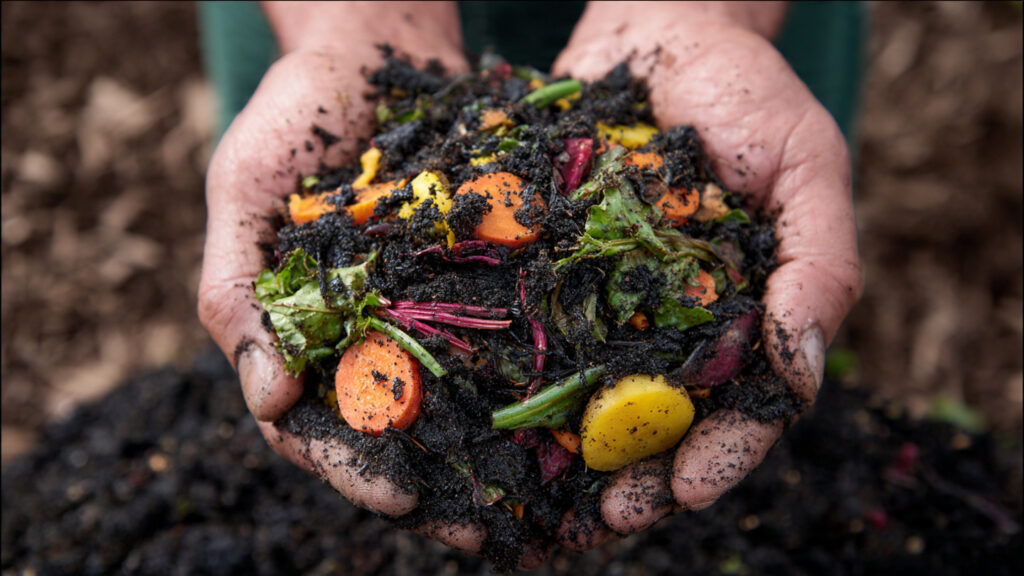
Compost is often called “black gold” by gardeners—and for good reason. It’s rich in nutrients, improves soil structure, and supports beneficial microbes. So it might seem logical to assume that if compost is good for plants, then 100 percent pure compost must be even better.
But what really happens when you grow vegetables in pure compost with no added soil? Will your plants thrive—or struggle?
The answer is more nuanced than many gardeners expect. While compost is incredibly valuable, using it alone as a growing medium can create both surprising benefits and unexpected problems. Let’s explore what happens when vegetables are grown in 100 percent pure compost and whether it’s a good idea.
First, What Is Compost Exactly?
Compost is decomposed organic matter made from kitchen scraps, yard waste, manure, leaves, and other biodegradable materials. Through microbial breakdown, these materials transform into a dark, crumbly substance rich in organic nutrients and life.
High-quality finished compost typically contains:
- Nitrogen
- Phosphorus
- Potassium
- Micronutrients
- Beneficial bacteria and fungi
- Organic matter that improves soil structure
It’s not technically soil—it’s a soil amendment.
And that distinction matters.
The Immediate Benefits of Pure Compost
If you plant vegetables in 100 percent compost, you’ll likely see strong early growth.
1. Rapid Seedling Development
Compost is nutrient-rich, especially in nitrogen. Seedlings planted in pure compost often grow quickly at first because nutrients are readily available.
Leaves may appear deep green, stems may grow quickly, and plants may look vigorous.
2. Excellent Moisture Retention
Compost holds water well. This can be beneficial in dry climates or container gardens, as plants may require less frequent watering.
3. Strong Microbial Activity
Pure compost is alive with beneficial microorganisms that help break down organic matter and make nutrients accessible to plants.
In the short term, everything can look ideal.
The Hidden Problems of Growing in Pure Compost
However, as the growing season progresses, several issues may arise.
1. Nutrient Imbalance
While compost contains nutrients, it is not perfectly balanced. The exact nutrient levels vary depending on materials used to create it.
➡️ How to Grow Malabar Spinach from Cuttings for Fast, Easy Greens
➡️ How to Grow Super Delicious Cabbage at Home Without a Garden
➡️ How to Grow Bean Sprouts at Home in Plastic Bottles Easily (Step‑by‑Step Guide)
➡️ Why is Your Lemon Tree Blooming in the Heart of Winter?
➡️ Why Should Your Garden Have a Dedicated Pollinator Highway?
➡️ Why Do Your Fruit Trees Need a Winter Wash to Thrive in Spring?
➡️ How Can Rice Water Transform Your Fruits into Sweeter Delights?
➡️ Jumpstart Your Winter Garden: Seed Starting Under Lights
Growing vegetables in 100 percent compost can lead to:
- Excess nitrogen
- Inconsistent phosphorus or potassium levels
- Micronutrient imbalances
Too much nitrogen can produce lush leafy growth but reduce fruiting in crops like tomatoes and peppers.
Plants may look beautiful but produce fewer vegetables.
2. Poor Structural Stability
Unlike mineral soil, compost continues to decompose over time.
As it breaks down further:
- It compacts
- Air pockets decrease
- Drainage patterns change
Vegetable roots need both moisture and oxygen. If compost becomes too dense, roots may suffocate.
Soil typically contains sand, silt, and clay particles that provide long-term structure. Compost alone lacks that mineral framework.
3. Overheating Risk
In some cases, compost that hasn’t fully matured may still be biologically active. If planted directly into partially finished compost, heat from ongoing decomposition can damage roots.
Fully cured compost is safer, but not all compost piles are truly finished when used.
4. Water Drainage Issues
While compost holds moisture well, too much water retention can become a problem.
In containers especially, pure compost may:
- Stay too wet
- Drain poorly
- Encourage root rot
Vegetables like tomatoes, cucumbers, and squash need consistent moisture—but not soggy conditions.
5. pH Fluctuations
Compost pH varies depending on ingredients. Some compost is slightly alkaline; some leans acidic.
Using it alone may shift soil pH outside optimal ranges for certain crops. Without mineral soil to buffer changes, plants may experience nutrient lockout.
Crop-Specific Outcomes
Different vegetables respond differently to pure compost.
Leafy Greens
Lettuce, spinach, and kale may perform relatively well in compost-rich environments. They benefit from nitrogen and grow quickly.
However, they may still suffer if compost becomes compacted or waterlogged.
Root Vegetables
Carrots, radishes, and beets may struggle.
Root crops need loose but stable soil structure to develop straight roots. Pure compost can be too fluffy initially and too compact later.
Misshapen or stunted roots are common when structure isn’t balanced.
Fruiting Crops
Tomatoes, peppers, and eggplants often grow large foliage in compost-heavy mixes but may produce fewer fruits due to excess nitrogen.
Fruit set depends on balanced nutrition, not just vigorous leaf growth.
Why Soil and Compost Work Better Together
Garden soil provides mineral particles that:
- Improve drainage
- Add weight and stability
- Buffer nutrient fluctuations
- Maintain long-term structure
Compost improves soil by:
- Increasing organic matter
- Enhancing microbial life
- Boosting fertility
Together, they create a balanced growing environment.
Most gardening experts recommend compost make up about 20–40 percent of the growing mix, not 100 percent.
The Container Gardening Exception
In raised beds and containers, pure compost might work better than in-ground planting—especially if the compost is high quality and well-aged.
However, even in containers, blending compost with materials like:
- Coco coir
- Peat moss
- Perlite
- Garden soil
Creates better aeration and structure.
Commercial potting mixes typically contain organic matter plus structural components for this reason.
Long-Term Soil Health Concerns
Another issue with using 100 percent compost is long-term nutrient depletion.
Compost provides nutrients, but plants extract them continuously. Without mineral soil or additional amendments, nutrients may eventually become imbalanced.
Additionally, compost continues breaking down, reducing volume over time.
You may notice raised beds “shrinking” as compost settles.
When Pure Compost Can Work
There are specific situations where growing in pure compost can succeed:
- Short-term crops like microgreens
- Temporary grow bags
- Well-cured, screened compost
- Systems with careful watering management
Some no-dig gardeners apply thick compost layers annually, but even in these systems, compost sits atop existing soil rather than replacing it entirely.
Signs Your Plants Are Struggling in Pure Compost
Watch for:
- Excessively leafy growth but poor fruiting
- Yellowing despite high nutrient levels
- Wilting in wet soil
- Compacted surface
- Slow root development
These signs suggest imbalance rather than nutrient deficiency.
A Better Approach
Instead of using 100 percent compost, consider this balanced method:
- Mix compost with garden soil in a 1:1 ratio.
- Add sand or perlite for drainage if needed.
- Top-dress annually with fresh compost rather than replacing soil.
This approach provides nutrients while preserving structure.
The Real Lesson
Compost is powerful—but more isn’t always better.
Think of compost as a supplement rather than the entire meal. It enhances soil but doesn’t replace the need for mineral structure and balance.
Vegetables evolved to grow in complex soil ecosystems—not pure organic matter alone.
Final Thoughts
Growing vegetables in 100 percent pure compost may produce impressive early growth, but over time, structural instability, nutrient imbalance, and drainage issues often appear.
While compost is essential for healthy soil, it works best as part of a balanced system. Combining compost with mineral soil creates an environment that supports both vigorous growth and strong root development.
In gardening, balance matters more than abundance. And when it comes to compost, the key isn’t using more—it’s using it wisely.