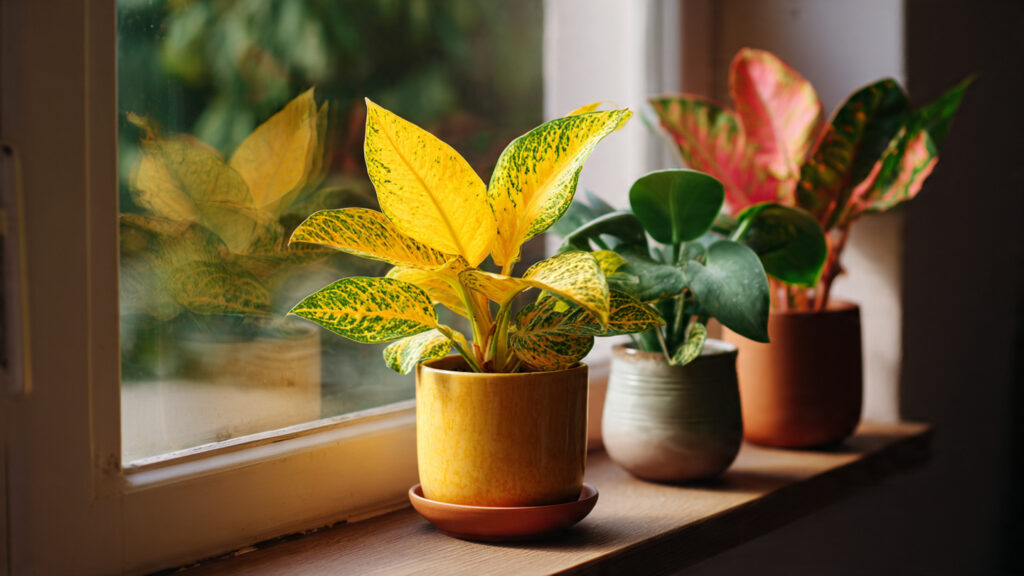
Indoor plants bring life, color, and a sense of calm to any home or office. However, a common problem many plant owners face is yellowing leaves—a warning sign that something in your plant care routine is off. While some causes like overwatering or nutrient deficiencies are well-known, there are surprising factors that can trigger yellow leaves, leaving even experienced plant enthusiasts scratching their heads.
In this article, we’ll explore the most common and unexpected reasons your indoor plants are turning yellow, how to identify the underlying issues, and practical solutions to bring your plants back to vibrant health.
Understanding Leaf Yellowing in Indoor Plants
Yellow leaves, also called chlorosis, occur when plants are unable to produce enough chlorophyll. Chlorophyll gives leaves their green color and is crucial for photosynthesis—the process plants use to turn light into energy. When leaves yellow, it’s a signal that something is disrupting this vital process.
Symptoms can vary:
- Uniform yellowing across older or newer leaves
- Yellow spots or patches
- Leaves drooping, curling, or falling off
Identifying whether yellowing is normal (like older leaves naturally dying off) or a sign of stress is the first step in solving the problem.
The Usual Suspects: Common Causes of Yellow Leaves
Before exploring the unexpected reasons, it’s important to review the typical causes:
1. Overwatering
- One of the most common mistakes in indoor gardening.
- Roots need oxygen to function; excessive water drowns them, leading to root rot.
- Leaves usually yellow starting from the bottom and may feel soft or limp.
2. Underwatering
- Lack of water stresses the plant, causing yellowing and dry, crispy leaves.
- Leaves may curl or develop brown edges as well.
3. Nutrient Deficiency
- Plants need nitrogen, iron, magnesium, and other nutrients to thrive.
- Nitrogen deficiency often causes older leaves to yellow first.
- Iron deficiency typically shows as yellowing between leaf veins, leaving veins green.
4. Improper Lighting
- Too much sunlight can scorch leaves, causing yellow or brown patches.
- Too little light slows photosynthesis, leading to pale or yellowing leaves.
5. Pests and Diseases
- Spider mites, aphids, and scale insects can sap nutrients, leading to yellowing.
- Fungal or bacterial infections can cause spots and widespread chlorosis.
While these causes are widely recognized, sometimes the reason behind yellow leaves is more surprising.
The Unexpected Reason Behind Yellow Leaves: Hard Water and Mineral Buildup
Many indoor plant owners don’t realize that the water they use can dramatically affect plant health. Hard water—water containing high levels of calcium, magnesium, or other minerals—can create an invisible problem that leads to yellowing leaves over time.
How Hard Water Affects Plants
- Mineral buildup: Over time, salts from hard water accumulate in the soil. This changes the soil structure, reduces aeration, and makes it difficult for roots to absorb nutrients.
- Nutrient lockout: Excess calcium or magnesium interferes with the uptake of iron and other micronutrients, leading to yellowing between leaf veins.
- pH imbalance: Hard water can increase soil pH, making certain nutrients less available to plants.
Signs Your Plant Is Suffering from Hard Water
- Leaf tips and edges turn yellow or brown.
- Yellowing is more noticeable on new growth.
- White crust or residue on the soil surface or pot rims.
Example: Fiddle leaf figs, peace lilies, and spider plants are particularly sensitive to mineral buildup. Even regular watering with tap water can gradually cause yellow leaves.
How to Solve Hard Water-Related Yellowing
The good news is that yellow leaves caused by mineral buildup are reversible. Here’s what to do:
1. Flush the Soil
- Remove the plant from its pot if possible.
- Gently rinse the soil or use a watering method to flush out excess minerals.
- Ensure proper drainage so salts don’t accumulate again.
2. Use Filtered or Rainwater
- Switch to distilled water, rainwater, or filtered water for sensitive plants.
- Avoid tap water with high mineral content if you notice recurring yellowing.
3. Adjust Fertilization
- Over-fertilizing can worsen yellowing by adding more salts to the soil.
- Use balanced fertilizers in moderation and follow manufacturer instructions.
4. Repot When Necessary
- If mineral buildup is severe, repotting with fresh soil can revive plant health.
- Choose well-draining soil mixes appropriate for your plant species.
Other Less Obvious Causes of Yellow Leaves
While hard water is a surprisingly common cause, several other subtle factors can trigger leaf yellowing:
1. Root Bound Plants
- When a plant outgrows its pot, roots become crowded.
- Restricted roots can’t absorb enough water or nutrients, causing yellow leaves.
- Solution: Repot into a slightly larger container with fresh soil.
2. Temperature Stress
- Indoor plants thrive within specific temperature ranges.
- Drafts, heaters, or air conditioners can stress plants, leading to yellowing leaves.
- Keep plants away from sudden temperature changes.
3. Chemical Exposure
- Cleaning products, sprays, or fumigation chemicals can harm indoor plants.
- Some plants are sensitive to household chemicals like ammonia or bleach.
- Solution: Keep plants away from chemical exposure and rinse leaves if contact occurs.
4. Natural Aging
- Older leaves naturally yellow and die as part of the growth cycle.
- If yellowing occurs at the bottom of the plant and only involves older leaves, it may be normal.
How to Diagnose Yellow Leaves Correctly
To treat yellowing leaves effectively, you need to identify the cause:
- Inspect roots – Check for rot or crowding. Healthy roots are white and firm.
- Check soil moisture – Use a moisture meter or finger test to determine if you’re over or underwatering.
- Look for pests – Examine leaves for webbing, sticky residue, or small insects.
- Assess water quality – Consider using filtered water if you suspect hard water issues.
- Review light and placement – Ensure your plant is receiving adequate light without scorching.
Preventing Yellow Leaves in Indoor Plants
Prevention is always better than cure. Implement these practices to keep your indoor plants vibrant:
- Water appropriately for each plant species.
- Use filtered or distilled water when possible.
- Repot every 1–2 years to prevent root crowding and salt buildup.
- Fertilize moderately and according to plant needs.
- Monitor for pests and treat infestations promptly.
- Ensure plants receive the right amount of sunlight.
Regular observation is key. Catching yellow leaves early makes treatment easier and more effective.
Final Thoughts
Yellow leaves on indoor plants are often a symptom of something that can be corrected. While overwatering, nutrient deficiencies, and light issues are common culprits, the unexpected reason of hard water and mineral buildup is surprisingly widespread. Understanding this hidden factor can save your plants and restore their lush, green vibrancy.
➡️ How to Grow Malabar Spinach from Cuttings for Fast, Easy Greens
➡️ How to Grow Super Delicious Cabbage at Home Without a Garden
➡️ How to Grow Bean Sprouts at Home in Plastic Bottles Easily (Step‑by‑Step Guide)
➡️ Why is Your Lemon Tree Blooming in the Heart of Winter?
➡️ Why Should Your Garden Have a Dedicated Pollinator Highway?
➡️ Why Do Your Fruit Trees Need a Winter Wash to Thrive in Spring?
➡️ How Can Rice Water Transform Your Fruits into Sweeter Delights?
➡️ Jumpstart Your Winter Garden: Seed Starting Under Lights
By diagnosing the underlying cause, adjusting your watering habits, repotting when needed, and providing optimal care, your indoor plants can recover quickly. A little attention and care can turn yellow leaves into a learning opportunity, helping you become a more informed and successful indoor gardener.
Your plants don’t just need water and sunlight—they need a nurturing environment free from hidden stresses. With proper care, observation, and occasional adjustments, yellow leaves can become a thing of the past, and your indoor garden will thrive like never before.