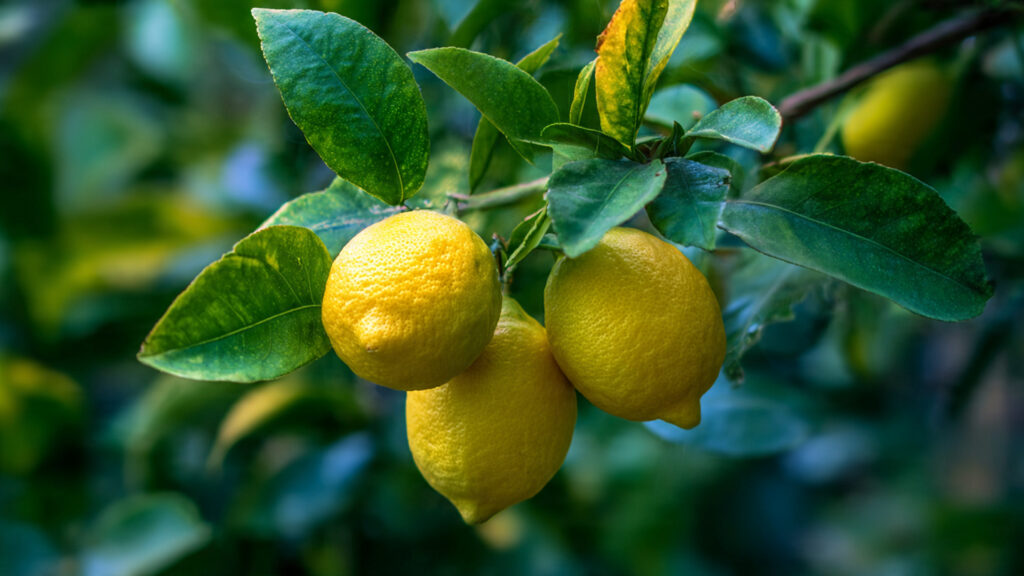
Few things are more discouraging to a gardener than walking outside to admire a thriving lemon tree—only to notice its once glossy green leaves turning pale or bright yellow. Whether you’re growing your lemon tree in the ground or in a container on a sunny patio, yellowing leaves are a clear signal that something is wrong.
The good news? In most cases, yellow leaves are your lemon tree’s way of communicating a correctable problem. By understanding the common causes, you can quickly restore your tree’s health and enjoy vibrant foliage—and juicy lemons—once again.
Understanding Lemon Tree Leaf Yellowing (Chlorosis)
When lemon tree leaves turn yellow, the condition is called chlorosis. Chlorosis happens when leaves lose chlorophyll, the pigment responsible for their green color and ability to photosynthesize. Without adequate chlorophyll, your tree cannot produce the energy it needs for growth and fruit production.
Yellowing may appear in different patterns:
- Entire leaf turns yellow
- Yellowing between green veins
- Yellow edges with green centers
- Yellowing accompanied by leaf drop
Each pattern offers clues about the underlying cause.
1. Overwatering: The Most Common Cause
One of the leading causes of yellow leaves in lemon trees is overwatering.
Lemon trees prefer moist but well-draining soil. When roots sit in waterlogged soil, they cannot access oxygen. This leads to root stress or even root rot, which prevents proper nutrient absorption.
Signs of Overwatering:
- Uniform yellowing of older leaves
- Soft, soggy soil
- Foul smell from the pot
- Leaf drop
- Wilting despite wet soil
How to Fix It:
- Allow the top 2–3 inches of soil to dry before watering again.
- Ensure pots have proper drainage holes.
- Improve garden soil with compost and coarse sand for better drainage.
- Reduce watering frequency during cooler seasons.
A simple rule: It’s better to underwater slightly than to overwater citrus trees.
2. Underwatering and Drought Stress
While overwatering is common, underwatering can also cause yellow leaves.
When lemon trees don’t receive enough moisture, they conserve energy by shedding leaves. Yellowing may start at the tips or edges before leaves fall off.
Signs of Underwatering:
- Dry, crumbly soil
- Curling leaves
- Crispy leaf edges
- Small fruit dropping prematurely
Solution:
- Water deeply but less frequently.
- In hot climates, check container plants daily.
- Apply mulch around outdoor trees to retain moisture.
Consistency is key—avoid extreme swings between soaking and drought.
3. Nitrogen Deficiency
Nitrogen is essential for leafy growth and overall plant vigor. A nitrogen deficiency typically causes older leaves to turn pale yellow while newer growth remains green.
This happens because nitrogen is mobile in plants. When supplies are low, the tree redirects nitrogen to new growth.
Symptoms:
- Yellowing of older, lower leaves first
- Slower growth
- Smaller leaves
Fix:
Feed your lemon tree with a balanced citrus fertilizer high in nitrogen. Organic options such as composted manure or fish emulsion can also help.
Regular feeding during the growing season (spring through early autumn) prevents this issue.
➡️ How to Grow Malabar Spinach from Cuttings for Fast, Easy Greens
➡️ How to Grow Super Delicious Cabbage at Home Without a Garden
➡️ How to Grow Bean Sprouts at Home in Plastic Bottles Easily (Step‑by‑Step Guide)
➡️ Why is Your Lemon Tree Blooming in the Heart of Winter?
➡️ Why Should Your Garden Have a Dedicated Pollinator Highway?
➡️ Why Do Your Fruit Trees Need a Winter Wash to Thrive in Spring?
➡️ How Can Rice Water Transform Your Fruits into Sweeter Delights?
➡️ Jumpstart Your Winter Garden: Seed Starting Under Lights
4. Iron Deficiency (Interveinal Chlorosis)
Iron deficiency is especially common in alkaline soils. It causes a distinctive pattern: the leaf turns yellow while the veins remain green.
Young leaves are typically affected first.
Causes:
- High soil pH (above 7)
- Poor drainage
- Root damage
Treatment:
- Apply chelated iron as a soil drench or foliar spray.
- Lower soil pH with sulfur if needed.
- Ensure proper drainage to protect roots.
Iron deficiency is often mistaken for nitrogen deficiency, but the vein pattern helps distinguish it.
5. Magnesium Deficiency
Magnesium deficiency also causes interveinal yellowing but typically affects older leaves first. The center may remain green while the edges turn yellow.
A simple home remedy? Dissolve Epsom salt (magnesium sulfate) in water and apply around the root zone.
Use about one tablespoon per gallon of water and repeat monthly if needed.
6. Poor Soil Drainage and Root Problems
Healthy roots equal healthy leaves. Compacted soil, heavy clay, or containers without drainage can suffocate roots and prevent nutrient absorption.
When roots struggle, leaves yellow and drop.
What to Do:
- Repot container trees every 2–3 years.
- Use a citrus-specific potting mix.
- Avoid planting lemon trees in low-lying areas where water accumulates.
If root rot is suspected, remove the plant, trim damaged roots, and replant in fresh soil.
7. Pests That Cause Yellow Leaves
Certain pests suck sap from leaves, leading to yellowing.
Common citrus pests include:
- Aphids
- Spider mites
- Whiteflies
- Scale insects
You may notice sticky residue (honeydew) or fine webbing.
Control Methods:
- Spray leaves with a strong stream of water.
- Use neem oil or insecticidal soap.
- Encourage beneficial insects like ladybugs.
Regular inspection prevents infestations from becoming severe.
8. Seasonal Changes and Natural Leaf Drop
Lemon trees naturally shed older leaves as part of their growth cycle. If only a few older leaves turn yellow and drop occasionally, this may be normal.
However, heavy or sudden yellowing usually signals stress.
9. Temperature Stress
Lemon trees thrive in warm climates. Sudden cold snaps or extreme heat can shock the tree.
Cold damage often causes leaves to yellow, curl, and fall. Container plants are particularly vulnerable.
Protection Tips:
- Move potted trees indoors during cold weather.
- Use frost cloths for outdoor trees.
- Avoid placing trees near cold drafts.
Heat stress can also cause yellowing if the plant dries out too quickly.
10. Transplant Shock
If you recently repotted or planted your lemon tree in the ground, temporary yellowing may occur.
Disturbed roots need time to re-establish. Keep watering consistent and avoid fertilizing heavily until new growth appears.
How to Diagnose the Real Cause
To correctly identify why your lemon tree leaves are turning yellow, ask yourself:
- How often am I watering?
- Does the soil drain well?
- When did I last fertilize?
- Is yellowing affecting old or new leaves?
- Are there visible pests?
- Has the weather changed suddenly?
Observing patterns helps you avoid misdiagnosis.
Preventing Yellow Leaves in the Future
Prevention is easier than correction. Follow these long-term care tips:
✔ Use Well-Draining Soil
Citrus trees dislike heavy soil. Improve texture with compost and perlite.
✔ Fertilize Regularly
Use a citrus-specific fertilizer containing nitrogen, magnesium, and micronutrients.
✔ Monitor Soil pH
Lemon trees prefer slightly acidic soil (pH 6.0–7.0).
✔ Water Smartly
Deep watering is better than frequent shallow watering.
✔ Inspect for Pests Weekly
Early detection keeps plants healthier.
When to Worry
Seek professional help if:
- Yellowing spreads rapidly.
- Leaves drop excessively.
- Branches begin dying back.
- Fruit production stops completely.
In rare cases, diseases such as citrus greening can cause yellowing, but nutrient and watering issues are far more common in home gardens.
Final Thoughts
Yellow leaves on your lemon tree are not a death sentence—they are a warning sign. Whether caused by watering mistakes, nutrient deficiencies, pests, or environmental stress, most issues are easily corrected with careful observation and proper care.
By learning to read your tree’s signals and responding quickly, you’ll restore lush green growth and ensure a steady supply of fragrant blossoms and vibrant lemons.