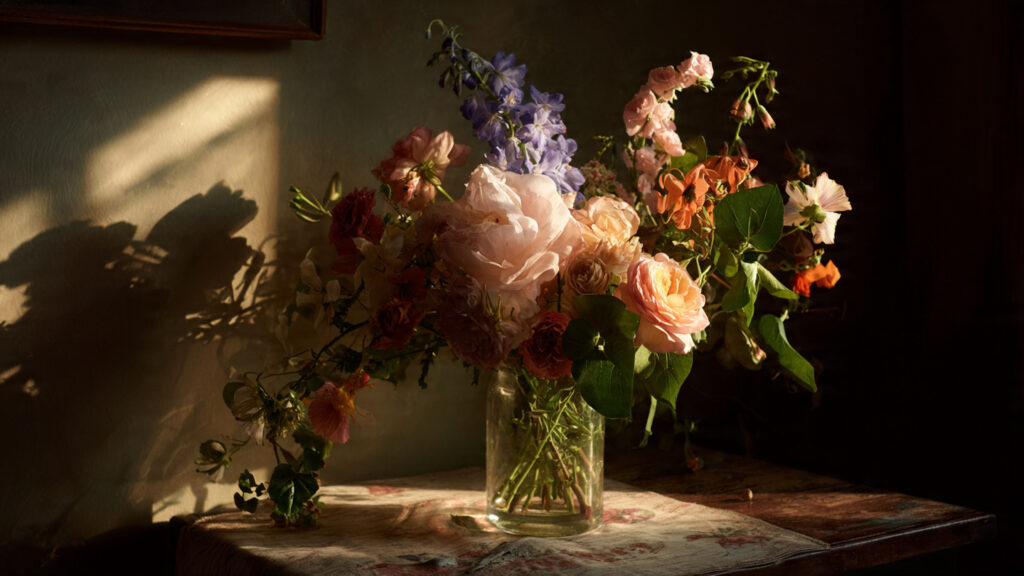
Whether you are a passionate gardener or simply enjoy arranging fresh flowers at home, knowing the best time of day to cut flowers can make all the difference. Flowers are delicate living organisms, and when cut at the optimal time, they last longer, retain their beauty, and provide a more vibrant, fragrant bouquet. In this guide, we’ll explore the science, practical tips, and best practices to ensure your flower arrangements stay fresh and stunning.
Why Timing Matters When Cutting Flowers
Cutting flowers isn’t just about snipping stems; it’s about capturing them at their peak. The time of day when you cut flowers affects:
- Water content: Flowers store the most water during certain times of the day, which helps them stay hydrated after cutting.
- Longevity: Proper timing can extend the vase life of your flowers by several days.
- Color and fragrance: Flowers often display their most vivid colors and strongest fragrance at specific times.
- Stress reduction: Plants experience less stress when cut during cooler periods, keeping the stems and blooms healthy.
Understanding these factors ensures your bouquet looks fresh, fragrant, and full of life for as long as possible.
The Ideal Time: Early Morning
The early morning is widely regarded as the best time to cut flowers for a bouquet. Here’s why:
- High water content: Overnight, flowers absorb water from the soil, so their stems are fully hydrated in the morning. This helps prevent wilting after cutting.
- Cool temperatures: Morning temperatures are generally cooler, reducing stress on delicate blooms.
- Longer vase life: Flowers harvested in the morning tend to stay fresher for longer because they start the day with peak hydration.
- Brilliant colors: Early sunlight enhances the natural hues of flowers without fading them.
Morning harvesting is especially important for roses, lilies, dahlias, and tulips, which are sensitive to heat and dehydration.
Afternoon Cutting: When It’s Less Ideal
Cutting flowers in the afternoon is generally not recommended. By this time:
- Heat stress: The sun and warmer temperatures cause water loss in the stems and petals.
- Wilting risk: Flowers may appear droopy and require more effort to revive in water.
- Weaker fragrance: Many blooms release their essential oils in the early morning, meaning afternoon flowers may have a less vibrant scent.
However, if morning harvesting isn’t possible, late afternoon or early evening—when the sun begins to cool—can be a second option, particularly in very hot climates.
Evening Cutting: Pros and Cons
Some gardeners cut flowers in the evening, especially in regions with hot days. The cooler evening air can reduce stress, but there are considerations:
- Pros: Cooler temperatures prevent immediate wilting. Evening-harvested flowers are often easier to handle after a hot day.
- Cons: Water content may be lower than in the morning, which could slightly reduce vase life. Additionally, some flowers close at night, making it harder to see the quality of the bloom.
Evening harvesting works best for hardy plants like sunflowers, zinnias, and cosmos, but delicate blooms like peonies and gardenias still benefit more from morning cutting.
Step-by-Step Guide to Cutting Flowers
- Choose the right flowers: Pick flowers that are in the early stages of bloom. Fully open flowers may have a shorter vase life.
- Use clean, sharp tools: Always use clean scissors or garden shears to prevent crushing stems or spreading disease.
- Cut at an angle: Snipping stems at a 45-degree angle increases the surface area for water absorption.
- Trim leaves below water line: Remove leaves that would be submerged in water to prevent bacterial growth.
- Immediate hydration: Place flowers in a vase of fresh water immediately after cutting.
Following these steps ensures your flowers remain hydrated, healthy, and ready for display.
Flower-Specific Timing Tips
Different flowers have slightly different optimal cutting times. Here’s a quick guide:
- Roses: Cut early in the morning when buds are firm but starting to show color.
- Tulips: Morning is best; avoid afternoon heat which can cause bending.
- Lilies: Cut just before buds open fully to enjoy a longer blooming period indoors.
- Sunflowers: Harvest when the petals just begin to show color, preferably in the morning.
- Peonies: Early morning is ideal, but mid-bloom peonies can still be cut if carefully hydrated.
Additional Tips to Maximize Bouquet Longevity
Even after cutting at the right time, proper handling is key to keeping flowers fresh:
- Clean vase and water: Use fresh, clean water and wash the vase thoroughly before arranging.
- Flower food: Add a commercial flower preservative or make a DIY solution with sugar, lemon, and a small amount of bleach to nourish the flowers and prevent bacteria.
- Re-cut stems: Trim 1–2 inches of the stem every 2–3 days to maintain water absorption.
- Avoid direct sunlight and heat: Place bouquets in a cool area away from heaters, radiators, and direct sunlight.
- Mist delicate petals: Lightly spraying flowers with water can help keep petals hydrated.
The Science Behind Morning Harvest
Morning is the ideal time for flower cutting due to the plant’s natural circadian rhythms:
- Water pressure: Plants maintain higher turgor pressure in the morning, making stems firm and less likely to collapse.
- Photosynthesis and sugar content: During the night, plants store energy and water, allowing blooms to open fully in the morning.
- Fragrance release: Essential oils, which give flowers their signature scent, are often strongest in the early hours.
By harvesting in sync with these natural rhythms, you are effectively giving your bouquet a head start on a long, vibrant life indoors.
Common Mistakes to Avoid
Even with the right timing, some mistakes can shorten flower lifespan:
➡️ How to Grow Malabar Spinach from Cuttings for Fast, Easy Greens
➡️ How to Grow Super Delicious Cabbage at Home Without a Garden
➡️ How to Grow Bean Sprouts at Home in Plastic Bottles Easily (Step‑by‑Step Guide)
➡️ Why is Your Lemon Tree Blooming in the Heart of Winter?
➡️ Why Should Your Garden Have a Dedicated Pollinator Highway?
➡️ Why Do Your Fruit Trees Need a Winter Wash to Thrive in Spring?
➡️ How Can Rice Water Transform Your Fruits into Sweeter Delights?
➡️ Jumpstart Your Winter Garden: Seed Starting Under Lights
- Cutting during midday heat: Leads to immediate wilting.
- Cutting diseased or damaged flowers: Will shorten the vase life of the bouquet.
- Overcrowding in vase: Prevents airflow and encourages bacterial growth.
- Ignoring water changes: Stale water promotes stem blockage and wilting.
Being mindful of these pitfalls ensures your carefully harvested flowers remain beautiful for longer.
DIY Flower Preservation Tricks
For extra longevity, try these simple techniques:
- Refrigeration: Store freshly cut flowers in the fridge for a few hours before arranging.
- Aspirin or vinegar: Add crushed aspirin or a tablespoon of vinegar to the vase to keep bacteria at bay.
- Honey-water solution: Mix a teaspoon of honey in a vase of water to nourish flowers.
These tricks, combined with proper cutting time, can make your bouquet last up to a week longer.
Conclusion
The secret to a stunning, long-lasting bouquet lies not only in the flowers themselves but also in when and how you cut them. Early morning harvesting is ideal because flowers are fully hydrated, firm, and bursting with color and fragrance. Afternoon and evening cuts can work in certain conditions, but morning remains the gold standard for almost all flowers.
By following the steps outlined in this guide—from choosing the right flowers and cutting tools to handling and arranging your blooms—you can ensure that every bouquet you create is vibrant, fragrant, and long-lasting. Whether you are cutting roses, tulips, sunflowers, or balsam flowers, timing and care make all the difference.
So, next time you step into your garden or visit a flower patch, remember: the early bird doesn’t just catch the worm—it catches the freshest, most beautiful flowers too.