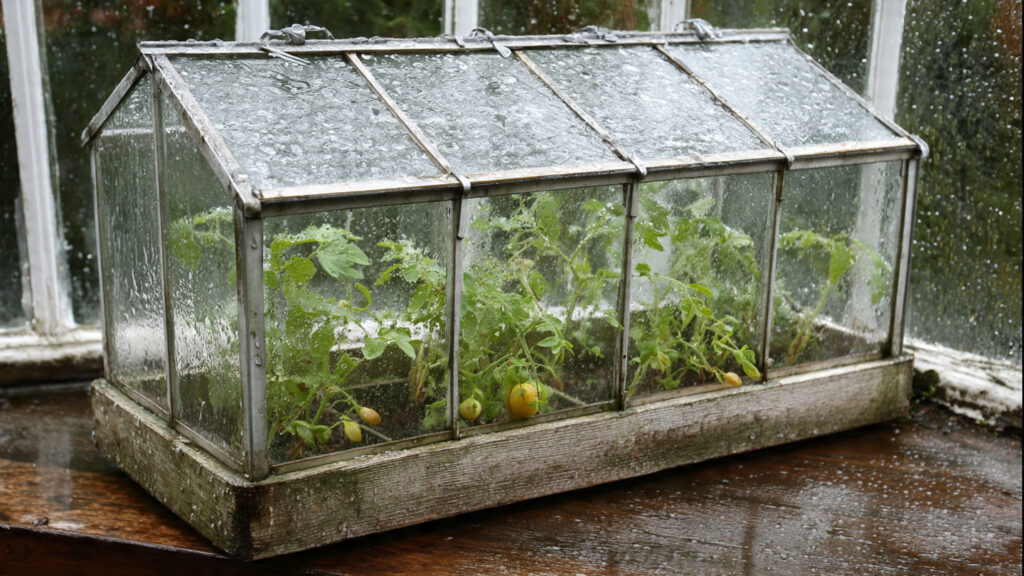
For gardeners, the winter months often feel like a long pause in growth. Yet, with the right techniques, even the coldest season can become a time of preparation and success. One of the most effective ways to preserve your valuable plant cuttings through winter is by using a simple cold frame. Cold frames are easy to build, affordable, and provide an ideal environment for overwintering cuttings, ensuring that your plants emerge healthy and ready for spring. In this article, we will explore the key strategies, practical tips, and essential steps to successfully overwinter your cuttings in a simple cold frame.
Understanding the Purpose of a Cold Frame
A cold frame is essentially a miniature greenhouse. It consists of a low, enclosed structure with a transparent top, usually made of glass or clear plastic, that traps sunlight and retains heat. By creating a microclimate, a cold frame protects your cuttings from harsh temperatures, frost, and excessive moisture while allowing light to reach the plants.
The primary benefits of using a cold frame for overwintering cuttings include:
- Temperature Control: Cold frames maintain a more stable temperature than the outside environment, reducing stress on cuttings.
- Moisture Management: They help regulate humidity, preventing your cuttings from drying out or rotting.
- Protection from Pests: By keeping your cuttings in a controlled environment, you minimize exposure to animals or insects that could damage them.
- Extended Growing Season: Cold frames allow you to start cuttings early in the spring or preserve them through winter for planting later.
Choosing the Right Cuttings for Overwintering
Not all cuttings survive winter equally well. Softwood, semi-hardwood, and hardwood cuttings each have different requirements. Understanding these differences is crucial for overwintering success:
- Softwood cuttings are taken from young, tender growth. They are more sensitive to cold and require slightly warmer conditions in the cold frame.
- Semi-hardwood cuttings come from partially matured stems and can tolerate cooler conditions.
- Hardwood cuttings, taken from fully matured stems of deciduous shrubs and trees, are the hardiest and generally easiest to overwinter.
For beginners, starting with semi-hardwood or hardwood cuttings is advisable, as they are more resilient to fluctuating temperatures and humidity levels in a simple cold frame.
Preparing Your Cold Frame
A simple cold frame can be built using recycled materials, wooden planks, and a transparent lid. When preparing your cold frame for overwintering cuttings, consider the following:
- Location: Place the cold frame in a sheltered spot that receives maximum sunlight during the day but is protected from strong winds. South-facing areas are ideal in the Northern Hemisphere.
- Insulation: To maintain a steady temperature, line the sides with straw, bubble wrap, or horticultural fleece. These materials trap heat and prevent temperature swings.
- Drainage: Ensure your cold frame has proper drainage to prevent waterlogging. Wet soil combined with cold temperatures can cause cuttings to rot.
- Ventilation: Even in winter, occasional ventilation is important. Slightly opening the lid on sunny days prevents overheating and reduces the risk of fungal growth.
Preparing the Cuttings
Before placing cuttings in the cold frame, proper preparation is crucial:
- Healthy Material: Select disease-free and vigorous cuttings. Avoid woody stems that show signs of decay or soft stems that may easily rot.
- Trimming: Remove any leaves from the lower part of the cutting to reduce moisture loss and prevent fungal issues.
- Rooting Hormone (Optional): Applying a rooting hormone to the base can improve success rates, especially for softwood or semi-hardwood cuttings.
- Planting Medium: Use a well-draining medium such as a mix of sand and peat moss or perlite. Avoid heavy soils that retain too much water.
Temperature and Light Management
Temperature is the key factor in overwintering cuttings. Too cold, and they may freeze; too warm, and they may start growing prematurely. Here’s how to strike the right balance:
- Hardwood cuttings tolerate temperatures close to freezing (32–40°F / 0–4°C).
- Semi-hardwood cuttings need slightly warmer conditions (40–50°F / 4–10°C).
- Softwood cuttings should ideally be kept above 50°F / 10°C.
To maintain these temperatures, you can insulate your cold frame with straw or horticultural fleece, and use clear lids to allow maximum sunlight penetration. In extremely cold regions, adding a layer of old carpet or a thermal blanket on top at night can help protect sensitive cuttings.
Light is equally important. Cuttings require indirect sunlight to maintain their vigor without overheating. If sunlight is limited, consider using a reflective surface inside the frame to maximize natural light exposure.
Watering and Humidity Control
Overwintering cuttings in a cold frame is a delicate balance between moisture and dryness:
- Moisture: The soil should be lightly moist but never soggy. Overwatering is the main cause of rot in winter cuttings.
- Humidity: A cold frame naturally maintains higher humidity, which prevents cuttings from drying out. If you notice condensation forming excessively, briefly open the lid to allow airflow.
- Monitoring: Check your cuttings regularly for signs of mold or rot. Remove any affected cuttings immediately to prevent spreading.
Seasonal Adjustments
As winter progresses, conditions outside change, and your cold frame must adapt:
- Early Winter: Focus on insulation and moisture retention. Cuttings are dormant but still require protection from frost.
- Mid-Winter: Monitor temperatures closely. Use extra layers of fleece or straw if severe cold hits. Avoid overwatering since evaporation is slow.
- Late Winter: As temperatures rise and daylight increases, gradually acclimate cuttings to outdoor conditions. Start venting the cold frame more frequently to encourage hardening off and prevent sudden shock when transplanted.
Troubleshooting Common Issues
Even with careful preparation, some challenges may arise:
- Rotting Cuttings: Usually caused by overwatering or poor drainage. Remove affected cuttings and improve soil aeration.
- Leggy Growth: If cuttings start growing prematurely, reduce light exposure or slightly lower the temperature.
- Pest Infestation: Cold frames can still attract small insects. Inspect regularly and remove pests manually or with gentle horticultural sprays if necessary.
Tips for Success
- Label Your Cuttings: Keep track of plant types and dates to monitor progress.
- Keep a Winter Journal: Note temperature, watering schedule, and any issues to improve success year after year.
- Patience: Overwintering cuttings is a waiting game. Don’t disturb them unnecessarily; let nature take its course.
- Start Early: The sooner you prepare your cold frame and plant your cuttings, the better their chances of surviving and thriving.
Conclusion
Successfully overwintering cuttings in a simple cold frame doesn’t require complicated techniques or expensive equipment. By understanding the needs of your cuttings, preparing the right environment, managing temperature and moisture carefully, and paying attention to seasonal changes, you can ensure that your plants emerge healthy and vigorous when spring arrives.
A well-maintained cold frame transforms the winter months from a dormant period into a productive season, giving you a head start on your gardening journey. With patience, care, and a few smart strategies, the key to overwintering your cuttings successfully lies not in complexity, but in consistent, thoughtful attention.
➡️ How to Grow Malabar Spinach from Cuttings for Fast, Easy Greens
➡️ How to Grow Super Delicious Cabbage at Home Without a Garden
➡️ How to Grow Bean Sprouts at Home in Plastic Bottles Easily (Step‑by‑Step Guide)
➡️ Why is Your Lemon Tree Blooming in the Heart of Winter?
➡️ Why Should Your Garden Have a Dedicated Pollinator Highway?
➡️ Why Do Your Fruit Trees Need a Winter Wash to Thrive in Spring?
➡️ How Can Rice Water Transform Your Fruits into Sweeter Delights?
➡️ Jumpstart Your Winter Garden: Seed Starting Under Lights
This winter, embrace the simplicity of a cold frame, and watch as your cuttings thrive, ready to bloom into a vibrant, flourishing garden come spring.