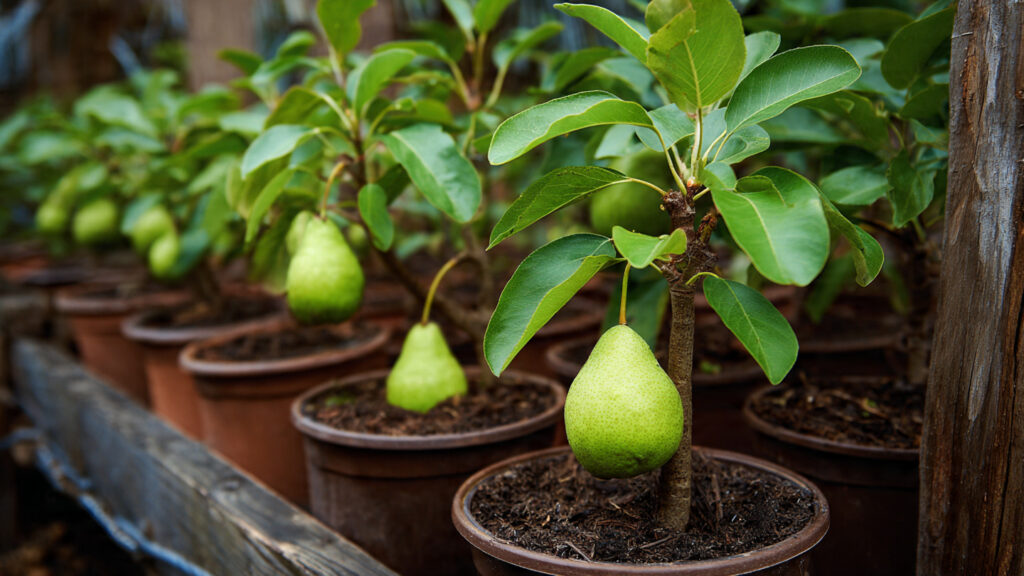
Growing juicy, sweet pears at home can feel like a dream. Many gardeners struggle with sprawling trees, low yields, or fruit that never quite reaches its full flavor potential. Enter miniature columnar trees, a game-changer in modern backyard fruit gardening. These compact, upright trees are revolutionizing how we grow pears—making it easier than ever to enjoy fresh, homegrown fruit, even in small spaces. Here’s why these unique trees are the key to growing juicy, flavorful pears.
1. Space-Saving Design: Perfect for Small Gardens
One of the most appealing aspects of miniature columnar pear trees is their incredibly space-efficient growth habit. Unlike traditional pear trees that can spread 20 feet or more, columnar varieties grow vertically, forming a narrow, upright shape.
- Ideal for small yards or patios: You don’t need a large orchard to grow a productive pear tree.
- Easier to manage: Pruning and maintenance are simpler when trees are compact.
- Multiple trees in limited space: You can plant several columnar trees close together for cross-pollination without overcrowding your garden.
For urban gardeners, terrace gardens, or even container gardening, this upright design transforms the dream of fresh pears into a practical reality.
2. Faster Fruiting for Quick Rewards
Traditional pear trees can take several years to produce a significant harvest, which can be discouraging for new gardeners. Miniature columnar trees, however, are bred to produce fruit faster. Many varieties start yielding within 2–3 years of planting, sometimes even sooner in ideal conditions.
- Early flowering: Columnar trees bloom earlier in the season, giving you a head start on fruit development.
- More fruiting tips per branch: Their vertical growth concentrates flowering buds along the main stem, maximizing fruit production.
- Consistent harvests: Because of their compact growth, the energy of the tree is focused on fruiting rather than excessive leafy growth.
For gardeners looking for juicy pears without the long wait, this rapid productivity is a huge advantage.
3. Optimal Sun Exposure for Sweet, Juicy Pears
Sunlight is essential for developing sweet, flavorful fruit. Miniature columnar trees naturally offer better light penetration throughout the plant because of their upright, narrow form.
- All leaves get sunlight: Each branch is exposed to sufficient light, promoting healthy photosynthesis and strong growth.
- Improved fruit quality: More sunlight on the fruit means sweeter, juicier pears with vibrant color.
- Lower disease risk: Good air and sunlight circulation reduce fungal diseases, which can impact fruit flavor and yield.
With columnar trees, you maximize every ray of sunlight—turning it into delicious, homegrown pears.
4. Easy Maintenance and Care
Caring for traditional pear trees can involve complex pruning, scaffolding, and heavy lifting during harvest. Miniature columnar trees simplify care without sacrificing yield or fruit quality.
- Pruning made simple: Their narrow shape requires minimal pruning, usually just removing dead or crowded branches.
- Less labor-intensive: No ladders or long reach tools are needed to harvest or maintain the tree.
- Manageable in containers: Many columnar varieties thrive in pots, making it possible to grow pears even on balconies or terraces.
This ease of care encourages more gardeners to grow their own fruit, reducing dependence on store-bought pears that often lack flavor.
5. Ideal for Pollination and Multi-Variety Planting
Miniature columnar pear trees are perfect for growing multiple varieties in limited space, which is important for cross-pollination. Pear trees generally require pollen from a compatible variety to produce fruit.
- Multiple varieties in small gardens: You can plant two or three columnar trees in a small area without overcrowding.
- Improved pollination: Close proximity encourages bees and other pollinators to visit multiple trees, enhancing fruit set.
- Diverse flavors: Grow different pear types—sweet, spicy, or aromatic—side by side for a varied harvest.
This makes columnar trees a practical choice for gardeners who want a year-round supply of unique, juicy pears.
6. Pest and Disease Management Benefits
Miniature columnar trees are not just convenient—they can also help reduce common problems that affect traditional pear trees. Their upright form improves airflow around the foliage and fruit, reducing conditions that favor pests and diseases.
- Fewer fungal issues: Diseases like pear scab or powdery mildew thrive in damp, poorly ventilated trees. Columnar trees are less prone to these problems.
- Easy to monitor: The compact structure makes it easier to spot early signs of pests or infections.
- Integrated pest management: Small-scale trees are ideal for targeted, organic treatments such as neem oil or companion planting.
By reducing stress from pests and disease, columnar trees devote more energy to producing juicy, flavorful fruit rather than defensive growth.
7. Stunning Aesthetic Appeal
Beyond fruit production, miniature columnar pear trees are visually striking. Their tall, upright form adds structure and elegance to gardens, patios, and terraces.
- Decorative landscaping: Columnar trees can serve as natural privacy screens or focal points in a garden design.
- Seasonal beauty: They showcase delicate spring blossoms, lush green foliage, and vibrant autumn colors.
- Functional and beautiful: You don’t have to choose between aesthetics and productivity—these trees offer both.
A small garden can look lush and productive, making fruit gardening as much an art as it is a science.
➡️ How to Grow Malabar Spinach from Cuttings for Fast, Easy Greens
➡️ How to Grow Super Delicious Cabbage at Home Without a Garden
➡️ How to Grow Bean Sprouts at Home in Plastic Bottles Easily (Step‑by‑Step Guide)
➡️ Why is Your Lemon Tree Blooming in the Heart of Winter?
➡️ Why Should Your Garden Have a Dedicated Pollinator Highway?
➡️ Why Do Your Fruit Trees Need a Winter Wash to Thrive in Spring?
➡️ How Can Rice Water Transform Your Fruits into Sweeter Delights?
➡️ Jumpstart Your Winter Garden: Seed Starting Under Lights
Bonus Tips for Growing Juicy Pears with Columnar Trees
Even with these advantages, proper care is essential to maximize the potential of your columnar pear trees. Here are some quick tips:
- Soil Matters: Plant in well-draining soil rich in organic matter. A slightly acidic to neutral pH (6.0–7.0) is ideal.
- Fertilization: Use a balanced fertilizer in spring and early summer to promote healthy growth and fruiting.
- Regular Watering: Keep soil consistently moist, especially during flowering and fruit development. Mulching can help retain moisture.
- Thinning Fruit: Remove smaller or overcrowded fruits to encourage larger, juicier pears.
- Support: While miniature trees are sturdy, stakes or small cages can prevent bending under heavy fruit loads.
With these steps, your columnar pear tree can produce consistently delicious, juicy pears year after year.
Final Thoughts
Miniature columnar trees are changing the way gardeners grow pears. Their space-saving design, early and concentrated fruiting, excellent sun exposure, low maintenance, and aesthetic appeal make them a perfect choice for both beginner and experienced fruit growers.
Whether you have a small backyard, a terrace, or even a balcony, these upright trees make it possible to enjoy sweet, juicy pears without the hassle of traditional trees. By combining smart planting techniques, proper care, and the natural advantages of columnar growth, you can harvest flavorful pears that are as satisfying to grow as they are to eat.
For anyone dreaming of homegrown pears, miniature columnar trees are more than just a convenience—they’re the key to transforming a small space into a fruitful, productive paradise.