When gardeners talk about improving soil health, you often hear about compost, worm castings, cover crops, and organic fertilizers. But there’s one surprisingly simple ingredient that many experienced growers quietly rely on: molasses.
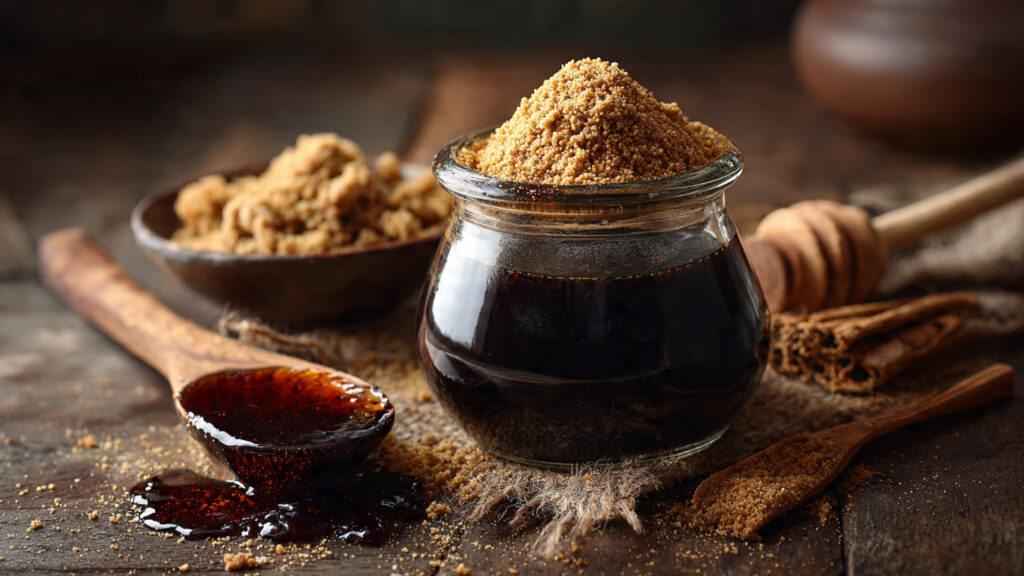
Yes, the same thick, dark syrup often used in baking can become a powerful ally in the garden. Molasses has earned its reputation as a “secret weapon” because of its remarkable ability to stimulate beneficial soil bacteria, enhance nutrient availability, and improve overall soil vitality.
So what makes molasses so effective? Let’s dig into the science and practical benefits behind this sweet soil booster.
Understanding the Importance of Soil Bacteria
Healthy soil is alive. A single teaspoon of rich garden soil can contain billions of microorganisms, including bacteria, fungi, protozoa, and nematodes. Among these, bacteria play a crucial role in:
- Breaking down organic matter
- Converting nutrients into plant-available forms
- Fixing nitrogen (in certain species)
- Improving soil structure
- Supporting root health
Without active microbial life, soil becomes compacted, nutrient-poor, and less productive.
Feeding your soil microbes is just as important as feeding your plants.
What Is Molasses?
Molasses is a byproduct of sugar production. When sugarcane or sugar beets are processed, the thick, dark syrup left behind is molasses. The most commonly used type in gardening is unsulfured blackstrap molasses, which contains higher mineral content.
Molasses contains:
- Sugars (sucrose, glucose, fructose)
- Iron
- Calcium
- Magnesium
- Potassium
- Trace minerals
These components make it more than just a sweetener—it’s a microbial food source.
Why Soil Bacteria Love Molasses
Soil bacteria require energy to grow and multiply. Their primary fuel source? Carbon.
Molasses is rich in simple sugars, which provide an immediate carbon source. When you apply molasses to soil or compost, beneficial bacteria quickly consume the sugars and reproduce.
This microbial bloom accelerates biological activity in the soil.
More bacteria means:
- Faster decomposition of organic matter
- Improved nutrient cycling
- Increased nutrient availability for plants
In short, molasses acts as a microbial stimulant.
The Carbon-to-Nitrogen Balance
Soil health often depends on maintaining a balanced carbon-to-nitrogen (C:N) ratio. When compost or soil amendments are high in nitrogen, adding a carbon source like molasses helps maintain equilibrium.
➡️ How to Grow Malabar Spinach from Cuttings for Fast, Easy Greens
➡️ How to Grow Super Delicious Cabbage at Home Without a Garden
➡️ How to Grow Bean Sprouts at Home in Plastic Bottles Easily (Step‑by‑Step Guide)
➡️ Why is Your Lemon Tree Blooming in the Heart of Winter?
➡️ Why Should Your Garden Have a Dedicated Pollinator Highway?
➡️ Why Do Your Fruit Trees Need a Winter Wash to Thrive in Spring?
➡️ How Can Rice Water Transform Your Fruits into Sweeter Delights?
➡️ Jumpstart Your Winter Garden: Seed Starting Under Lights
This balance supports efficient microbial growth and reduces nutrient imbalances.
Molasses supplies carbon without introducing excessive bulk, making it an efficient booster.
Enhancing Compost and Compost Tea
One of the most common uses for molasses is in compost tea.
Compost tea is a liquid solution brewed from compost and water, often aerated to encourage microbial growth. Adding molasses during brewing provides food for beneficial bacteria, helping them multiply rapidly.
The result:
- Higher microbial populations
- Stronger soil inoculation
- Improved plant vigor
When applied to soil or sprayed on foliage, compost tea enriched with molasses introduces active beneficial organisms that support plant health.
Unlocking Nutrients in the Soil
Soil often contains nutrients that plants cannot access directly. Microbes play a key role in unlocking these nutrients.
Bacteria break down organic materials into simpler forms that plant roots can absorb. By stimulating bacterial growth, molasses indirectly increases nutrient availability.
For example:
- Phosphorus becomes more accessible.
- Nitrogen cycling improves.
- Micronutrients become more soluble.
Rather than acting as a fertilizer itself, molasses enhances the soil’s natural nutrient-processing system.
Supporting Mycorrhizal Fungi
While molasses primarily feeds bacteria, a healthy microbial ecosystem also benefits beneficial fungi.
Mycorrhizal fungi form symbiotic relationships with plant roots, extending their ability to absorb water and nutrients.
When bacterial populations thrive, soil structure improves, creating an environment where fungi also flourish. The overall soil food web becomes more balanced and resilient.
Improving Soil Structure
As bacteria consume sugars and reproduce, they produce sticky substances called polysaccharides. These compounds help bind soil particles together into aggregates.
Better soil aggregation means:
- Improved drainage
- Increased aeration
- Reduced compaction
- Enhanced root penetration
Molasses indirectly supports this structural improvement by stimulating microbial activity.
Natural Disease Suppression
A thriving microbial population can help suppress harmful pathogens.
When beneficial bacteria multiply, they compete with disease-causing organisms for space and resources. This competition reduces the likelihood of soil-borne diseases taking hold.
Healthy soil ecosystems are more resilient and self-regulating.
Molasses contributes to this resilience by fueling beneficial microbes.
How to Use Molasses in the Garden
1. Soil Drench
Mix 1–2 tablespoons of unsulfured blackstrap molasses in one gallon of water. Apply directly to the soil around plants every 3–4 weeks during the growing season.
Avoid overuse—excess sugar can temporarily disrupt balance if applied too heavily.
2. Compost Tea Additive
When brewing compost tea:
- Add 1–2 tablespoons per gallon of water.
- Aerate for 24–36 hours.
The molasses feeds bacteria during brewing, increasing microbial populations.
3. Compost Pile Booster
Pour diluted molasses over compost layers to speed decomposition.
This is especially helpful in compost piles lacking green material or microbial diversity.
Why Unsulfured Molasses Matters
Always use unsulfured molasses. Sulfur dioxide is sometimes added as a preservative during processing, which can inhibit microbial activity.
Unsulfured blackstrap molasses is richer in minerals and safer for soil organisms.
Avoiding Common Mistakes
While molasses is beneficial, moderation is key.
Overapplication
Too much sugar can create temporary imbalances, attracting unwanted pests or causing anaerobic conditions.
Poor Drainage
In waterlogged soil, added sugars may encourage undesirable microbes.
Ignoring Soil Basics
Molasses enhances healthy soil—it doesn’t fix severely degraded soil alone. Combine it with compost, organic matter, and good cultural practices.
Does Molasses Replace Fertilizer?
No.
Molasses contains small amounts of minerals but not enough to serve as a primary fertilizer. Its value lies in stimulating microbial processes that improve nutrient cycling.
Think of molasses as a catalyst, not a replacement for balanced feeding.
When You’ll See Results
Gardeners often notice:
- Improved plant vigor
- Deeper green foliage
- Stronger root systems
- Better fruit and flower production
However, results depend on overall soil conditions. Molasses works best in living, organic-rich soils.
Why It’s Considered a “Secret Weapon”
Molasses is inexpensive, widely available, and easy to apply. Yet its impact on microbial activity can be significant.
It doesn’t deliver flashy instant results like synthetic fertilizers. Instead, it strengthens the foundation of soil health.
That foundational improvement creates long-term productivity.
In organic gardening circles, molasses is valued because it supports natural biological systems rather than bypassing them.
Sustainable Soil Building
Modern gardening increasingly focuses on regenerative practices—building soil instead of depleting it.
Molasses aligns perfectly with this philosophy:
- It feeds microbes.
- It enhances nutrient cycling.
- It improves soil structure naturally.
- It supports biodiversity underground.
Healthy soil leads to healthier plants, which in turn require fewer chemical inputs.
Final Thoughts
Molasses may seem simple, even humble. But beneath the surface, it sparks powerful biological activity.
By feeding beneficial bacteria, molasses accelerates decomposition, unlocks nutrients, improves soil structure, and strengthens plant health. It transforms soil from a passive growing medium into a dynamic, living ecosystem.
Used wisely and in moderation, molasses becomes more than a sweet syrup—it becomes a strategic tool for gardeners who understand that thriving plants begin with thriving soil.