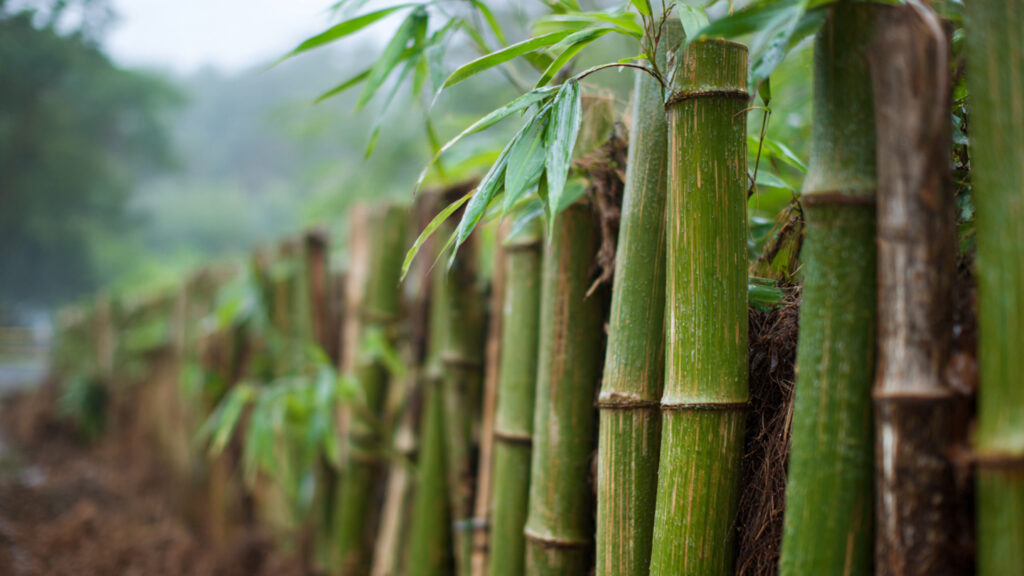
Bamboo is one of the most striking plants you can add to a landscape. It grows quickly, creates privacy in record time, and brings a lush, tropical elegance to gardens large and small. Whether you admire the towering drama of Phyllostachys aurea or the graceful screening ability of Bambusa vulgaris, it’s easy to see why bamboo is so popular.
But beneath that serene canopy lies a hidden risk—especially if you plant certain types without a proper root barrier.
Bamboo can be either clumping or running. Clumping varieties stay relatively compact. Running varieties, however, can spread aggressively underground through powerful rhizomes. If planted without containment, they can quickly become one of the most difficult plants to control in your yard.
Let’s explore what really happens when bamboo is planted without a root barrier—and how to avoid long-term regret.
Understanding Bamboo’s Growth Habit
Before discussing the risks, it’s important to understand how bamboo grows.
Unlike trees that expand outward from a central trunk, many bamboos spread via underground stems called rhizomes. These rhizomes travel horizontally beneath the soil surface and send up new shoots several feet away from the original plant.
Running bamboo species, particularly those in the genus Phyllostachys, are known for this behavior.
Under the right conditions, rhizomes can spread several feet per year—sometimes more. Without a barrier, nothing stops them from crossing property lines, invading lawns, or creeping into garden beds.
Risk #1: Uncontrolled Spread
The most immediate risk of planting bamboo without a root barrier is aggressive expansion.
You may plant a small cluster in one corner of your yard. Within a few seasons, shoots could begin appearing:
- In your lawn
- In vegetable beds
- Under fences
- Along driveways
- In neighboring yards
Bamboo doesn’t respect boundaries. Its rhizomes travel underground silently, often unnoticed until new shoots suddenly emerge.
Once established, removal becomes labor-intensive and expensive.
Risk #2: Damage to Hardscapes
Bamboo rhizomes are strong. While they are not typically capable of breaking solid concrete slabs, they can exploit cracks and weak points.
Without containment, bamboo may:
- Lift pavers
- Invade retaining walls
- Disrupt irrigation systems
- Push through poorly installed edging
- Creep beneath sidewalks
Repairing damaged hardscapes often costs far more than installing a root barrier initially.
➡️ How to Grow Malabar Spinach from Cuttings for Fast, Easy Greens
➡️ How to Grow Super Delicious Cabbage at Home Without a Garden
➡️ How to Grow Bean Sprouts at Home in Plastic Bottles Easily (Step‑by‑Step Guide)
➡️ Why is Your Lemon Tree Blooming in the Heart of Winter?
➡️ Why Should Your Garden Have a Dedicated Pollinator Highway?
➡️ Why Do Your Fruit Trees Need a Winter Wash to Thrive in Spring?
➡️ How Can Rice Water Transform Your Fruits into Sweeter Delights?
➡️ Jumpstart Your Winter Garden: Seed Starting Under Lights
Risk #3: Neighbor Disputes
One of the most common issues with uncontrolled bamboo is conflict between neighbors.
If rhizomes spread into an adjacent property, the neighbor may face:
- Lawn damage
- Garden invasion
- Costly removal efforts
In some regions, homeowners have faced legal disputes over invasive bamboo spreading across property lines.
Planting without containment can unintentionally create tension—and even financial liability.
Risk #4: Difficult and Costly Removal
Removing established running bamboo is notoriously difficult.
Because rhizomes spread underground, simply cutting down visible canes does not solve the problem. The plant will resprout from remaining rhizomes.
Proper removal often requires:
- Digging out extensive root systems
- Repeated cutting over multiple seasons
- Heavy equipment for large infestations
- Professional landscaping services
What started as a decorative plant can turn into a multi-year battle.
Risk #5: Lawn and Garden Competition
Bamboo grows quickly and consumes significant nutrients and water.
Without a barrier, it competes with nearby plants by:
- Stealing moisture
- Blocking sunlight
- Crowding root systems
- Altering soil balance
Flower beds, shrubs, and even small trees may struggle when bamboo invades their root zones.
Risk #6: Reduced Property Value
In some housing markets, uncontrolled bamboo can negatively impact resale value.
Potential buyers may hesitate if they see signs of spreading bamboo, knowing the cost and effort required for removal.
What once seemed like a privacy upgrade may become a deterrent to future sales.
Risk #7: Environmental Impact
In certain climates, running bamboo can escape residential gardens and spread into natural areas.
While not all bamboo species are invasive in every region, uncontrolled growth can disrupt native plant communities by:
- Outcompeting local vegetation
- Creating dense monocultures
- Altering habitat structure
Responsible planting helps protect local ecosystems.
Why Root Barriers Matter
A root barrier is typically a thick, high-density polyethylene (HDPE) sheet installed vertically in the soil around the bamboo planting area.
When installed properly:
- It redirects rhizomes upward
- Prevents underground escape
- Maintains a defined planting zone
Without this barrier, rhizomes encounter no resistance.
The barrier acts like an underground fence—essential for running varieties.
How Deep Should a Bamboo Root Barrier Be?
For most running bamboo species, barriers should be:
- At least 24 to 30 inches deep
- Installed with a slight outward angle
- Left 1–2 inches above soil level
Leaving a small portion exposed allows you to spot rhizomes attempting to climb over the barrier.
Proper installation is just as important as having a barrier at all.
Clumping vs. Running Bamboo
Not all bamboo poses the same risk.
Clumping bamboo, such as species in the genus Bambusa, grows in tight clusters and expands slowly.
These varieties typically do not require root barriers in most garden settings.
However, running types—especially temperate species like Phyllostachys nigra—almost always require containment.
Knowing the difference before planting is crucial.
Can You Control Bamboo Without a Barrier?
Some gardeners attempt manual control by:
- Annual trenching around the plant
- Cutting exposed rhizomes
- Mowing emerging shoots
While possible, this method demands consistent maintenance and vigilance.
Miss one season, and rhizomes may extend beyond your control zone.
For most homeowners, installing a barrier at planting time is far easier than relying on manual containment long-term.
What Happens If You Ignore the Warning?
Many bamboo problems start innocently.
A small decorative planting grows beautifully for two or three years. Then, shoots begin appearing farther away. Homeowners may initially cut them back, assuming the issue is minor.
But underground, rhizomes continue expanding.
By the time spread becomes obvious, removal may require:
- Excavation
- Soil replacement
- Root sieving
- Replanting damaged areas
Ignoring early containment can turn a manageable plant into a major project.
Signs Your Bamboo Is Spreading
Watch for:
- New shoots appearing several feet away
- Raised soil lines indicating rhizome travel
- Cracks forming near planting zones
- Neighbor complaints
Early detection allows intervention before major damage occurs.
Best Practices Before Planting Bamboo
If you’re considering bamboo for privacy or aesthetics, follow these steps:
- Identify the exact species.
- Confirm whether it is clumping or running.
- Install a high-quality root barrier for running types.
- Leave room for controlled expansion.
- Monitor growth annually.
Thoughtful planning prevents long-term frustration.
The Bottom Line
Bamboo can be a stunning and practical addition to a landscape. It offers fast privacy, wind protection, and architectural beauty unmatched by many plants.
But when running bamboo is planted without a root barrier, serious risks lurk beneath the soil:
- Uncontrolled spread
- Property damage
- Neighbor disputes
- Expensive removal
- Reduced property value
The solution is simple and proactive: install a proper root barrier at the beginning.
In gardening, prevention is almost always easier—and cheaper—than correction. With the right preparation, bamboo can remain a graceful feature rather than a hidden liability.