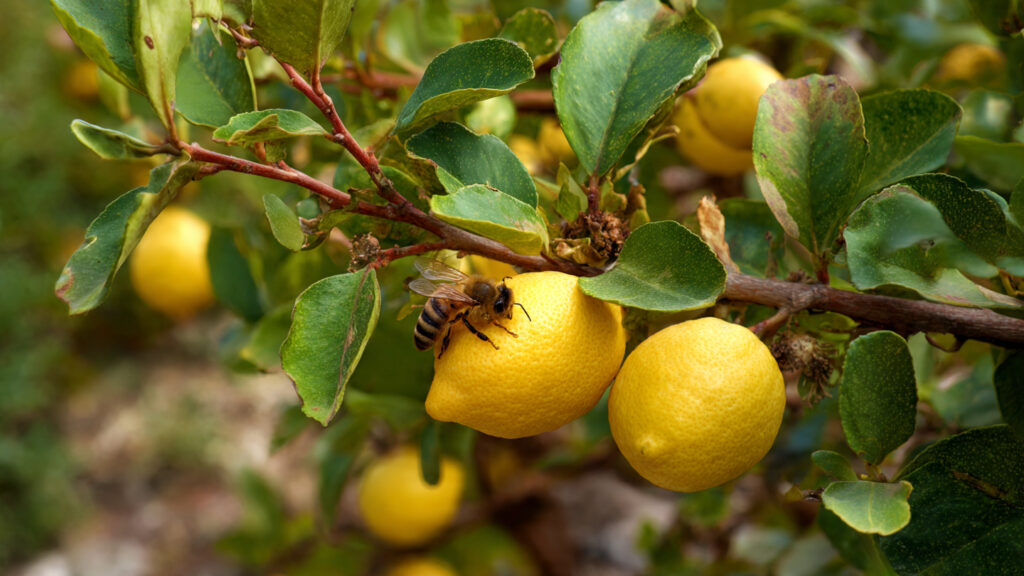
If you’ve been growing fruit trees, you might have experienced the frustration of seeing blossoms come and go, only to have very few fruits set. Poor pollination is one of the most common culprits behind underperforming fruit trees. But what exactly is happening, and how can you fix it? Understanding the hidden factors affecting pollination can help you enjoy larger, healthier harvests year after year.
Understanding Pollination
Pollination is the process by which pollen from a flower’s male part (anther) reaches the female part (stigma), allowing fertilization and fruit development. Without successful pollination, blossoms will fail to develop into fruits, regardless of how healthy your trees appear.
There are two main types of pollination:
- Self-pollination: Some fruit trees, like peaches and sour cherries, can pollinate themselves without requiring pollen from another tree.
- Cross-pollination: Most fruit trees, including apples, pears, and plums, require pollen from a different variety to set fruit effectively.
Even trees capable of self-pollination may benefit from cross-pollination, which often results in larger, higher-quality fruits.
Common Causes of Poor Pollination
Several factors can contribute to low fruit set in your trees. Many gardeners overlook these hidden issues, but addressing them can significantly improve harvests.
1. Lack of Pollinators
Pollinators, especially bees, are vital for fruit production. If your trees are not being visited frequently, pollination will be limited. Common reasons for low pollinator activity include:
- Pesticides: Insecticides can kill beneficial pollinators along with pests.
- Poor garden biodiversity: A lack of flowering plants reduces food sources for bees and other pollinators.
- Unfavorable weather: Cold, rainy, or windy weather during flowering can prevent bees from flying.
Without active pollinators, pollen transfer is severely reduced, leading to poor fruit set.
2. Incorrect Tree Placement
Planting trees too far apart or in areas with poor sunlight can affect pollination. Consider:
- Distance: Cross-pollinating varieties need to be close enough for bees to travel between them, usually within 50–100 feet.
- Sunlight: Trees need 6–8 hours of direct sunlight daily. Shaded blossoms produce weaker flowers less attractive to pollinators.
Trees planted in isolation or shade may bloom but fail to produce adequate fruit.
3. Poor Tree Health
A stressed tree produces fewer and weaker blossoms, which impacts pollination. Factors contributing to poor tree health include:
- Nutrient deficiencies: Lack of nitrogen, phosphorus, or potassium affects flower quality.
- Water stress: Both overwatering and underwatering can reduce flower size and vigor.
- Disease or pests: Fungal infections, aphids, or other pests can damage flowers before they are pollinated.
Healthy trees produce vibrant, nectar-rich flowers that attract pollinators and increase fruit set.
4. Flowering Timing Mismatches
Cross-pollination requires overlapping bloom periods. If two varieties flower at different times, pollination fails. Examples:
- Early-blooming apples may not coincide with late-blooming crabapples used for pollination.
- Frost can delay bloom in one tree while another has already finished flowering.
Careful selection of compatible varieties ensures that flowers overlap and allow effective pollen transfer.
5. Excessive Pruning or Fertilization
While pruning is essential, over-pruning or improper fertilization can harm pollination:
- Over-pruning: Removes too many flowers or flower buds, reducing potential fruit sites.
- High nitrogen fertilization: Promotes leafy growth at the expense of flower and fruit production.
Balancing pruning and nutrient management is crucial for maximizing pollination and fruit set.
➡️ How to Grow Malabar Spinach from Cuttings for Fast, Easy Greens
➡️ How to Grow Super Delicious Cabbage at Home Without a Garden
➡️ How to Grow Bean Sprouts at Home in Plastic Bottles Easily (Step‑by‑Step Guide)
➡️ Why is Your Lemon Tree Blooming in the Heart of Winter?
➡️ Why Should Your Garden Have a Dedicated Pollinator Highway?
➡️ Why Do Your Fruit Trees Need a Winter Wash to Thrive in Spring?
➡️ How Can Rice Water Transform Your Fruits into Sweeter Delights?
➡️ Jumpstart Your Winter Garden: Seed Starting Under Lights
Secrets Behind the Flower-to-Fruit Transformation
Many gardeners focus on flowers and forget that fruit development depends on subtle biological processes:
1. Pollen Viability
Even if flowers bloom, low-quality pollen may not fertilize the ovules effectively. Factors affecting pollen viability include:
- High temperatures: Heat during flowering can damage pollen grains.
- Fungal infections: Diseases like powdery mildew can affect pollen quality.
- Age of flowers: Older flowers produce less viable pollen.
Using compatible and healthy varieties ensures effective pollen transfer.
2. Stigma Receptivity
The female part of the flower must be receptive to pollen. Sometimes flowers appear open but are past the receptive phase. This mismatch can reduce fruit set.
3. Environmental Conditions
Temperature, wind, and humidity influence pollination. For example:
- Cold nights may reduce flower fertility.
- Strong winds can blow pollen away before fertilization.
- High humidity can make pollen sticky, reducing transfer.
Optimal flowering conditions are essential for successful pollination.
How to Improve Pollination
Fortunately, several simple strategies can help boost pollination and increase fruit yields:
1. Attract and Protect Pollinators
- Plant companion flowers: Lavender, marigolds, and sunflowers attract bees and butterflies.
- Avoid pesticides during bloom: Use organic or targeted pest control methods.
- Provide water sources: Shallow dishes of water encourage bee activity.
Healthy pollinator populations dramatically increase fruit set.
2. Choose Compatible Varieties
- Ensure cross-pollinating trees have overlapping bloom periods.
- Consult local nursery guides or extension services to find varieties that complement each other.
- Plant multiple trees to improve pollen availability.
3. Improve Tree Health
- Fertilize according to soil tests to provide balanced nutrients.
- Water consistently, especially during dry spells.
- Remove diseased or damaged branches to promote strong flower production.
Healthy trees produce more attractive flowers and higher-quality pollen.
4. Hand Pollination
For small orchards or isolated trees, hand pollination can be a game-changer:
- Use a soft brush or cotton swab to transfer pollen from one flower to another.
- Focus on flowers during peak bloom for maximum effect.
- This method ensures fertilization even in the absence of natural pollinators.
5. Timing Pruning and Fertilization
- Prune after the flowering season or during dormancy to avoid removing flower buds.
- Avoid high-nitrogen fertilizers before bloom; opt for phosphorus-rich fertilizers to encourage flowering.
These practices maximize blossom quantity and quality for better pollination.
Common Mistakes That Reduce Pollination
- Ignoring bloom overlap: Planting incompatible varieties or ignoring bloom times.
- Overfertilizing: Produces leaves instead of flowers.
- Neglecting pollinator habitats: Fewer bees mean fewer fruits.
- Planting in shade or isolated spots: Trees may bloom but fail to fruit.
Avoiding these mistakes improves fruit set and ensures a more bountiful harvest.
Conclusion
Poor pollination is often the hidden reason behind disappointing fruit yields. By understanding the secrets of flower health, pollen viability, pollinator activity, and environmental conditions, you can identify the factors holding back your harvest.
Improving pollination involves a combination of strategies: planting compatible varieties, attracting and protecting pollinators, maintaining tree health, timing pruning and fertilization correctly, and even hand-pollinating when necessary. These steps not only increase fruit quantity but also enhance fruit quality, making your trees more productive and rewarding.
Next time you wonder why your fruit trees aren’t delivering, look beyond the blossoms. By addressing the subtle, often overlooked causes of poor pollination, you can unlock the secret to abundant, healthy, and delicious harvests right in your backyard. With a little knowledge and proactive care, your fruit trees can reach their full potential—blossoming beautifully and bearing fruits that reflect your dedication.