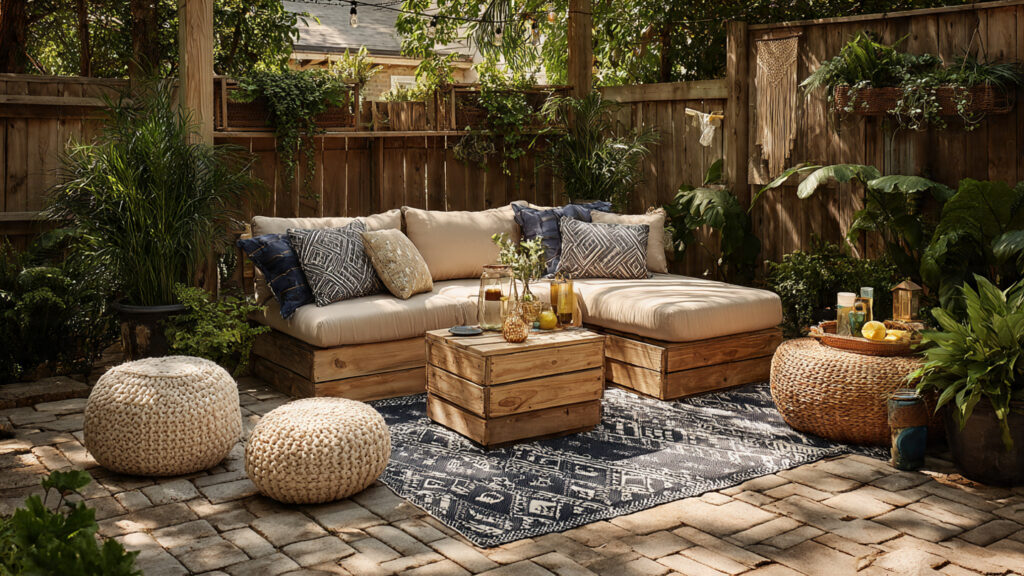
A small patio may feel limiting, but with smart design choices and a bit of creativity, even the tiniest outdoor space can be transformed into a spacious, inviting retreat. Whether you want a cozy spot for morning coffee, an al fresco dining area, or a tranquil space to unwind, clever design strategies can make your patio feel much larger than it really is.
In this guide, we’ll explore practical tricks and techniques to maximize your patio space, improve functionality, and create a stylish, serene outdoor oasis. From furniture choices to landscaping and visual tricks, these tips will help you unlock the full potential of your patio, no matter its size.
1. Choose the Right Furniture
Small patios benefit greatly from carefully selected furniture that balances comfort with space efficiency. Oversized pieces can quickly overwhelm a compact area.
Tips for furniture selection:
- Opt for multi-functional pieces: Benches with storage, foldable tables, or ottomans that double as seating help reduce clutter.
- Scale appropriately: Choose furniture that fits the scale of your patio; avoid bulky armchairs or oversized sofas.
- Use lightweight materials: Aluminum, rattan, or wicker furniture is easier to move, allowing for flexible layouts.
- Consider wall-mounted options: Fold-down tables or bench seating attached to walls free up floor space.
By selecting furniture thoughtfully, you can maintain comfort without compromising the feeling of openness.
2. Create Visual Depth
Making a small patio feel larger often relies on tricking the eye into perceiving more space than actually exists.
Visual tricks include:
- Use mirrors: Strategically placed mirrors reflect light and greenery, giving the illusion of a larger space.
- Light colors: Pale or neutral tones on walls, furniture, and flooring make the area feel airy and open.
- Vertical lines: Tall planters, trellises, or vertical garden walls draw the eye upward, creating a sense of height.
- Layered lighting: Combine string lights, lanterns, and wall-mounted lights to create depth and ambiance at night.
These subtle adjustments enhance the perception of space and make your patio feel more expansive.
3. Maximize Vertical Space
In small patios, the floor area is limited, so vertical space becomes a valuable resource.
Ways to use vertical space effectively:
- Vertical gardens: Install wall planters or hanging pots to bring greenery without taking up floor space.
- Trellises and climbing plants: Vines like jasmine or clematis add height, beauty, and privacy.
- Hanging storage: Hooks for tools, lanterns, or decorative items keep the patio organized and visually clean.
By drawing attention upward, you create the illusion of a larger, more open space while adding layers of interest.
4. Use Rugs to Define Zones
Rugs aren’t just for indoor use—they can be a powerful tool to organize and visually expand outdoor areas.
Rug tips for small patios:
- Use rugs to define seating or dining zones, making the space feel intentional rather than cramped.
- Choose light-colored or patterned rugs to visually open up the floor.
- Outdoor rugs with geometric designs can create perspective lines, subtly elongating the patio.
A well-placed rug adds comfort, color, and definition, helping your patio feel cohesive and spacious.
5. Opt for Minimalist Landscaping
Cluttered planters and overgrown greenery can make a small patio feel cramped. Instead, choose landscaping wisely to enhance space.
➡️ How to Grow Malabar Spinach from Cuttings for Fast, Easy Greens
➡️ How to Grow Super Delicious Cabbage at Home Without a Garden
➡️ How to Grow Bean Sprouts at Home in Plastic Bottles Easily (Step‑by‑Step Guide)
➡️ Why is Your Lemon Tree Blooming in the Heart of Winter?
➡️ Why Should Your Garden Have a Dedicated Pollinator Highway?
➡️ Why Do Your Fruit Trees Need a Winter Wash to Thrive in Spring?
➡️ How Can Rice Water Transform Your Fruits into Sweeter Delights?
➡️ Jumpstart Your Winter Garden: Seed Starting Under Lights
Landscaping strategies:
- Potted plants: Use a few carefully selected pots rather than crowding every corner.
- Tall, narrow plants: Bamboo, ornamental grasses, or columnar shrubs add height without taking up much width.
- Herb walls or vertical planters: Provide greenery while saving precious floor space.
- Seasonal rotation: Replace larger plants with smaller varieties during off-season to maintain openness.
Minimalist landscaping ensures your patio feels lush without overwhelming the space.
6. Create Outdoor “Rooms”
Even small patios can feel spacious if you divide them into distinct functional areas.
Ideas for outdoor zoning:
- A cozy corner with a single chair and small side table for reading or coffee.
- A dining nook with a compact table and foldable chairs.
- A green retreat with a few plants and a bench.
Defining these zones prevents overcrowding and makes the patio feel like a purposeful extension of your home, rather than a single cramped area.
7. Light and Reflection
Natural and artificial light play a huge role in how spacious a patio feels.
Lighting strategies:
- String lights or fairy lights: These add warmth and draw the eye upward.
- Lanterns and sconces: Layered lighting adds depth and ambiance.
- Reflective surfaces: Glass tabletops, mirrors, or water features reflect light and visually expand the area.
- Keep window access clear: If the patio connects to your home, ensure natural light from doors or windows isn’t blocked.
Well-thought-out lighting transforms the atmosphere, making even the tiniest patio feel inviting and open.
8. Use Color to Expand Space
Color schemes can dramatically affect the perception of size.
Tips for color selection:
- Light shades: Whites, creams, pale blues, and greens make spaces feel open and airy.
- Monochromatic palettes: Using variations of one color reduces visual clutter.
- Accent pops: A single vibrant cushion or planter draws the eye and adds interest without overcrowding.
- Flooring contrast: A lighter floor with darker furniture creates a grounded effect while maintaining openness.
Careful color choices give a clean, uncluttered aesthetic that tricks the eye into seeing a larger space.
9. Keep It Organized
A small patio can easily feel crowded if items are left scattered. Organization is key to maintaining a spacious feel.
Organization strategies:
- Use storage benches to hide cushions, gardening tools, or decor items.
- Vertical shelves or wall hooks reduce floor clutter.
- Limit decor to essential items—less is more in small spaces.
- Store seasonal items indoors when not in use.
A tidy, intentional arrangement enhances both functionality and perceived space.
10. Add Privacy Without Blocking Space
Privacy can make a patio feel like a true retreat, but bulky screens can shrink your space.
Privacy solutions for small patios:
- Tall, narrow planters with vertical greenery.
- Sheer curtains on pergolas or awnings.
- Lattice panels with climbing plants.
- Frosted glass partitions for a modern touch.
By creating subtle, visually light barriers, you maintain intimacy while keeping the area open.
Bonus Tip: Incorporate Water Features
Small water features, like a tabletop fountain or wall-mounted water cascade, add soothing sound and movement without consuming floor space. Water reflections enhance light, and gentle sound creates a relaxing ambiance that makes the patio feel like a luxury retreat.
Final Thoughts
Transforming a small patio into a spacious retreat doesn’t require knocking down walls or expanding the footprint. By using strategic furniture, vertical gardening, lighting, color, and layout tricks, even a compact space can feel open, functional, and inviting.
Key takeaways include:
- Choose multi-functional, appropriately sized furniture.
- Maximize vertical space with planters, trellises, or shelves.
- Use light colors, mirrors, and lighting to create depth.
- Define zones for seating, dining, and greenery.
- Keep landscaping minimalist but impactful.
- Maintain organization and tidy storage.
With these design tricks, your small patio can become a stylish, serene outdoor retreat, perfect for entertaining guests, enjoying quiet mornings, or simply relaxing after a long day. Even the tiniest space can feel expansive when you apply a mix of visual tricks, smart layouts, and intentional decor choices.