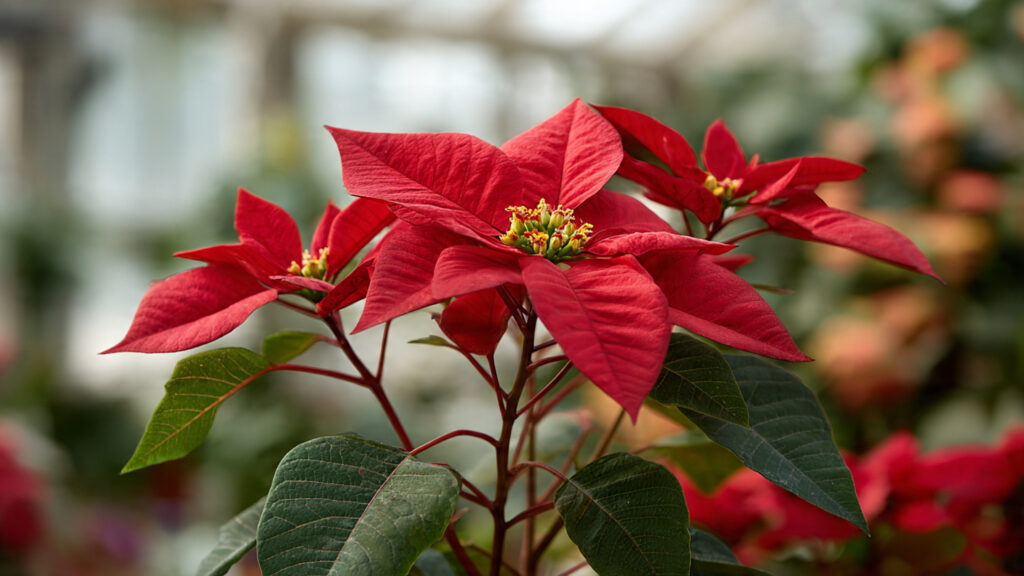
As the holiday season winds down, many plant lovers find themselves facing a colorful challenge: keeping their poinsettia healthy and vibrant well into the new year. While December’s festive lights and cheerful displays make poinsettias a household star, January is the month when these plants truly need careful attention to maintain fresh growth and encourage new flowers for the upcoming seasons. Understanding your poinsettia’s specific needs this month can make all the difference between a dull, droopy plant and one that thrives beautifully.
1. Understanding the Poinsettia’s January Needs
Poinsettias are native to Mexico, where they flourish in bright, indirect sunlight and warm temperatures. After the busy holiday season, they often show signs of stress from indoor heating, inconsistent watering, and low humidity. In January, your plant’s main priorities shift from just surviving the holiday display to preparing for new growth and flower cycles.
Key points to consider:
- Light requirements: Poinsettias need at least 6 hours of bright, indirect sunlight daily. A south- or west-facing window is ideal. Lack of light can cause leaves to fade and drop.
- Temperature stability: Keep your poinsettia in a room between 65–70°F during the day and slightly cooler at night. Sudden drafts or near-heating vents can stress the plant.
- Watering balance: Overwatering is a common mistake in January. Allow the soil to dry slightly between waterings while ensuring the plant never sits in water.
By focusing on these basics, you create the foundation for fresh growth in the months ahead.
2. Pruning for Encouraging Fresh Growth
Once the holiday season is over, poinsettias often have long, leggy stems that need some shaping. January is the perfect time to prune and prepare your plant for a rejuvenated growth cycle.
Pruning tips:
- Use clean, sharp scissors or pruning shears.
- Remove faded or yellow leaves first to reduce stress on the plant.
- Trim back stems to encourage bushier growth. Cutting just above a leaf node stimulates new shoots.
Pruning not only improves the plant’s appearance but also channels energy into producing new leaves and flowers. Remember, don’t over-prune—about one-third of the plant can be safely removed in January.
3. Re-potting and Refreshing the Soil
If your poinsettia has been in the same container for several months, January is an excellent time to re-pot and refresh its soil. Over time, the soil can become compacted, losing nutrients and proper drainage. Fresh, well-draining soil helps your plant absorb nutrients efficiently, fueling both leaf development and flower production.
Steps for re-potting:
- Select a container slightly larger than the current pot with drainage holes.
- Gently remove the plant, loosening the root ball without damaging the roots.
- Place fresh soil in the bottom of the pot, position the plant, and fill in around the roots.
- Water lightly to help the soil settle and avoid shocking the plant.
Re-potting ensures your poinsettia has a healthy environment to thrive throughout the year.
4. Nutrient Boost for Healthy Growth
After months of decorative care, poinsettias need a nutrient boost in January to prepare for fresh growth. A balanced, water-soluble fertilizer with a ratio such as 10-10-10 or 20-20-20 works well.
Fertilizing tips:
- Apply fertilizer once every 4–6 weeks.
- Follow the manufacturer’s instructions for dilution—over-fertilization can harm roots.
- Focus on feeding during the growing season (January to March), as this is when the plant begins producing new leaves and shoots.
A proper feeding schedule helps the poinsettia maintain vibrant colors and healthy foliage, laying the groundwork for spectacular flowers later.
5. Controlling Humidity and Indoor Environment
One of the biggest challenges for poinsettias in January is low indoor humidity. Central heating systems often dry the air, causing leaves to curl or drop. Maintaining a moderate level of humidity is key for fresh growth.
Solutions to improve humidity:
➡️ How to Grow Malabar Spinach from Cuttings for Fast, Easy Greens
➡️ How to Grow Super Delicious Cabbage at Home Without a Garden
➡️ How to Grow Bean Sprouts at Home in Plastic Bottles Easily (Step‑by‑Step Guide)
➡️ Why is Your Lemon Tree Blooming in the Heart of Winter?
➡️ Why Should Your Garden Have a Dedicated Pollinator Highway?
➡️ Why Do Your Fruit Trees Need a Winter Wash to Thrive in Spring?
➡️ How Can Rice Water Transform Your Fruits into Sweeter Delights?
➡️ Jumpstart Your Winter Garden: Seed Starting Under Lights
- Place a shallow tray of water near the plant to increase ambient moisture.
- Group plants together, creating a mini microclimate with higher humidity.
- Use a humidifier in rooms with consistent temperature and dryness.
Keeping your poinsettia comfortable in its environment encourages stronger stems, healthier leaves, and ultimately better flower development.
6. Light Management for Early Flower Formation
Poinsettias are short-day plants, meaning they require long nights to trigger the flowering process. Even after the holidays, understanding how light impacts your plant is crucial if you want blooms in the future.
Light tips for January:
- Provide at least 6 hours of bright, indirect daylight.
- Avoid artificial light in the evening if you plan for next season’s blooms; darkness signals the plant to form flower buds.
- Rotate the plant weekly so all sides receive light evenly.
Correct light management now ensures your poinsettia develops the strength and energy needed to produce fresh flowers in the months to come.
7. Monitoring Pests and Diseases
Even a seemingly healthy poinsettia can harbor pests after the holidays. Common offenders include spider mites, whiteflies, and mealybugs, which thrive in dry winter conditions.
Preventive measures:
- Inspect leaves and stems weekly. Look for tiny webs, sticky residues, or discolored spots.
- Wipe leaves with a damp cloth or mild insecticidal soap if pests appear.
- Maintain clean pots and remove fallen leaves promptly to reduce disease risk.
By staying proactive in January, you can protect your poinsettia from issues that could hinder fresh growth and flowering later.
8. Encouraging New Flower Buds for Next Season
While your poinsettia may no longer be in full holiday bloom, January care sets the stage for future flowers. Proper pruning, fertilizing, and light management collectively support the development of flower buds that will bloom months later.
Tips for flower development:
- Keep the plant healthy with consistent water, light, and nutrients.
- Gradually increase exposure to cooler nights (around 60°F) if possible—this simulates natural seasonal cues.
- Avoid cutting all stems to allow some branches to develop buds for the next flowering cycle.
With the right balance of care, your poinsettia can recover from holiday stress and emerge even more vibrant for the next season.