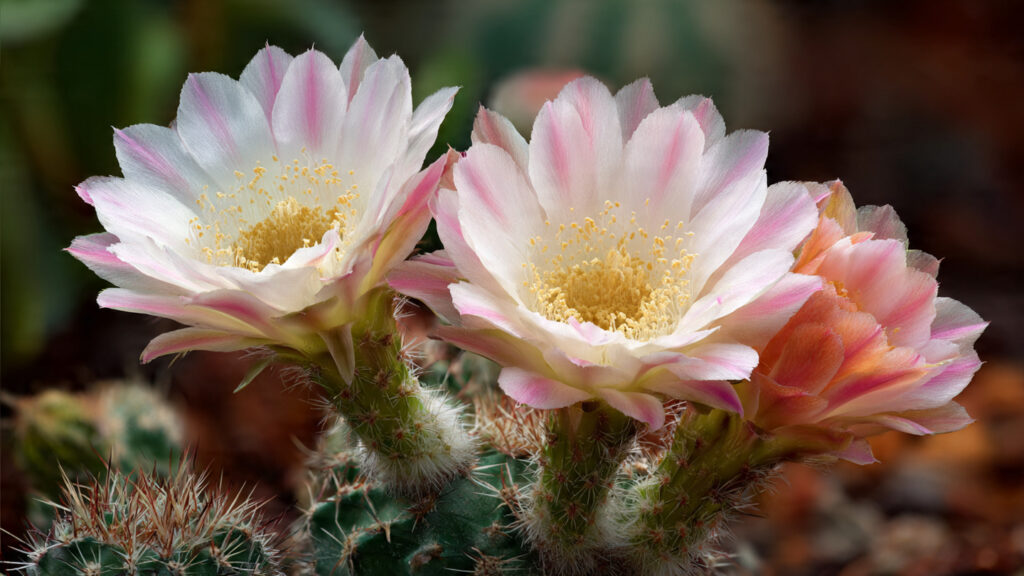
Cacti are often admired for their sculptural shapes, resilience, and low-maintenance charm. But what truly captures the heart of plant lovers is something many people rarely witness: cactus flowers. These blooms can be vibrant, dramatic, and surprisingly delicate — appearing almost like a secret reward for patient growers.
If you’ve ever wondered why your cactus isn’t flowering, or what the hidden trick is to unlocking those stunning blooms, you’re not alone. The truth is, cactus flowering isn’t random. It’s triggered by specific environmental conditions that mimic the plant’s natural habitat. Once you understand these conditions, you can reliably encourage your cactus to bloom year after year.
Let’s uncover the real secret.
Understanding How Cacti Bloom
Most cacti belong to the family Cactaceae and are native to arid and semi-arid regions. Popular genera like Mammillaria, Echinopsis, Gymnocalycium, and the iconic Saguaro all bloom under the right conditions — but those conditions vary slightly depending on species.
In the wild, cacti bloom after experiencing a cycle of intense sunlight, seasonal temperature changes, and periods of drought followed by rainfall. Indoors, we must recreate these cues artificially.
The hidden trick?
It’s not more water or fertilizer — it’s controlled stress combined with seasonal rest.
The Most Important Secret: Winter Dormancy
The single biggest reason most cacti fail to bloom is lack of dormancy.
In nature, many desert cacti experience a cool, dry winter period. During this time:
- Growth slows dramatically
- Water becomes scarce
- Night temperatures drop
This dormant phase signals to the cactus that it’s time to prepare for flowering when conditions improve.
How to Create Dormancy at Home
During late fall and winter:
- Reduce watering significantly (once every 3–4 weeks or less)
- Keep the plant in a cooler room (10–15°C if possible)
- Stop fertilizing completely
- Ensure bright light but minimal warmth
This rest period typically lasts 2–3 months. When spring arrives and you gradually resume watering, the plant interprets this as the rainy season — triggering flower bud development.
Without dormancy, most desert cacti simply continue vegetative growth and never form buds.
Sunlight: The Fuel for Flowers
Cacti need strong light to store energy for blooming.
Many indoor cacti fail to flower because they’re placed in low-light rooms. Even if the plant looks healthy, insufficient light prevents bud formation.
For best results:
➡️ How to Grow Malabar Spinach from Cuttings for Fast, Easy Greens
➡️ How to Grow Super Delicious Cabbage at Home Without a Garden
➡️ How to Grow Bean Sprouts at Home in Plastic Bottles Easily (Step‑by‑Step Guide)
➡️ Why is Your Lemon Tree Blooming in the Heart of Winter?
➡️ Why Should Your Garden Have a Dedicated Pollinator Highway?
➡️ Why Do Your Fruit Trees Need a Winter Wash to Thrive in Spring?
➡️ How Can Rice Water Transform Your Fruits into Sweeter Delights?
➡️ Jumpstart Your Winter Garden: Seed Starting Under Lights
- Provide 4–6 hours of direct sunlight daily
- South-facing windows are ideal
- Supplement with grow lights if necessary
Species like Echinopsis especially require bright light to produce their large, dramatic blooms.
If your cactus stretches or leans, it’s likely not receiving enough light.
The Right Watering Rhythm
Overwatering is one of the most common mistakes in cactus care. Excess water keeps the plant in active growth mode, which discourages flowering.
Ideal Watering Schedule
Spring and summer:
- Water deeply but only when soil is completely dry.
Autumn:
- Gradually reduce watering.
Winter:
- Water sparingly or not at all (depending on species and environment).
This rhythm mimics desert rainfall cycles and supports blooming.
Temperature Fluctuations Matter
Temperature differences between day and night help trigger flowering.
Many desert cacti naturally experience warm days and cool nights. Replicating this indoors can significantly improve bloom chances.
Tips:
- Keep plants near a window where nighttime temperatures drop slightly.
- Avoid placing them near heaters during winter.
- Provide cooler winter conditions for dormancy.
A consistent warm environment year-round may prevent flower initiation.
Don’t Rush Young Plants
Patience is essential.
Some cacti take several years to reach maturity before flowering. For example:
- Mammillaria may bloom within 2–3 years.
- Saguaro can take decades in the wild.
If your cactus is still small, it may simply not be mature enough yet.
Healthy roots and gradual growth are prerequisites for blooms.
Soil and Potting Conditions
Cacti require extremely well-draining soil.
Use a mix containing:
- Coarse sand
- Perlite or pumice
- Cactus potting soil
Poor drainage leads to root rot, which prevents blooming and can kill the plant.
Additionally:
- Use pots with drainage holes.
- Avoid oversized containers.
- Repot every 2–3 years to refresh soil.
Slightly root-bound plants often bloom better than those in large pots.
Fertilizer: Less Is More
Many growers assume fertilizer encourages flowers. In reality, too much nitrogen promotes leafy or stem growth instead of blooms.
Use:
- A low-nitrogen, balanced cactus fertilizer.
- Feed lightly during spring and early summer only.
- Stop feeding in late summer to prepare for dormancy.
Think of fertilizer as supportive, not the main trigger.
The Role of Stress
This may sound surprising, but mild stress encourages flowering.
In the wild, cacti bloom after surviving dry, harsh conditions. The plant senses improved conditions as an opportunity to reproduce.
Controlled stress includes:
- Dry winter period
- Slight temperature drops
- Limited nutrients
However, stress should be mild — never extreme neglect.
Common Mistakes That Prevent Blooming
1. Overwatering Year-Round
Keeps plant in growth mode without triggering buds.
2. No Dormancy Period
Without winter rest, flowering signals never activate.
3. Insufficient Sunlight
Energy production is too low for blooms.
4. Over-Fertilizing
Encourages green growth instead of flowers.
5. Moving the Plant During Bud Formation
Once buds appear, avoid rotating or relocating the plant. Sudden changes can cause bud drop.
Special Case: Holiday Cacti
Not all cacti are desert types. Tropical species like Schlumbergera (commonly known as Christmas cactus) require slightly different care.
These cacti bloom in response to:
- Short daylight hours
- Cool nights
- Consistent moisture (not drought)
Unlike desert cacti, they prefer indirect light and slightly higher humidity.
Understanding your specific cactus species is key.
How to Know Buds Are Forming
Flower buds usually appear as small rounded protrusions near the crown or along ribs.
Once buds develop:
- Maintain consistent conditions.
- Avoid sudden watering changes.
- Do not rotate the pot.
Within weeks, blooms may open — sometimes lasting just a day, as seen in many Echinopsis varieties.
The Emotional Reward of Patience
Cactus flowers often appear unexpectedly after months of seemingly unchanged growth. That dramatic bloom feels like a quiet triumph — a reward for careful observation and patience.
Unlike fast-growing houseplants, cacti teach delayed gratification. Their blooms are rare, brief, and breathtaking.
Step-by-Step Bloom Strategy Summary
- Provide bright direct sunlight.
- Use well-draining cactus soil.
- Water deeply but infrequently.
- Reduce watering in autumn.
- Provide cool, dry winter dormancy.
- Resume watering gradually in spring.
- Fertilize lightly during active growth.
- Be patient with immature plants.
Follow this cycle consistently each year.
Final Thoughts
The hidden trick to making your cactus bloom isn’t a magical fertilizer or secret spray. It’s understanding the plant’s natural rhythm and respecting its seasonal needs.
By mimicking desert conditions — especially winter dormancy and bright sunlight — you activate the biological signals that trigger flowering.
Cacti bloom not because they are pampered constantly, but because they experience cycles of rest and renewal.
Once you align your care routine with these natural patterns, your cactus will eventually reward you with spectacular blossoms — sometimes large, fragrant, and impossibly vibrant against a rugged, thorny body.
And when that first flower opens, you’ll realize the true secret was patience, consistency, and working with nature rather than against it.