A garden that smells as good as it looks is a true delight for the senses. Imagine stepping outside and being greeted by the sweet aroma of blooming flowers, the subtle fragrance of herbs, or the earthy scent of lush greenery. A fragrant garden can transform your outdoor space into a sanctuary, boosting your mood, reducing stress, and creating memorable experiences. But the challenge many gardeners face is achieving year-round fragrance. Unlike a single-season garden, a fragrant garden requires thoughtful planning, strategic plant selection, and careful care. In this article, we’ll reveal the secrets to cultivating a garden that smells wonderful all year long.
Understanding Fragrance in Plants
Before diving into plant choices and garden design, it’s important to understand why some plants are fragrant. The scent of flowers, leaves, and even fruits is produced by volatile organic compounds. These compounds serve several purposes in nature:
- Attracting Pollinators: Fragrance draws bees, butterflies, and other insects, which help with pollination.
- Protecting Against Herbivores: Some scents deter pests and grazing animals.
- Signaling Maturity or Ripeness: Fruit and flower aromas can indicate readiness for reproduction.
Different plants produce different types of scents, ranging from sweet and floral to spicy, citrusy, or herbal. Understanding these variations helps in designing a garden with layered and complementary fragrances.
Selecting Plants for Year-Round Fragrance
To achieve a fragrant garden throughout the year, it’s crucial to combine plants that bloom or release scent in different seasons. Here’s a seasonal guide:
Spring
Spring is the season of renewal, and fragrant blooms can welcome the warmer months beautifully. Consider:
- Lilac (Syringa vulgaris): Produces a classic sweet scent that signals the start of spring.
- Daphne (Daphne odora): Compact shrub with intoxicating pink or white blooms.
- Hyacinths: Bulb flowers with strong, heady fragrance, perfect for early spring.
Summer
Summer brings warmth, sun, and the opportunity for lush, aromatic growth. Try:
- Roses: Hybrid teas, old-fashioned roses, and climbing varieties offer classic floral fragrance.
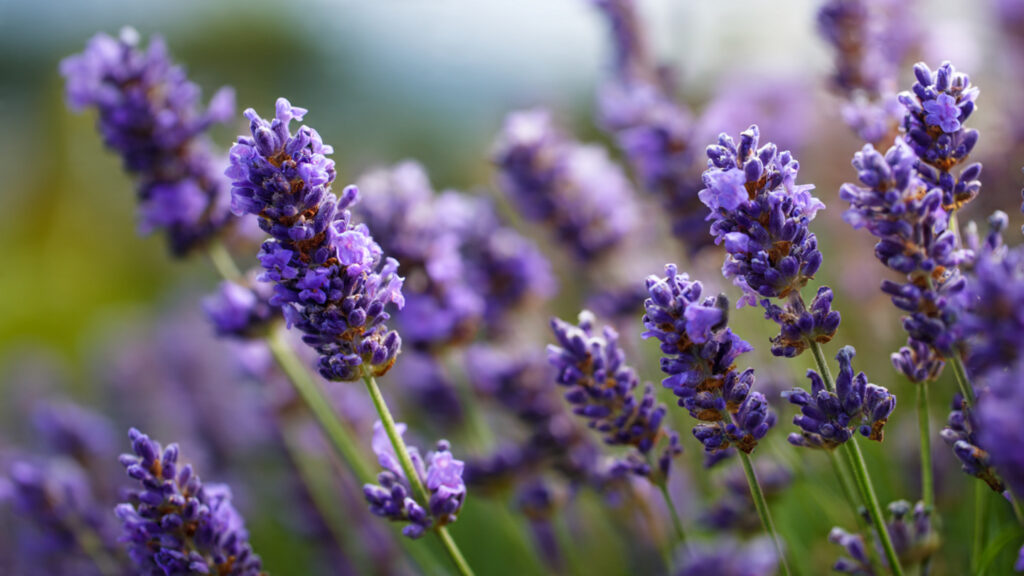
- Lavender (Lavandula spp.): Known for calming, herbaceous scent and versatility in borders or containers.
- Gardenias: White blooms with a rich, sweet aroma ideal for shaded spots.
- Jasmine: Climbing or groundcover varieties with intensely sweet night-time fragrance.
Autumn
Fragrance in fall gardens often comes from herbs, fruits, and late-blooming flowers:
- Sweet Alyssum (Lobularia maritima): Low-growing flowers with honey-like scent.
- Chrysanthemums: Some varieties produce subtle but pleasant autumn aroma.
- Herbs: Sage, rosemary, thyme, and oregano release stronger scents in cooler weather.
Winter
Even in winter, fragrance is possible with hardy shrubs and evergreens:
- Witch Hazel (Hamamelis): Unique spicy-sweet scent in bare winter branches.
- Winter Jasmine (Jasminum nudiflorum): Bright yellow blooms with a delicate fragrance.
- Camellias: Certain varieties flower in winter, offering soft floral notes.
By combining plants with staggered bloom times and scented foliage, you can maintain a garden that delights the nose in every season.
Using Herbs to Boost Fragrance
Herbs are an excellent addition to a fragrant garden because they release scent throughout their growth cycle, not just when flowering. Consider these aromatic herbs:
- Mint: Refreshing, crisp scent; best grown in containers to prevent spreading.
- Basil: Sweet, spicy aroma that intensifies in warm weather.
- Rosemary: Piney fragrance that persists year-round in mild climates.
- Thyme: Low-growing, fragrant leaves suitable for borders and groundcover.
- Lemon Balm: Citrus aroma that can complement floral scents.
Incorporating herbs alongside flowers allows gardeners to mix leaf textures and scents, creating a multi-layered sensory experience.
Strategic Garden Design for Maximum Fragrance
Even the most fragrant plants need the right placement to fill your garden with scent. Consider the following design strategies:
1. Layering Plants
- Place taller, fragrant plants at the back or center of the garden.
- Medium-height plants go in the middle, while low-growing herbs or alyssum fill the front.
- Layering creates microclimates that help scent travel and ensures fragrances are noticeable at multiple levels.
2. Scent Pathways
- Position highly aromatic plants near walkways, patios, and seating areas.
- When people brush against leaves or flowers, scents are released.
- Consider fragrant plants at eye level to enhance the olfactory experience.
3. Climbing Plants
- Use trellises, pergolas, or arbors to grow climbing scented plants like jasmine, honeysuckle, or climbing roses.
- Elevated fragrance disperses through the garden more effectively than ground-level blooms.
4. Containers and Pocket Gardens
- Containers allow fragrant plants to be moved closer to doors, windows, or seating areas.
- Small pockets of aromatic plants throughout the garden maintain scent distribution even in larger spaces.
Encouraging Continuous Flowering
To achieve fragrance year-round, continuous flowering is key. Here’s how to encourage blooms:
- Deadheading: Remove spent flowers to stimulate new growth.
- Pruning: Proper pruning improves air circulation and encourages healthy flowering.
- Fertilizing: Use slow-release or liquid fertilizers suited to your plants’ needs.
- Watering: Consistent moisture supports sustained flowering without causing root stress.
- Plant Selection: Choose repeat-flowering varieties or perennial blooms for longer scent periods.
Maintaining healthy, actively flowering plants ensures that fragrance is not limited to brief seasonal windows.
Night vs. Day Fragrance
Many fragrant plants release scents at specific times:
➡️ How to Grow Malabar Spinach from Cuttings for Fast, Easy Greens
➡️ How to Grow Super Delicious Cabbage at Home Without a Garden
➡️ How to Grow Bean Sprouts at Home in Plastic Bottles Easily (Step‑by‑Step Guide)
➡️ Why is Your Lemon Tree Blooming in the Heart of Winter?
➡️ Why Should Your Garden Have a Dedicated Pollinator Highway?
➡️ Why Do Your Fruit Trees Need a Winter Wash to Thrive in Spring?
➡️ How Can Rice Water Transform Your Fruits into Sweeter Delights?
➡️ Jumpstart Your Winter Garden: Seed Starting Under Lights
- Day-blooming flowers such as roses, lavender, and gardenia emit aroma when sunlight is abundant.
- Night-blooming flowers like jasmine or evening primrose release scent in the evening to attract nocturnal pollinators.
A combination of day- and night-fragrant plants ensures that your garden is aromatic around the clock. Night fragrances are particularly effective near seating areas, patios, or garden paths where you enjoy evening relaxation.
Additional Tips for Maintaining a Fragrant Garden
- Soil Health: Fragrant plants thrive in nutrient-rich, well-draining soil. Regular compost addition promotes healthy foliage and flowers.
- Mulching: Retains moisture and protects root systems, allowing plants to flourish and produce more blooms.
- Avoid Strong Pesticides: Chemicals can diminish natural fragrance and harm pollinators. Use organic alternatives whenever possible.
- Climate Considerations: Understand your local climate and plant accordingly; some fragrant plants may need protection in extreme temperatures.
- Companion Planting: Combine complementary scents for a layered aromatic effect—like pairing rosemary with lavender or mint with sweet alyssum.
By focusing on these practical elements, you can maximize fragrance without compromising plant health or garden aesthetics.
Fragrance Beyond Flowers
A truly aromatic garden goes beyond blooms. Consider these additional elements:
- Foliage Scent: Plants like lemon verbena, scented geraniums, and eucalyptus release scent from leaves when brushed or crushed.
- Fruits and Berries: Ripe strawberries, raspberries, or citrus trees can add subtle aroma to your garden.
- Evergreens: Many evergreens, including pines, junipers, and firs, emit refreshing scents that persist even in winter.
Combining floral, herbal, and foliage fragrances ensures a multi-sensory garden experience throughout the year.
Conclusion
Creating a fragrant garden all year long is a combination of art and science. By understanding plant scents, carefully selecting flowers and herbs for different seasons, and designing for optimal placement and layering, you can enjoy a continuous olfactory delight. Incorporating night- and day-fragrant plants, maintaining healthy soil, and using strategic pruning and fertilization are essential steps toward a garden that smells wonderful in every season.
A fragrant garden does more than please the senses—it creates an emotional connection, enhances well-being, and transforms outdoor spaces into personal sanctuaries. With thoughtful planning and consistent care, your garden can become a place where flowers bloom, herbs flourish, and delightful aromas greet you year-round.
Start planning today, mix seasonal blooms with aromatic foliage, and let your garden become a living perfume that enchants every visitor, morning, noon, and night.