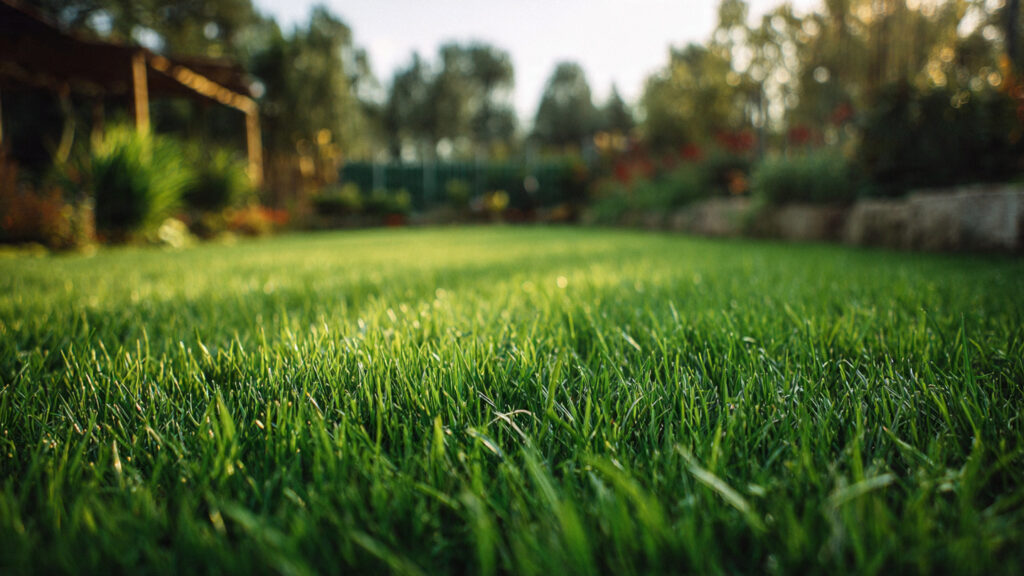
A lush green lawn and a thriving garden don’t happen by accident. Behind every vibrant yard is a smart fertilization plan that provides plants with the nutrients they need at the right time. Many gardeners either over-fertilize, under-fertilize, or apply nutrients at the wrong stage of growth, which can lead to weak plants, poor flowering, pest problems, and even environmental damage.
Understanding when and how to fertilize properly can dramatically improve plant strength, color, root development, and overall health. This complete guide will walk you through the essentials of lawn and garden fertilization so you can achieve stronger, healthier growth throughout the year.
Why Fertilization Matters
Plants require essential nutrients to grow. While soil naturally contains some nutrients, they become depleted over time due to rainfall, harvesting, mowing, and plant uptake. Fertilizers replenish these nutrients, ensuring that lawns and garden plants receive adequate nourishment.
The three primary nutrients found in most fertilizers are:
- Nitrogen (N): Promotes leafy growth and vibrant green color
- Phosphorus (P): Supports root development and flowering
- Potassium (K): Strengthens plant resilience and disease resistance
This combination is often labeled as the N-P-K ratio on fertilizer packaging.
When applied correctly, fertilizer improves:
- Root depth
- Leaf color and density
- Flower and fruit production
- Resistance to drought and disease
However, timing and technique are just as important as the nutrients themselves.
When to Fertilize Your Lawn
The timing of lawn fertilization depends on your grass type and climate. Grasses are generally categorized into cool-season and warm-season types.
Cool-Season Grasses
Cool-season grasses grow most actively in spring and fall. The best fertilization times are:
- Early Spring: Light feeding to support green-up
- Early Fall: Strong feeding to promote root development
- Late Fall: Optional feeding to strengthen winter survival
Avoid heavy fertilization during hot summer months, as grass growth slows and excess nutrients may burn the lawn.
Warm-Season Grasses
Warm-season grasses thrive in summer heat. Fertilize:
- Late Spring: After grass begins active growth
- Mid-Summer: To maintain strength and color
Avoid fertilizing too early in spring before the grass has fully awakened from dormancy.
When to Fertilize Garden Plants
Garden fertilization depends on plant type. Vegetables, flowers, shrubs, and trees all have different nutritional needs.
Vegetable Gardens
- Apply compost or balanced fertilizer before planting
- Feed heavy feeders (like tomatoes and corn) every 3–4 weeks
- Reduce nitrogen once fruiting begins to encourage production
Flower Beds
- Fertilize at planting time
- Apply bloom-boosting fertilizer during flowering season
- Avoid overfeeding, which can produce leaves instead of blooms
Shrubs and Trees
- Fertilize in early spring before new growth appears
- Avoid late-season fertilization that encourages tender growth before winter
Understanding each plant’s growth cycle ensures nutrients are available when needed most.
How to Choose the Right Fertilizer
Fertilizers come in various forms, and selecting the right type makes a significant difference.
➡️ How to Grow Malabar Spinach from Cuttings for Fast, Easy Greens
➡️ How to Grow Super Delicious Cabbage at Home Without a Garden
➡️ How to Grow Bean Sprouts at Home in Plastic Bottles Easily (Step‑by‑Step Guide)
➡️ Why is Your Lemon Tree Blooming in the Heart of Winter?
➡️ Why Should Your Garden Have a Dedicated Pollinator Highway?
➡️ Why Do Your Fruit Trees Need a Winter Wash to Thrive in Spring?
➡️ How Can Rice Water Transform Your Fruits into Sweeter Delights?
➡️ Jumpstart Your Winter Garden: Seed Starting Under Lights
Granular Fertilizers
- Slow-release formula
- Easy to apply with spreaders
- Ideal for lawns
These provide steady nutrients over time, reducing the risk of burning plants.
Liquid Fertilizers
- Fast-acting
- Easily absorbed
- Great for quick nutrient boosts
These require more frequent applications but deliver rapid results.
Organic Fertilizers
- Derived from natural sources
- Improve soil structure
- Release nutrients slowly
Examples include compost, manure, bone meal, and fish emulsion. Organic options are environmentally friendly and enhance long-term soil health.
How to Fertilize Your Lawn Properly
Applying fertilizer correctly prevents patchy growth and nutrient runoff.
Step 1: Test Your Soil
A soil test reveals nutrient deficiencies and pH imbalances. Without testing, you’re guessing what your lawn needs.
Step 2: Mow Before Fertilizing
Cut grass to normal height before application. This allows fertilizer to reach the soil surface more effectively.
Step 3: Use a Spreader
Apply granular fertilizer evenly using a broadcast or drop spreader. Uneven distribution can cause streaking.
Step 4: Water After Application
Light watering helps nutrients soak into the soil and reduces the risk of burning grass blades.
Avoid fertilizing before heavy rainfall, as nutrients may wash away into drains and waterways.
How to Fertilize Garden Plants Properly
Fertilizing garden beds requires a slightly different approach.
Base Application
Before planting, mix compost or balanced fertilizer into the soil. This builds a nutrient-rich foundation.
Side Dressing
For vegetables, sprinkle fertilizer along plant rows a few inches away from stems. Water thoroughly afterward.
Foliar Feeding
Liquid fertilizer sprayed on leaves provides rapid absorption. Apply in the early morning or evening to prevent leaf burn.
Container Plants
Potted plants require more frequent feeding since nutrients leach out quickly. Use diluted liquid fertilizer every 2–3 weeks during active growth.
Signs You’re Fertilizing Correctly
Healthy fertilization practices lead to visible improvements:
- Deep green foliage
- Strong stems
- Consistent growth
- Abundant flowers and fruit
If plants appear weak despite feeding, reassess watering, sunlight, and soil health.
Common Fertilization Mistakes to Avoid
Many gardeners unintentionally harm plants through improper fertilization.
Over-Fertilizing
Excess nutrients can burn roots, cause excessive leaf growth, and weaken plants. More is not better.
Fertilizing Dry Soil
Applying fertilizer to dry soil increases burn risk. Water lightly beforehand if soil is dry.
Ignoring Timing
Feeding plants when they are dormant wastes nutrients and may stress them.
Skipping Soil Tests
Applying nutrients without knowing deficiencies can create imbalances.
Avoiding these mistakes ensures healthier lawns and gardens.
The Role of Soil Health
Fertilizer is not a substitute for healthy soil. Improving soil structure enhances nutrient absorption.
Add organic matter regularly to:
- Improve drainage
- Increase moisture retention
- Encourage beneficial microbes
Healthy soil reduces the need for heavy fertilization and promotes long-term sustainability.
Seasonal Fertilization Calendar Overview
Here’s a simple yearly guide:
Spring:
- Light lawn feeding
- Fertilize vegetables at planting
Summer:
- Feed warm-season grasses
- Maintain vegetable feeding schedule
Fall:
- Strengthen cool-season lawns
- Fertilize shrubs and trees
Winter:
- Generally avoid fertilizing except in mild climates
Adjust timing based on your local climate and plant types.
Eco-Friendly Fertilizing Practices
Responsible fertilization protects the environment.
- Avoid over-application
- Keep fertilizer off sidewalks and driveways
- Use slow-release formulas
- Incorporate organic compost
Excess nutrients can pollute water systems, so applying only what your plants need benefits both your garden and the ecosystem.
Final Thoughts
Fertilizing your lawn and garden properly is one of the most impactful steps you can take to achieve stronger, healthier growth. By understanding plant needs, choosing the right fertilizer, and applying it at the correct time, you create an environment where roots grow deeper, foliage becomes richer, and flowers bloom more abundantly.
The key principles are simple: test your soil, fertilize during active growth periods, apply evenly, and avoid overfeeding. Combined with proper watering, sunlight, and maintenance, thoughtful fertilization transforms ordinary lawns and gardens into thriving landscapes.
With a strategic fertilizing plan in place, you’ll enjoy a greener lawn, more productive vegetable beds, and vibrant flower displays season after season.