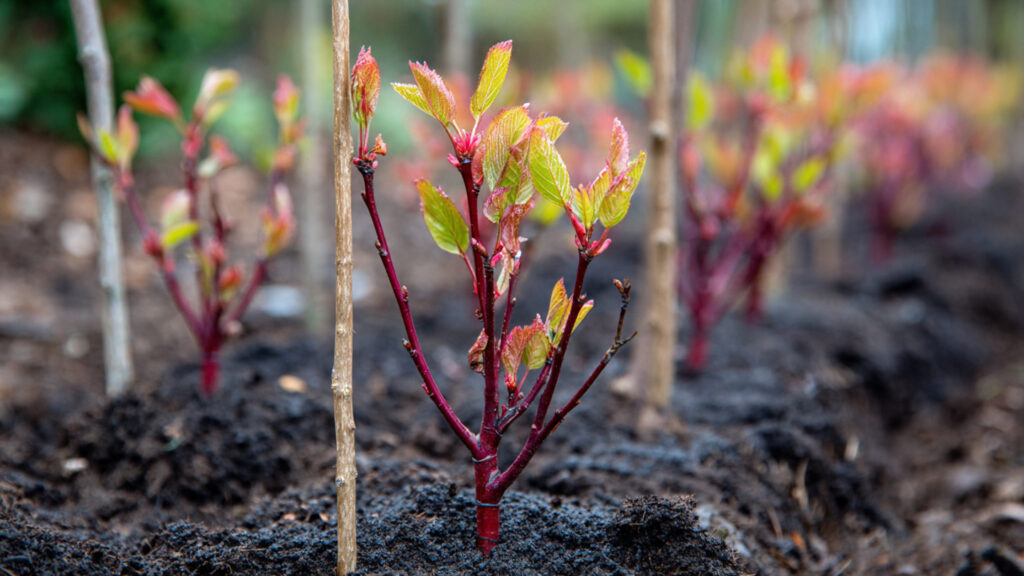
Planting fruit trees is one of the most rewarding gardening projects, offering beauty, shade, and the promise of delicious, homegrown fruits. Among the various methods of planting, bare-root fruit trees are a popular choice for many gardeners due to their affordability, ease of transport, and strong establishment when planted correctly. But timing is critical—plant too early or too late, and you could compromise growth or even lose your tree. In this guide, we’ll explore exactly when and how to plant bare-root fruit trees for successful spring growth, ensuring your orchard thrives year after year.
Understanding Bare-Root Fruit Trees
Bare-root fruit trees are trees sold without soil around their roots. They are typically dormant, which makes them easier to ship and plant. This dormancy period is actually an advantage because it reduces stress on the tree, allowing it to establish quickly once planted.
Some common bare-root fruit trees include:
- Apple trees
- Pear trees
- Peach trees
- Cherry trees
- Plum trees
Unlike potted trees, bare-root trees require careful handling and precise timing, as their roots are exposed and vulnerable. Proper planting ensures they quickly adapt to their new environment and produce healthy growth in the spring.
Why Timing Matters
The most critical factor for bare-root tree success is planting at the right time. These trees are dormant during winter, meaning they are not actively growing. Planting during dormancy ensures the roots have time to establish before the tree begins its growth cycle in spring.
Plant too early: The soil may be too cold or wet, increasing the risk of root rot or frost damage.
Plant too late: The tree may begin to leaf out before the roots are established, causing stress, poor growth, and even tree failure.
For most regions, late winter to early spring—before buds begin to swell—is ideal for planting bare-root fruit trees. The exact timing depends on your local climate and soil conditions.
Step 1: Determining Your Local Planting Window
To identify the perfect planting window, consider these factors:
- Climate zone: Consult a USDA Hardiness Zone map or your local agricultural extension office to determine the average last frost date in your area.
- Soil temperature: Bare-root trees prefer soil temperatures between 40°F and 50°F (4°C to 10°C) for root growth. Soil that is still frozen or waterlogged is unsuitable.
- Dormancy stage: Plant while trees are fully dormant, before swelling buds or leaf emergence. This ensures the tree directs energy to root establishment rather than new shoots.
By assessing your climate and soil, you can pinpoint the optimal planting window that maximizes survival and encourages strong spring growth.
Step 2: Preparing the Site
Bare-root fruit trees need a well-prepared site to thrive. A healthy location ensures proper root development and minimizes transplant shock.
Site selection tips:
- Sunlight: Choose a spot that receives at least 6–8 hours of full sunlight per day.
- Soil drainage: Avoid low-lying areas prone to waterlogging.
- Soil fertility: Loamy, well-draining soil enriched with organic matter is ideal.
Soil preparation steps:
- Clear the area: Remove weeds, grass, and debris around the planting site.
- Loosen the soil: Dig a hole 2–3 times wider than the root system but no deeper than the roots themselves.
- Add compost: Mix in compost or aged manure to improve fertility and soil structure.
Proper site preparation ensures your bare-root fruit tree starts life in optimal conditions for spring growth.
Step 3: Handling Bare-Root Trees Carefully
Handling bare-root trees correctly is essential to prevent damage and promote healthy growth.
Important tips:
➡️ How to Grow Malabar Spinach from Cuttings for Fast, Easy Greens
➡️ How to Grow Super Delicious Cabbage at Home Without a Garden
➡️ How to Grow Bean Sprouts at Home in Plastic Bottles Easily (Step‑by‑Step Guide)
➡️ Why is Your Lemon Tree Blooming in the Heart of Winter?
➡️ Why Should Your Garden Have a Dedicated Pollinator Highway?
➡️ Why Do Your Fruit Trees Need a Winter Wash to Thrive in Spring?
➡️ How Can Rice Water Transform Your Fruits into Sweeter Delights?
➡️ Jumpstart Your Winter Garden: Seed Starting Under Lights
- Keep roots moist: Bare-root trees must be planted soon after purchase. If you cannot plant immediately, keep the roots wrapped in damp burlap or a moist plastic bag.
- Prune damaged roots: Trim broken or dried roots before planting to encourage healthy growth.
- Avoid drying out: Never let roots dry out, as this can kill the tree.
By taking these precautions, you ensure that the tree is ready to thrive once planted, minimizing stress and transplant shock.
Step 4: Planting Bare-Root Trees Correctly
Planting technique is just as important as timing. Follow these steps for successful spring growth:
- Dig a planting hole: Make the hole wide enough for the roots to spread naturally. The depth should allow the graft union (swollen area near the base) to sit slightly above soil level.
- Position the tree: Spread roots evenly and ensure the tree stands straight.
- Backfill with soil: Fill the hole gently, avoiding air pockets. Firm soil lightly with your hands, not your feet.
- Water thoroughly: Water the tree immediately after planting to settle the soil and hydrate roots.
- Mulch: Apply 2–3 inches of mulch around the base to retain moisture and regulate soil temperature.
These steps encourage rapid root establishment, which is critical for vigorous spring growth and a strong first season.
Step 5: Caring for Newly Planted Trees
After planting, ongoing care is key to ensure your bare-root fruit tree thrives.
Watering: Keep soil consistently moist but not waterlogged. New roots require regular hydration, especially during dry spells.
Fertilizing: Avoid heavy fertilization immediately after planting. A light application of balanced fertilizer after the tree begins leafing out supports healthy growth.
Protection: Guard young trees against pests, deer, or accidental damage by using tree guards, fencing, or netting.
Pruning: Minimal pruning is needed initially. Remove broken or crossing branches, but avoid major cuts in the first year.
Consistent care ensures the tree focuses energy on root growth, which is crucial for long-term fruit production.
Step 6: Monitoring for Success
Monitoring your bare-root fruit tree helps catch issues early and improves long-term success.
- Root health: Check for signs of rot or disease. Healthy roots are firm, white, and spread evenly.
- New growth: Leafing and bud development in spring indicate the tree is establishing well.
- Pests and diseases: Look for aphids, leaf curl, or fungal infections and treat promptly.
By actively observing your tree, you can intervene early, ensuring a thriving fruit tree that will produce for many seasons.
Step 7: Key Tips for Maximum Spring Growth
- Plant during dormancy: Never wait until leaves emerge; early planting encourages root establishment.
- Choose the right location: Sunlight, drainage, and soil fertility all affect growth.
- Protect roots: Keep them moist and handle gently.
- Practice proper care: Water, mulch, and minimal early fertilization support strong establishment.
- Use local advice: Consult local nurseries or extension offices for climate-specific recommendations.
Following these tips maximizes your chances of successful spring growth, a strong first season, and long-term fruit production.
Conclusion
Bare-root fruit trees are a fantastic choice for gardeners seeking healthy, productive trees at a lower cost. However, their success hinges on timing, proper planting, and attentive care. Planting too early or too late can stress the tree, while careful handling and proper site preparation can set the stage for vigorous spring growth and bountiful harvests for years to come.
By planting during dormancy, preparing the soil, handling roots with care, and monitoring growth, you can ensure that your bare-root fruit trees flourish. With patience and proper attention, you’ll enjoy a thriving orchard that rewards your efforts with fresh, homegrown fruits season after season.