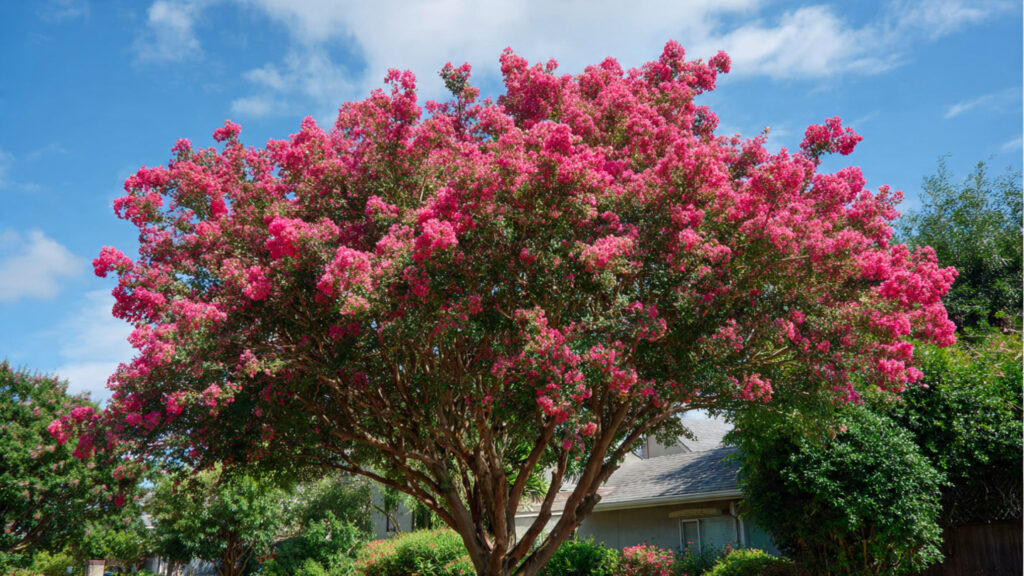
Few landscape trees rival the long-lasting summer color and graceful structure of the crepe myrtle. Known botanically as Lagerstroemia, crepe myrtles are beloved for their vibrant blooms, attractive bark, and relatively low maintenance needs. However, proper pruning is essential if you want strong growth, abundant flowers, and a naturally elegant shape.
One of the most common questions gardeners ask is: When should I prune my crepe myrtle? The answer depends on your climate, your goals, and the condition of the tree. In this guide, we’ll explore the best timing, techniques, and common mistakes to avoid so your crepe myrtle thrives year after year.
Understanding How Crepe Myrtles Grow
Before picking up your pruning shears, it helps to understand how crepe myrtles grow and bloom. These trees flower on new growth, meaning the blossoms develop on shoots produced during the current growing season. This characteristic plays a key role in determining the best time to prune.
Unlike spring-flowering shrubs that bloom on old wood, crepe myrtles benefit from strategic pruning that encourages fresh shoots. Proper timing supports:
- Strong, healthy branches
- Larger and more abundant blooms
- Improved air circulation
- Reduced risk of disease
However, incorrect pruning can weaken the tree, reduce natural beauty, and cause structural problems.
The Best Time to Prune Crepe Myrtles
Late Winter to Early Spring: The Ideal Window
The best time to prune crepe myrtles is late winter to early spring, before new growth begins. In most regions, this falls between February and early April, depending on climate.
During this dormant period:
- The tree is leafless, making its structure easy to see
- Pruning cuts heal quickly once growth starts
- New shoots will emerge vigorously in spring
Because crepe myrtles bloom on new wood, pruning at this time does not remove potential flowers. Instead, it stimulates the production of strong flowering stems.
Avoid Fall Pruning
Pruning in fall is not recommended. Cutting back branches late in the season can:
- Stimulate new growth that may be damaged by frost
- Weaken the tree before winter dormancy
- Increase susceptibility to cold injury
Allow the tree to enter dormancy naturally before making major cuts.
Summer Touch-Ups (Optional)
Light summer pruning is acceptable if needed. For example:
- Removing spent flower clusters (deadheading) can encourage a second bloom cycle in some varieties.
- Eliminating broken or diseased branches can be done anytime.
However, avoid heavy structural pruning during the active growing season.
How to Prune for Healthy Growth
Pruning crepe myrtles correctly is just as important as timing. The goal is to enhance the tree’s natural shape—not drastically reshape it.
1. Remove Dead, Damaged, and Crossing Branches
Start by cutting away:
- Dead wood
- Weak or spindly growth
- Branches rubbing against each other
This improves airflow and reduces disease risk.
➡️ How to Grow Malabar Spinach from Cuttings for Fast, Easy Greens
➡️ How to Grow Super Delicious Cabbage at Home Without a Garden
➡️ How to Grow Bean Sprouts at Home in Plastic Bottles Easily (Step‑by‑Step Guide)
➡️ Why is Your Lemon Tree Blooming in the Heart of Winter?
➡️ Why Should Your Garden Have a Dedicated Pollinator Highway?
➡️ Why Do Your Fruit Trees Need a Winter Wash to Thrive in Spring?
➡️ How Can Rice Water Transform Your Fruits into Sweeter Delights?
➡️ Jumpstart Your Winter Garden: Seed Starting Under Lights
2. Thin Out Crowded Growth
Remove some interior branches to open up the canopy. Better air circulation helps prevent issues like powdery mildew and promotes stronger flowering.
Make clean cuts at the branch collar (where the branch meets the trunk), avoiding flush cuts that damage the bark.
3. Maintain Natural Form
Crepe myrtles can grow as multi-stemmed shrubs or single-trunk trees. Choose the form you prefer and prune accordingly:
- For a tree form, remove lower suckers and maintain a clear trunk.
- For a shrub form, allow multiple stems to grow naturally.
Avoid over-thinning, which can stress the plant.
The Common Mistake: “Crepe Murder”
One of the most widespread pruning errors is aggressively cutting back the tops of crepe myrtles—a practice often referred to as “crepe murder.”
This method involves chopping the main branches down to stubs each year. While it may temporarily control height, it causes several problems:
- Weak, spindly regrowth
- Increased susceptibility to pests and disease
- Large, unsightly knuckles at cut points
- Reduced structural strength
Instead of topping, choose a crepe myrtle variety suited to your space. Many cultivars range from dwarf (3–5 feet) to large tree forms (20–30 feet).
Climate Considerations
Pruning time can vary slightly depending on where you live.
Warm Climates
In warmer regions with mild winters, pruning can begin as early as late January or February. Watch for signs that the tree is still dormant before making cuts.
Colder Regions
In areas prone to late frosts, wait until the coldest part of winter has passed. Pruning too early may expose fresh cuts to freeze damage.
If winter dieback occurs, wait until new growth appears in spring. This allows you to clearly see which branches are alive and which should be removed.
Tools You’ll Need
Using clean, sharp tools ensures smooth cuts and reduces disease risk. Basic tools include:
- Hand pruners (for small branches)
- Loppers (for medium branches)
- Pruning saw (for larger limbs)
Always disinfect tools between trees to prevent spreading pathogens.
Encouraging More Blooms
Because crepe myrtles flower on new growth, moderate pruning can actually enhance blooming. However, more pruning does not always mean more flowers.
For best results:
- Remove only what’s necessary
- Maintain strong branch structure
- Ensure full sun exposure (at least 6 hours daily)
- Fertilize lightly in early spring if soil is poor
Over-fertilizing with nitrogen can promote excessive leafy growth at the expense of blooms.
Dealing With Suckers
Crepe myrtles often produce suckers—small shoots emerging from the base or roots. These can divert energy from the main structure.
Remove suckers:
- As soon as they appear
- By cutting them at ground level
Consistent removal keeps the tree tidy and focused on upward growth.
Pruning Mature vs. Young Trees
Young Trees
During the first few years, focus on shaping and establishing a strong framework. Select three to five main trunks if growing a multi-stem tree.
Remove competing stems early to prevent structural problems later.
Mature Trees
Older crepe myrtles require minimal pruning once established. Simply:
- Remove dead wood
- Thin crowded areas
- Maintain desired height and shape
Avoid drastic reductions that shock the tree.
Signs Your Crepe Myrtle Needs Pruning
While annual late-winter pruning is standard, your tree may need attention sooner if you notice:
- Broken branches after storms
- Diseased or spotted foliage
- Dense, tangled interior growth
- Poor airflow leading to mildew
Prompt correction keeps the tree vigorous and healthy.
Benefits of Proper Pruning
When done correctly and at the right time, pruning offers significant rewards:
- Larger flower clusters
- Stronger branch structure
- Reduced disease pressure
- Improved overall appearance
- Extended lifespan of the tree
Healthy crepe myrtles can live for decades, providing consistent summer color year after year.
Final Thoughts
Pruning crepe myrtles doesn’t have to be intimidating. The key is understanding that these beautiful trees bloom on new growth and respond best to careful, well-timed pruning in late winter or early spring.
Avoid heavy topping, focus on structural health, and respect the plant’s natural form. With thoughtful care, your crepe myrtle will reward you with lush foliage, vibrant blossoms, and striking bark that enhances your landscape season after season.