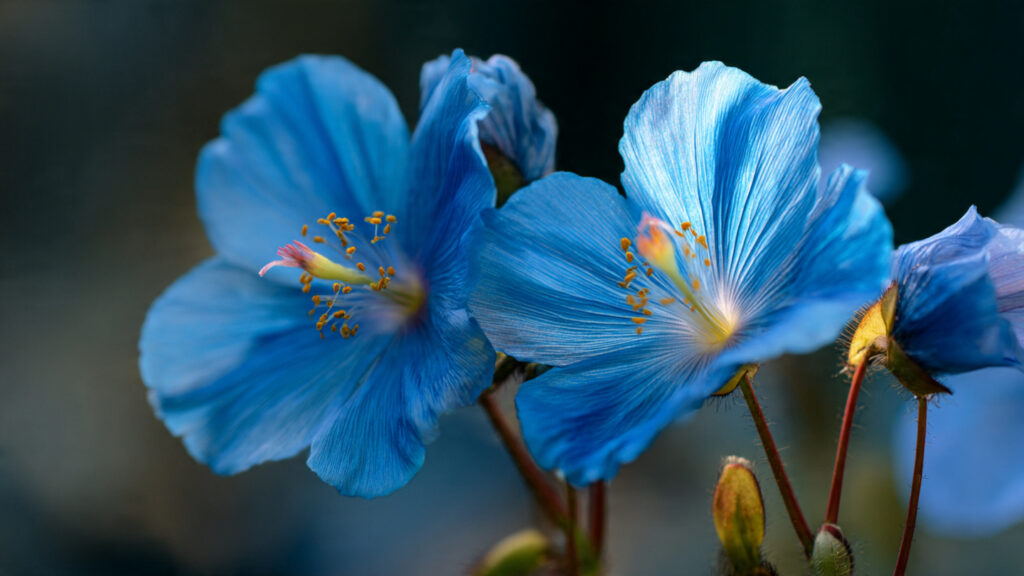
Blue flowers are among the most enchanting and sought-after in gardens worldwide. Their calming hues, striking contrast against green foliage, and rarity make them highly desirable for gardeners and floral enthusiasts alike. However, cultivating blue flowers presents unique challenges. Their rarity is not just a matter of aesthetics—biological and environmental factors make them notoriously difficult to grow successfully. Despite the difficulties, the rewards of growing blue flowers are unparalleled, offering a sense of achievement and garden beauty that few other plants can match.
Here’s a detailed exploration of why blue flowers are so challenging to cultivate and why they remain a gardener’s prized treasure.
1. The Rarity of Blue Pigments in Nature
The first reason blue flowers are difficult to cultivate lies in their very biology. True blue pigments are uncommon in the plant world. Most flowers that appear blue contain a combination of pigments such as anthocyanins, pH factors in the petals, and cell structure to achieve a blue hue.
- Anthocyanins: These water-soluble pigments can appear red, purple, or blue depending on soil pH. Achieving a true blue requires precise conditions.
- pH sensitivity: Slight changes in soil acidity can alter the color, turning blue flowers purple or even pink.
- Genetic limitations: Only a few plant species have the genetic makeup to produce natural blue pigments, making blue blooms less common than red, yellow, or white flowers.
Tip: Choose varieties specifically bred for reliable blue coloration, such as delphiniums, hydrangeas (with soil acidification), or gentians, to improve chances of success.
2. Soil Conditions are Crucial
Blue flowers often require precise soil conditions, which adds to the challenge of cultivation. The soil’s pH, nutrient composition, and texture directly affect bloom color, health, and longevity.
- Hydrangeas: For instance, their blue flowers develop only in acidic soil with a pH of 5.2–5.5 and sufficient aluminum availability.
- Delphiniums and lobelias: These prefer well-draining, fertile soil rich in organic matter. Too much clay or poor drainage can stunt growth.
- Soil monitoring: Regular testing and amendment are necessary to maintain optimal conditions.
Tip: Use organic compost and pH-adjusting agents like sulfur for acid-loving blue plants, and ensure soil is consistently moist but well-drained.
3. Climate Sensitivity
Many blue flowers are sensitive to temperature and humidity, making them difficult to grow outside their ideal climate range.
- Cool-weather lovers: Delphiniums and gentians prefer cooler summers and may struggle in hot, dry climates.
- Humidity concerns: Excessive humidity can promote fungal diseases, while dry air can cause petals to wilt and fade.
- Seasonal care: Blue blooms often need protection from extreme weather, including frost or prolonged heat.
Tip: Plant blue flowers in locations with filtered sunlight or partial shade if necessary, and use mulch to regulate soil temperature and moisture.
4. Pollination and Growth Challenges
Some blue flowers have specialized pollination requirements or slow growth cycles, which make them less predictable in gardens.
- Pollination: Certain species, such as some gentians and delphiniums, require insect pollinators or manual pollination to produce seeds.
- Growth duration: Blue perennials often take longer to establish, with first blooms appearing only in the second or third year.
- Propagation difficulties: Many blue flowers are propagated via cuttings, layering, or specialized seeds, which require skill and patience.
Tip: Learn the specific propagation needs of each blue flower species and plan for multiple growing seasons for optimal results.
5. Watering and Nutrient Balance
Watering blue flowers correctly is critical, as both overwatering and underwatering can affect color intensity, bloom size, and overall plant health.
- Delicate roots: Plants like gentians have shallow roots and require consistent moisture without waterlogging.
- Fertilization: Blue flowers often need a balanced fertilizer with higher phosphorus to encourage blooming, but excessive nitrogen can cause leafy growth at the expense of flowers.
- Micronutrients: Trace elements like magnesium and aluminum can influence color in acid-loving blue flowers.
Tip: Use slow-release fertilizers and monitor soil moisture to avoid stress that can dull flower color.
6. Pest and Disease Susceptibility
Blue flowers are often more vulnerable to pests and diseases due to their delicate petals and slow growth.
- Common pests: Aphids, slugs, and leaf miners can damage leaves and buds, reducing bloom potential.
- Fungal infections: Powdery mildew, root rot, and leaf spot diseases can be devastating, especially in humid conditions.
- Prevention strategies: Ensure proper spacing, air circulation, and soil drainage to reduce disease risk.
Tip: Regular inspection and organic treatments such as neem oil or fungicidal sprays can help maintain healthy blooms.
7. The Reward of Rarity
Despite these challenges, the effort invested in growing blue flowers makes their beauty even more rewarding.
➡️ How to Grow Malabar Spinach from Cuttings for Fast, Easy Greens
➡️ How to Grow Super Delicious Cabbage at Home Without a Garden
➡️ How to Grow Bean Sprouts at Home in Plastic Bottles Easily (Step‑by‑Step Guide)
➡️ Why is Your Lemon Tree Blooming in the Heart of Winter?
➡️ Why Should Your Garden Have a Dedicated Pollinator Highway?
➡️ Why Do Your Fruit Trees Need a Winter Wash to Thrive in Spring?
➡️ How Can Rice Water Transform Your Fruits into Sweeter Delights?
➡️ Jumpstart Your Winter Garden: Seed Starting Under Lights
- Visual impact: Blue blooms stand out dramatically in gardens, offering contrast against greens, whites, and yellows.
- Psychological benefits: Blue is a calming color that can reduce stress, encourage relaxation, and create a serene garden atmosphere.
- Conversation starter: Rare blue flowers often draw admiration from visitors, making them a prized feature in any landscape.
Tip: Pair blue flowers with complementary colors like yellow, white, or pink to maximize visual appeal and create striking garden displays.
8. Encouraging Success Through Smart Gardening Practices
While cultivating blue flowers is challenging, following smart gardening practices can increase your chances of success:
- Select species suited to your climate: Research hardy varieties that can thrive locally.
- Amend soil carefully: Test pH regularly and adjust with sulfur or lime depending on species needs.
- Use mulch: Retains soil moisture and regulates temperature.
- Provide support: Tall blue perennials like delphiniums benefit from staking to prevent wind damage.
- Protect from pests: Use organic deterrents and encourage beneficial insects.
- Prune selectively: Remove dead stems and spent flowers to encourage continued blooming.
- Be patient: Some species bloom slowly; reward comes with consistent care and persistence.
Tip: Maintain a gardening journal to track soil adjustments, watering, fertilization, and bloom cycles to refine your blue flower cultivation strategy.
9. Educational and Emotional Benefits
Cultivating blue flowers isn’t just about aesthetics—it’s also a learning experience.
- Understanding plant science: Growing these delicate flowers teaches gardeners about pH, pigment chemistry, and plant physiology.
- Gardening skills: Patience, attention to detail, and problem-solving are developed through consistent care.
- Emotional satisfaction: Successfully growing rare blue blooms brings a deep sense of achievement and pride.
Tip: Share your gardening journey with others, documenting successes and lessons learned to inspire fellow gardeners.
10. Blue Flowers as Garden Centerpieces
Finally, the reward of cultivating blue flowers extends to the overall garden design. Blue flowers act as natural focal points due to their rarity and visual appeal.
- Contrast and depth: Blue creates a cool, calming contrast with warmer-colored flowers, adding dimension to garden beds.
- Mood enhancement: Strategic placement can create serene meditation areas, reading nooks, or tranquil garden corners.
- Versatility: Blue flowers work well in container gardens, borders, mixed beds, and even hanging baskets.
Tip: Combine blue flowers with silvery foliage or variegated leaves to enhance color vibrancy and create a balanced aesthetic.
Conclusion
Growing blue flowers is undoubtedly challenging. From their rare pigment chemistry and sensitive soil requirements to climate sensitivity, slow growth, and vulnerability to pests, blue blooms test the gardener’s skill, patience, and persistence. Yet the very obstacles that make them difficult also make the rewards extraordinary. A thriving patch of true blue delphiniums, gentians, or hydrangeas offers not only visual splendor but also a sense of accomplishment, emotional satisfaction, and a unique contribution to your garden’s ecosystem.
The effort invested in cultivating blue flowers—careful soil preparation, precise watering, diligent pest control, and patient nurturing—pays off in the form of vibrant, rare, and captivating blooms. Blue flowers teach gardeners valuable lessons in observation, patience, and horticultural science while transforming any garden into a peaceful, visually stunning retreat.
For gardeners willing to embrace the challenge, blue flowers are more than plants—they are living jewels that reward diligence, creativity, and dedication. By understanding the challenges and implementing smart gardening practices, anyone can cultivate these rare beauties and enjoy the unmatched satisfaction of a garden graced with truly enchanting blue blooms.