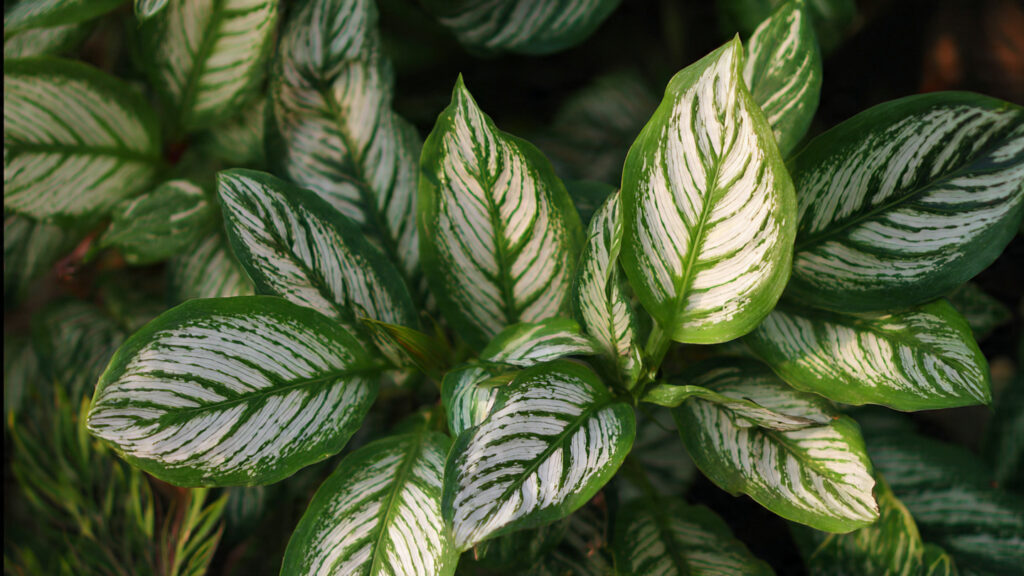
In the world of gardening, few things spark as much fascination, envy, and admiration as rare variegated plants. With their striking patterns of green, white, yellow, pink, or even purple, these unique plants are more than just ornamental—they have become coveted treasures, often considered the ultimate status symbol among horticulturists and plant enthusiasts alike. But what makes variegated plants so desirable, and why are gardeners willing to pay premium prices for them?
In this article, we explore the allure of variegated plants, the science behind their unique patterns, and why these rare botanical beauties have taken the gardening world by storm.
Understanding Variegation in Plants
Variegation refers to the appearance of differently colored zones in the leaves, stems, or even flowers of plants. Unlike solid green foliage, variegated leaves may display:
- White or cream patches (common in many houseplants like Monstera and Pothos)
- Yellow or golden edges
- Pink or red streaks
- Multiple colors in a single leaf, sometimes forming intricate patterns
How Variegation Occurs
Variegation occurs due to genetic mutations, chimeral formations, or viral influence that affect chlorophyll production. Some key types include:
- Genetic Variegation – Naturally occurring mutations in the plant’s DNA that create stable patterns.
- Chimeral Variegation – A mix of normal and mutated cells leads to distinctive patches of color.
- Viral or Environmental Variegation – Stress, light, or viral influence can produce temporary color changes.
While some variegated plants are naturally occurring, others are rare mutations that can take years to propagate, increasing their scarcity and value.
The Allure of Variegated Plants
1. Rarity and Exclusivity
Just like collector’s items in any hobby, rarity drives desirability. Variegated plants are often hard to propagate or produce, making them elusive for many gardeners. For example:
- A rare variegated Monstera deliciosa, often called the Monstera Albo, can sell for thousands of dollars depending on size and pattern.
- Variegated Hoya, Philodendron, or Alocasia species are similarly prized for their scarcity.
Owning a plant with unique and unpredictable patterns is like having a one-of-a-kind piece of living art, which makes it highly coveted.
2. Visual Impact
Variegated plants stand out in any collection due to their striking aesthetic appeal. The contrast between colored and green sections creates dynamic visual interest, enhancing interior spaces and garden beds alike.
- Interior Design: Variegated houseplants like Calathea, Syngonium, and Ficus can elevate living rooms, offices, or entryways.
- Garden Focal Points: In outdoor gardens, variegated foliage adds texture and color contrast to plain greenery, drawing the eye and enhancing landscape design.
The bold patterns and colors give a sense of luxury and sophistication, further cementing their status as status symbols among plant collectors.
3. Symbol of Expertise and Patience
Rare variegated plants are not easy to care for. Many require specific light conditions, careful watering, and attentive maintenance to retain their unique coloration.
Owning and successfully growing such plants signals:
- Gardening Skill: Demonstrates knowledge of propagation, plant health, and environmental requirements.
- Dedication: Shows a commitment to long-term plant care, patience, and attention to detail.
- Discerning Taste: Highlights a gardener’s ability to select and curate rare, visually striking specimens.
Because these plants can be temperamental, having a thriving collection of variegated species is seen as a mark of expertise and horticultural credibility.
4. Investment Potential
Rare variegated plants often increase in value over time, making them an attractive investment for plant collectors. Factors influencing value include:
- Size and Maturity: Larger, mature plants with well-defined variegation command higher prices.
- Pattern Rarity: Unique or striking variegation patterns are more desirable.
- Propagation Difficulty: Plants that are difficult to propagate, such as certain variegated Monstera, Alocasia, or Philodendron species, fetch premium prices.
In some cases, variegated plants have even been sold for tens of thousands of dollars in collector circles, transforming a hobby into a lucrative niche market.
5. Conversation Starters
There’s no denying the wow factor of a beautifully variegated plant. These plants naturally draw attention, making them ideal conversation starters among visitors or fellow gardening enthusiasts.
➡️ How to Grow Malabar Spinach from Cuttings for Fast, Easy Greens
➡️ How to Grow Super Delicious Cabbage at Home Without a Garden
➡️ How to Grow Bean Sprouts at Home in Plastic Bottles Easily (Step‑by‑Step Guide)
➡️ Why is Your Lemon Tree Blooming in the Heart of Winter?
➡️ Why Should Your Garden Have a Dedicated Pollinator Highway?
➡️ Why Do Your Fruit Trees Need a Winter Wash to Thrive in Spring?
➡️ How Can Rice Water Transform Your Fruits into Sweeter Delights?
➡️ Jumpstart Your Winter Garden: Seed Starting Under Lights
- A variegated monstera or variegated fiddle leaf fig in your living room can instantly become a talking point.
- Showcasing rare or hard-to-find species signals not only taste but also dedication to the craft of gardening.
For many, owning these plants is about curation and presentation, much like collecting fine art or rare antiques.
Common Variegated Plants That Have Become Status Symbols
Here are a few examples of variegated plants that have captured the attention of collectors worldwide:
- Monstera Deliciosa ‘Albo Variegata’ – Large leaves with striking white patches; highly sought-after and expensive.
- Philodendron Pink Princess – Black-green leaves with pink splashes; rare patterns make it a collector favorite.
- Alocasia Frydek Variegata – Dark green leaves with white veins; delicate and stunning in any collection.
- Variegated Fiddle Leaf Fig (Ficus Lyrata ‘Variegata’) – Popular as a statement indoor plant.
- Calathea White Fusion – White and green foliage with subtle pink tones; visually dramatic and unique.
These plants combine rarity, beauty, and care requirements, making them ultimate status symbols for plant lovers.
Challenges in Owning Variegated Plants
While desirable, variegated plants come with challenges that set them apart from ordinary greenery:
- Fragility: Less chlorophyll in variegated areas can make them slower-growing and more sensitive to stress.
- Light Requirements: They often need bright, indirect light to maintain coloration. Too little light may cause leaves to revert to all-green.
- Cost: Rare varieties can be prohibitively expensive.
- Propagation Difficulty: Not all variegated plants propagate reliably, adding to their exclusivity.
These challenges contribute to their status. Successfully growing and maintaining these plants signals mastery in plant care.
Tips for Collectors
If you’re considering adding variegated plants to your collection, here are some practical tips:
- Research Each Plant: Understand its light, water, and soil needs before purchasing.
- Invest in Quality Plants: Opt for reputable nurseries or verified sellers to ensure authenticity.
- Provide Optimal Care: Maintain consistent watering, avoid stress, and protect from pests.
- Document Growth: Tracking variegation patterns over time can help monitor health and progress.
- Join Communities: Engage with plant collector groups for guidance, propagation tips, and networking.
By approaching variegated plants with knowledge and care, gardeners can enjoy both the aesthetic and social rewards these plants offer.
Why Variegated Plants Are More Than Just Decoration
Owning rare variegated plants is about more than beauty or trendiness. These plants symbolize:
- Personal Achievement: Successfully nurturing a difficult plant is a mark of skill and patience.
- Connection to Nature: Their unique patterns celebrate the creativity and unpredictability of nature.
- Cultural and Social Value: In some gardening communities, the rarest plants carry prestige and recognition.
- Investment in a Hobby: Collectors treat variegated plants as living assets, combining passion and financial value.
In essence, variegated plants are a bridge between nature, artistry, and status.
Final Thoughts
Rare variegated plants have earned their place as the ultimate status symbol for gardeners because of their beauty, rarity, and the skill required to grow them. From the coveted Monstera Albo to the stunning Philodendron Pink Princess, these plants captivate collectors and enthusiasts with their intricate patterns and vibrant colors.
Owning variegated plants signals expertise, taste, and dedication. It transforms ordinary indoor spaces into luxurious green showcases and can even offer investment potential for savvy collectors. Beyond aesthetics, these plants are living symbols of patience, care, and a deep appreciation for nature’s artistry.
For gardeners seeking a combination of prestige, visual impact, and horticultural challenge, rare variegated plants are the ultimate addition to any plant collection. They are more than plants—they are living works of art, status symbols, and a testament to the joy of gardening.