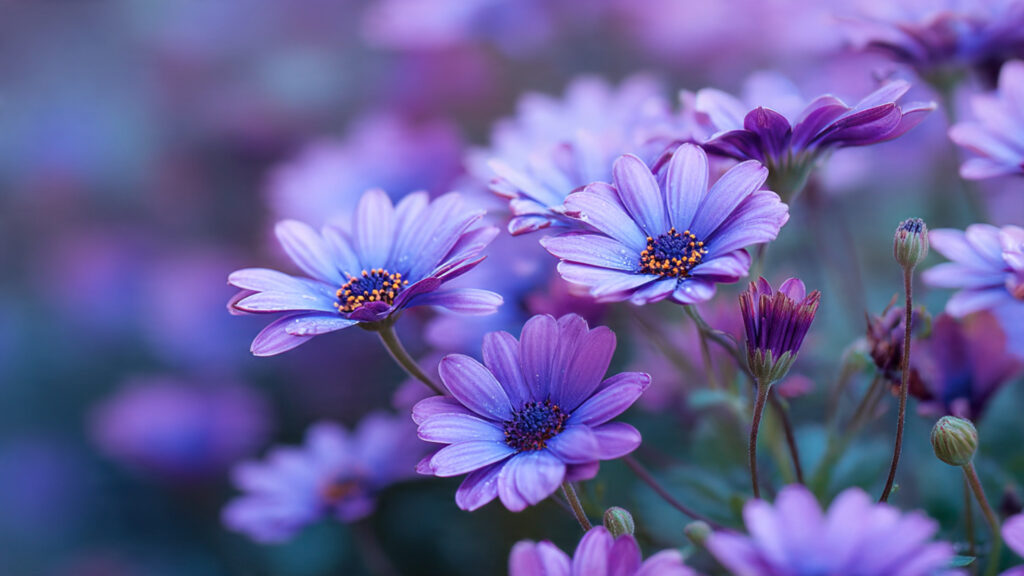
If you’ve noticed your once-green daisy plants developing purple leaves as winter sets in, you’re not alone. While it may look alarming at first, purple leaves are often a natural response to colder temperatures, nutrient imbalances, or environmental stress. Understanding why this happens can help you care for your daisies and keep them healthy through the winter months.
In this guide, we’ll explore the common causes of purple leaves on daisies, how to identify whether it’s a harmless seasonal change or a problem that needs attention, and what you can do to keep your garden thriving.
Understanding Daisy Leaf Pigmentation
Leaves turning purple is usually related to anthocyanins, natural pigments that plants produce in response to stress. These pigments give the leaves their purple or reddish hue. Anthocyanins serve multiple purposes:
- Protection from cold: In winter, anthocyanins help prevent frost damage by acting as a natural sunscreen.
- Stress response: The plant produces pigments in response to drought, nutrient deficiency, or other environmental challenges.
- Antioxidant defense: Anthocyanins help neutralize harmful free radicals, keeping plant cells healthy.
So, purple leaves aren’t always a sign of disease—they can be a protective mechanism.
Common Causes of Purple Leaves in Winter
While anthocyanins are natural, purple leaves can also indicate specific issues that gardeners should address.
1. Cold Stress
One of the most common causes of purple leaves on daisies during winter is cold stress. When temperatures drop:
- Chlorophyll production slows, reducing green coloration.
- Anthocyanins accumulate, giving the leaves a purple appearance.
- Leaf edges may also develop a reddish or bronze tint.
This is usually temporary. Once temperatures rise, leaves often return to green.
2. Phosphorus Deficiency
Purple leaves can indicate a phosphorus deficiency, especially if the discoloration starts at the tips and spreads along the veins. Phosphorus is essential for:
- Root development
- Flower formation
- Energy transfer within the plant
Cold soils in winter can make it harder for daisies to absorb phosphorus, even if the soil has enough. A gentle phosphorus-rich fertilizer can help correct the deficiency.
3. Excess Sun or Light Stress
Even in winter, bright sunlight reflecting off frost or snow can stress leaves, leading to purple pigmentation. Anthocyanins act as a natural sunscreen, protecting leaves from light damage.
- Leaves in full winter sun may turn darker purple.
- Leaves in shade are less likely to change color.
4. Water Stress
Both drought and overwatering can cause purple leaves:
- Drought stress: Leaves turn purple as a protective response to conserve water.
- Overwatering: Cold, soggy soil reduces root function, limiting nutrient uptake and causing discoloration.
Proper watering—keeping soil moist but well-drained—is crucial in winter.
5. Disease or Pest Pressure
While less common, certain diseases or pests can lead to purple leaves:
- Fungal infections may create spots or purple patches.
- Aphids or mites can stress plants, causing color changes.
Check the leaves for irregular spots, holes, or sticky residue to rule out pests.
How to Diagnose the Problem
To determine whether purple leaves are a natural winter response or a sign of trouble, consider these factors:
➡️ How to Grow Malabar Spinach from Cuttings for Fast, Easy Greens
➡️ How to Grow Super Delicious Cabbage at Home Without a Garden
➡️ How to Grow Bean Sprouts at Home in Plastic Bottles Easily (Step‑by‑Step Guide)
➡️ Why is Your Lemon Tree Blooming in the Heart of Winter?
➡️ Why Should Your Garden Have a Dedicated Pollinator Highway?
➡️ Why Do Your Fruit Trees Need a Winter Wash to Thrive in Spring?
➡️ How Can Rice Water Transform Your Fruits into Sweeter Delights?
➡️ Jumpstart Your Winter Garden: Seed Starting Under Lights
- Location and exposure: Leaves turning purple on the coldest or sunniest side may just be a seasonal change.
- Pattern of discoloration: Uniform purple often points to natural pigmentation, while patchy or vein-centered discoloration may indicate nutrient deficiency.
- Leaf health: Check for wilting, curling, or spots, which could signal disease or stress.
- Soil condition: Cold, compacted, or waterlogged soil can exacerbate nutrient issues.
Caring for Daisies With Purple Leaves
If your daisies are turning purple, here’s how to care for them effectively:
1. Adjust Watering
- Ensure soil drains well and stays slightly moist.
- Avoid watering in the late afternoon to prevent root rot in cold weather.
- Mulching around the base helps retain moisture and insulates roots.
2. Improve Soil Nutrients
- Test soil for phosphorus and potassium levels.
- Apply a balanced winter fertilizer if necessary.
- Incorporate compost to improve nutrient availability and soil structure.
3. Protect From Extreme Cold
- Use frost cloths or blankets during freezing nights.
- Plant daisies in sheltered locations away from cold winds.
- Container daisies can be moved indoors or to protected areas.
4. Prune and Remove Damaged Leaves
- Remove any severely damaged or diseased leaves to reduce stress.
- Pruning also improves airflow and reduces the risk of fungal infections.
5. Monitor Sun Exposure
- If possible, move container daisies to areas with morning sun but afternoon shade.
- For garden beds, ensure plants aren’t exposed to reflected frost from walls or pavement.
When to Worry
Most purple leaves in winter are harmless, but intervention is needed if you notice:
- Leaves turning black, brittle, or dying.
- Rapid spread of discoloration throughout the plant.
- Presence of pests like aphids, mites, or fungal spots.
In such cases, apply targeted treatments such as fungicides, insecticidal soaps, or nutrient adjustments.
Encouraging Healthy Green Growth in Spring
As winter ends and temperatures rise, purple leaves typically return to green. To encourage vigorous spring growth:
- Continue mulching and adding compost to maintain healthy soil.
- Gradually resume regular watering as the soil warms.
- Fertilize lightly in early spring to promote flowering and leaf growth.
- Keep an eye on any overwintering pests or diseases.
By following these steps, your daisies will bounce back with vibrant green foliage and abundant blooms.
Conclusion
Purple leaves on daisies during winter are usually a natural, protective response to cold, light, or mild stress. In most cases, there’s no cause for alarm. However, persistent or uneven discoloration could signal nutrient deficiencies, water stress, or pests.
By understanding the causes and providing proper care—like adjusting watering, protecting from frost, and improving soil nutrients—you can help your daisies survive winter and thrive in spring. With a little attention, your garden will continue to burst with healthy green leaves and beautiful, cheerful blooms once the season turns.
Remember, those purple leaves aren’t just a warning—they’re also a sign of your daisy’s resilience, adapting to survive the harsh winter months and rewarding you with fresh growth in the months ahead.