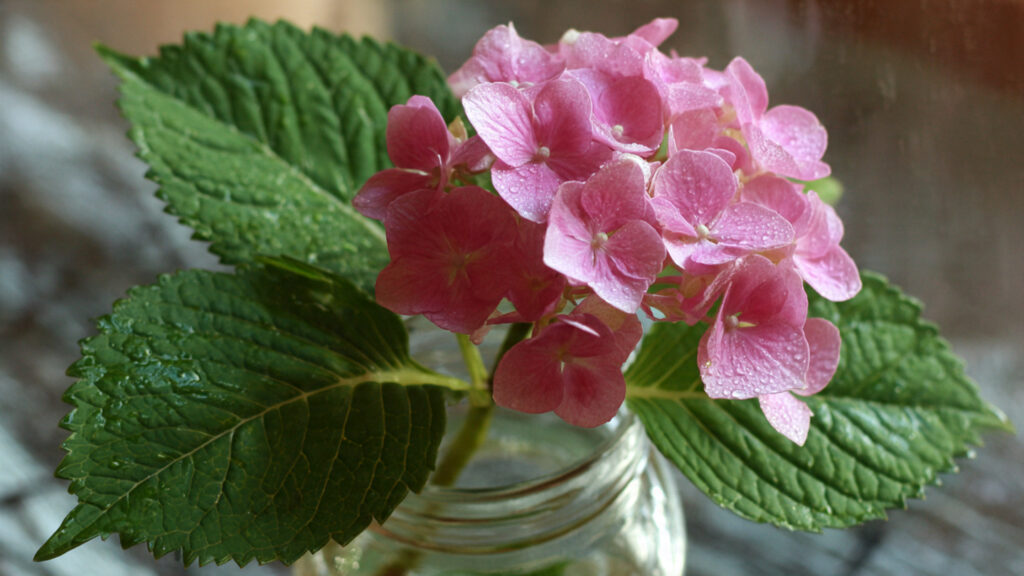
Hydrangeas are some of the most popular garden plants, loved for their large, vibrant blooms and lush foliage. Propagating hydrangeas through cuttings is a common way to expand your collection or share these beautiful plants with friends and family. However, many gardeners encounter a frustrating problem: their hydrangea cuttings start wilting even though they are watered regularly. This can be disheartening, especially for beginners who have followed all the standard advice. Understanding why this happens requires a deep dive into plant physiology, environmental factors, and proper propagation techniques.
Understanding Hydrangea Cuttings
A hydrangea cutting is a small section of the parent plant, usually taken from a healthy stem, intended to grow roots and develop into a new plant. Cuttings are typically softwood, semi-hardwood, or hardwood, depending on the time of year and the maturity of the plant. While softwood cuttings taken in spring or early summer root relatively easily, they are also more vulnerable to environmental stresses.
Wilting in cuttings is a signal that the plant tissue is under stress. Even when water seems abundant, the cuttings may not be able to absorb or retain it effectively. This is because a freshly cut stem lacks a developed root system, and the leaves and stems continue to lose water through transpiration. Without efficient water uptake, the cutting will begin to droop, showing signs of wilting.
Causes of Wilting Despite Ample Water
1. Improper Cutting Technique
One of the most common causes of wilting is taking cuttings incorrectly. If the cut is jagged or crushed, the plant tissue may struggle to transport water. Always use a sharp, sterilized knife or pruning shears, and make the cut just below a leaf node. Removing the lower leaves and leaving only a few at the top reduces water loss while encouraging root development.
2. Excessive Leaf Surface
Hydrangea leaves are broad and transpire a lot of water. A cutting with too many leaves will lose water faster than it can absorb from the stem. Trim the cutting so only two or three sets of leaves remain. This balance helps prevent excessive wilting while still allowing the cutting to photosynthesize.
3. Heat and Sunlight Stress
Hydrangea cuttings are delicate and prone to heat stress. Direct sunlight or high temperatures can cause rapid water loss. Even if the soil or propagation medium is moist, the cutting may wilt because the leaves are losing water faster than it can be replaced. Ideally, cuttings should be rooted in indirect light with consistent, moderate temperatures.
4. Overwatering and Poor Drainage
It may seem counterintuitive, but too much water can also cause wilting. Hydrangea cuttings are prone to root rot if the medium is soggy. Roots need oxygen to function; saturated soil prevents this, causing the cutting to suffocate and wilt. Use a well-draining propagation medium such as a mix of perlite and peat moss or a high-quality seed-starting mix. Ensure the container has drainage holes and avoid letting water pool at the bottom.
5. Low Humidity
Cuttings lose water quickly when the surrounding air is dry. Indoor air, especially in winter with heating systems, can be extremely dry, leading to rapid transpiration. Covering the cuttings with a plastic dome or bag can help maintain high humidity, reducing water loss. Just make sure there is some ventilation to prevent fungal growth.
6. Hormonal Imbalance
Rooting hormones are often used to encourage root growth in cuttings. If a cutting lacks proper hormone treatment or is exposed to too much hormone, it may fail to establish roots and begin to wilt. A balanced application of rooting powder or gel at the base of the cutting can improve success rates.
7. Timing and Plant Health
The health of the parent plant also matters. Cuttings taken from stressed, diseased, or overly mature plants are less likely to thrive. Softwood cuttings taken too late in the season or from lignified stems may struggle to develop roots, causing them to wilt despite sufficient water.
How to Prevent Wilting
Preventing wilting requires addressing both environmental factors and cutting technique. Here are some key strategies:
1. Choose the Right Time and Plant Material
- Take softwood cuttings in late spring or early summer when new growth is firm but still flexible.
- Avoid cuttings from stressed or weak plants.
- Select healthy stems with no signs of disease or pest damage.
2. Use Proper Cutting Technique
- Use clean, sharp tools to make a diagonal cut just below a node.
- Remove lower leaves and pinch back any large leaves at the top to reduce water loss.
- Dip the cut end in rooting hormone to stimulate root growth.
3. Optimize Watering and Soil Conditions
- Use a moist but well-draining propagation medium.
- Water the medium until evenly damp but avoid saturation.
- Ensure containers have drainage holes to prevent root rot.
4. Control Temperature and Light
- Place cuttings in bright, indirect light.
- Avoid direct afternoon sun, which can overheat and dry out the leaves.
- Maintain a moderate temperature between 65–75°F (18–24°C).
5. Maintain Humidity
- Cover cuttings with a clear plastic bag or dome to trap moisture.
- Mist occasionally to prevent leaves from drying.
- Open the cover periodically to prevent fungal growth.
6. Monitor and Adjust
- Check cuttings daily for signs of wilting, fungal growth, or discoloration.
- Remove any diseased or dead material promptly.
- Adjust watering and humidity as needed to maintain steady moisture without oversaturation.
Common Mistakes to Avoid
- Crowding Cuttings: Placing too many cuttings together reduces airflow and increases the risk of fungal disease. Space them evenly to allow circulation.
- Ignoring Root Development: Watering alone won’t save cuttings that fail to form roots. Patience is key; roots may take 2–4 weeks to appear depending on conditions.
- Overfertilizing: Cuttings do not need fertilizer until they have developed roots. Fertilizing too early can burn tender tissue and worsen wilting.
Signs Your Hydrangea Cuttings Are Thriving
Healthy cuttings will show subtle signs even before roots are visible:
- Leaves remain firm and vibrant.
- New leaf buds may appear at the top of the stem.
- Stems feel slightly turgid, not limp or mushy.
- The cutting resists gentle tugging, indicating initial root anchorage.
Once roots begin forming, the cuttings will gradually recover from any initial wilting and start to grow vigorously. At this stage, you can gradually acclimate them to lower humidity and more sunlight before transplanting into pots or garden beds.
Conclusion
Wilting in hydrangea cuttings despite ample watering is usually a symptom of stress caused by environmental factors, improper cutting techniques, or physiological limitations. Simply giving more water is rarely the solution. Understanding the balance between water uptake, transpiration, light exposure, humidity, and root development is key to successful propagation. By selecting healthy plant material, using proper techniques, controlling humidity, and providing optimal growing conditions, gardeners can significantly increase the success rate of hydrangea cuttings and enjoy the satisfaction of watching new plants flourish.
Propagation is as much art as it is science, and even experienced gardeners sometimes face setbacks. However, with attention to detail and patience, wilted cuttings can often be rescued, and future attempts can yield a lush collection of hydrangeas that reward your effort season after season.
➡️ How to Grow Malabar Spinach from Cuttings for Fast, Easy Greens
➡️ How to Grow Super Delicious Cabbage at Home Without a Garden
➡️ How to Grow Bean Sprouts at Home in Plastic Bottles Easily (Step‑by‑Step Guide)
➡️ Why is Your Lemon Tree Blooming in the Heart of Winter?
➡️ Why Should Your Garden Have a Dedicated Pollinator Highway?
➡️ Why Do Your Fruit Trees Need a Winter Wash to Thrive in Spring?
➡️ How Can Rice Water Transform Your Fruits into Sweeter Delights?
➡️ Jumpstart Your Winter Garden: Seed Starting Under Lights