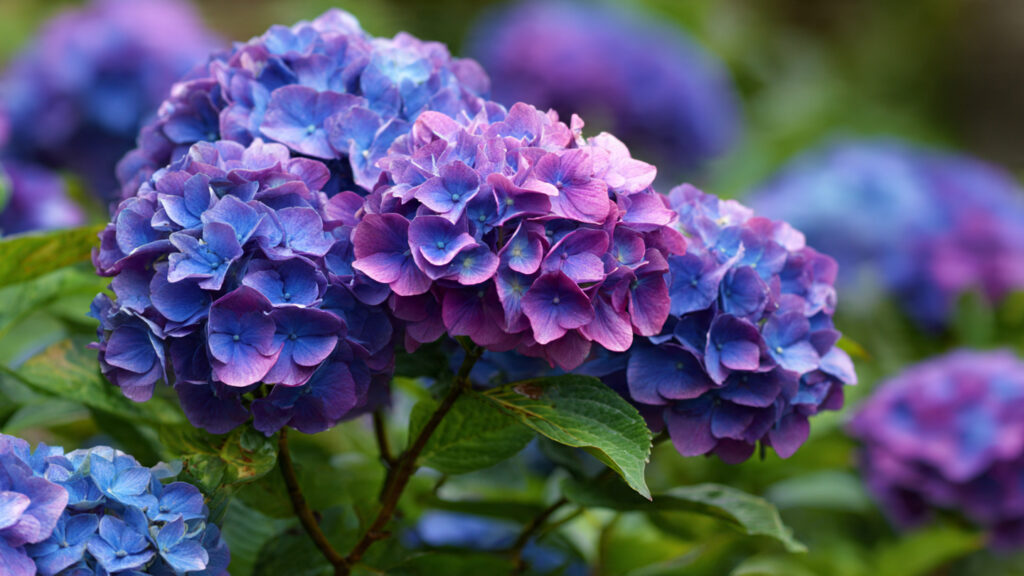
Hydrangeas are known for their lush foliage and spectacular blooms—large, cloud-like clusters that light up gardens from late spring through summer. So when your hydrangeas start shrinking year after year, producing smaller leaves, fewer flowers, or shorter stems, it can be deeply frustrating.
If you’ve noticed your once-impressive shrubs looking smaller and less vibrant each season, don’t panic. Shrinking hydrangeas are usually signaling a problem that can be corrected with the right care adjustments.
Let’s explore the most common reasons hydrangeas decline in size—and how to restore them to their former glory.
1. Incorrect Pruning (The Most Common Cause)
Improper pruning is the number one reason hydrangeas get smaller over time. The issue often comes down to not knowing whether your hydrangea blooms on old wood or new wood.
Some popular types include:
- Hydrangea macrophylla (Bigleaf hydrangea)
- Hydrangea paniculata (Panicle hydrangea)
- Hydrangea arborescens (Smooth hydrangea)
- Hydrangea quercifolia (Oakleaf hydrangea)
Why It Matters
- Old wood bloomers (like many bigleaf and oakleaf varieties) form flower buds on last year’s growth.
- New wood bloomers (like panicle and smooth hydrangeas) bloom on current season growth.
If you prune old wood bloomers in late fall, winter, or early spring, you remove next year’s flower buds. Over time, repeated heavy pruning weakens the plant and reduces its size.
The Fix
- Identify your hydrangea variety.
- For old wood types: prune lightly right after flowering.
- For new wood types: prune in late winter or early spring.
Avoid cutting hydrangeas down to the ground unless the variety tolerates it.
2. Soil Nutrient Depletion
Hydrangeas are heavy feeders. Over time, especially in the same planting spot, soil nutrients can become depleted.
Signs of nutrient issues include:
- Smaller leaves
- Fewer blooms
- Pale or yellowing foliage
- Reduced overall plant size
Nitrogen supports leafy growth, phosphorus helps flowering, and potassium strengthens overall plant health. A deficiency in any of these can stunt growth.
The Fix
- Add compost annually in early spring.
- Apply a balanced slow-release fertilizer designed for flowering shrubs.
- Mulch with organic material to improve soil structure over time.
Avoid over-fertilizing with nitrogen-heavy formulas, as this can produce leaves but suppress blooms.
3. Compacted or Poor Drainage Soil
Hydrangeas prefer moist, well-draining soil. If soil becomes compacted, roots struggle to access oxygen and nutrients. Root stress leads to smaller growth above ground.
Compacted soil often happens in:
- High foot-traffic areas
- Clay-heavy soil
- Gardens without regular organic matter additions
The Fix
- Gently aerate the soil around the plant.
- Add compost or leaf mold annually.
- Avoid stepping near the root zone.
If drainage is poor, consider raising the planting area slightly with amended soil.
4. Root Crowding
Over time, hydrangeas can become root-bound or compete with nearby plants and trees for nutrients and water.
➡️ How to Grow Malabar Spinach from Cuttings for Fast, Easy Greens
➡️ How to Grow Super Delicious Cabbage at Home Without a Garden
➡️ How to Grow Bean Sprouts at Home in Plastic Bottles Easily (Step‑by‑Step Guide)
➡️ Why is Your Lemon Tree Blooming in the Heart of Winter?
➡️ Why Should Your Garden Have a Dedicated Pollinator Highway?
➡️ Why Do Your Fruit Trees Need a Winter Wash to Thrive in Spring?
➡️ How Can Rice Water Transform Your Fruits into Sweeter Delights?
➡️ Jumpstart Your Winter Garden: Seed Starting Under Lights
Shrinking year after year may indicate:
- Roots hitting hard soil barriers
- Tree roots stealing nutrients
- Limited growing space
The Fix
- Dig carefully around the outer root zone to assess crowding.
- Divide certain hydrangea types if appropriate.
- Relocate the shrub during dormancy if competition is severe.
Giving roots space can dramatically improve size and vigor.
5. Too Much Sun or Too Much Shade
Hydrangeas prefer partial shade, especially afternoon shade in warmer climates. Excessive sun can stress the plant, while deep shade can reduce blooming and growth.
Symptoms of sun stress:
- Leaf scorch
- Wilting despite watering
- Smaller blooms
Symptoms of too much shade:
- Long, leggy stems
- Fewer flowers
- Reduced growth
The Fix
- Provide morning sun and afternoon shade.
- In hot climates, use shade cloth if relocation isn’t possible.
- Trim nearby overgrowth if too much shade is the issue.
6. Inconsistent Watering
Hydrangeas have relatively shallow roots and require consistent moisture. Drought stress weakens the plant, causing reduced growth the following year.
Even one harsh drought season can cause:
- Smaller stems
- Fewer buds
- Reduced plant size
The Fix
- Water deeply once or twice per week during dry periods.
- Add 2–3 inches of mulch to conserve moisture.
- Avoid shallow daily watering, which encourages weak roots.
Consistency is key.
7. Winter Damage
In colder climates, winter damage can reduce plant size. When stems die back due to frost, the plant must regrow from lower nodes, resulting in a smaller plant.
Old wood bloomers are especially vulnerable because winter damage eliminates next year’s blooms.
The Fix
- Protect plants with mulch in late fall.
- Use burlap wraps in colder zones.
- Choose cold-hardy varieties suited to your climate.
8. Aging Shrubs
Like all perennials and shrubs, hydrangeas can decline with age. After many years, growth slows naturally.
An aging plant may:
- Produce fewer new stems
- Have woody, unproductive growth
- Gradually shrink in size
The Fix
- Rejuvenation pruning (only for suitable varieties).
- Remove one-third of the oldest stems annually.
- Improve soil and fertilization practices.
In some cases, replacing very old shrubs may be the best option.
9. pH Imbalance Affecting Health
Hydrangeas are famous for bloom color changes based on soil pH, especially bigleaf varieties. But extreme pH imbalance can also affect nutrient uptake.
- Very alkaline soil may limit iron absorption.
- Very acidic soil may affect phosphorus availability.
Nutrient lockout can reduce plant vigor and size.
The Fix
- Test soil pH.
- Amend gradually with lime (to raise pH) or sulfur (to lower pH).
- Avoid drastic changes in one season.
10. Pests and Diseases
Though generally hardy, hydrangeas can suffer from:
- Aphids
- Spider mites
- Powdery mildew
- Root rot
Chronic stress from pests or fungal issues weakens the plant over time, leading to smaller annual growth.
The Fix
- Inspect regularly.
- Improve air circulation.
- Treat early with appropriate organic or targeted controls.
- Avoid overhead watering to reduce fungal issues.
How to Restore Shrinking Hydrangeas
If your hydrangeas have been declining for several years, take a systematic approach:
- Identify the variety.
- Review pruning habits.
- Improve soil with compost.
- Adjust watering schedule.
- Check sunlight exposure.
- Test soil pH.
- Inspect for pests.
Most hydrangeas respond quickly to improved care and can rebound within one or two growing seasons.
A Seasonal Recovery Plan
Early Spring
- Apply compost and slow-release fertilizer.
- Prune appropriately for your variety.
- Refresh mulch.
Late Spring
- Monitor moisture.
- Watch for pest activity.
- Adjust sun exposure if possible.
Summer
- Maintain consistent watering.
- Avoid heavy pruning.
- Deadhead if appropriate.
Fall
- Add protective mulch.
- Avoid late-season fertilization.
- Prepare for winter protection if needed.
Final Thoughts
Shrinking hydrangeas aren’t random—they’re responding to stress. Whether it’s pruning mistakes, depleted soil, water inconsistency, or environmental changes, the plant is signaling that something needs adjustment.
The good news? Hydrangeas are resilient. With thoughtful care, improved soil, and proper pruning, your shrubs can return to their full, lush potential.
If your hydrangeas are shrinking year after year, don’t give up. With a few strategic corrections, you can restore the dramatic blooms and abundant foliage that make these garden favorites so beloved.