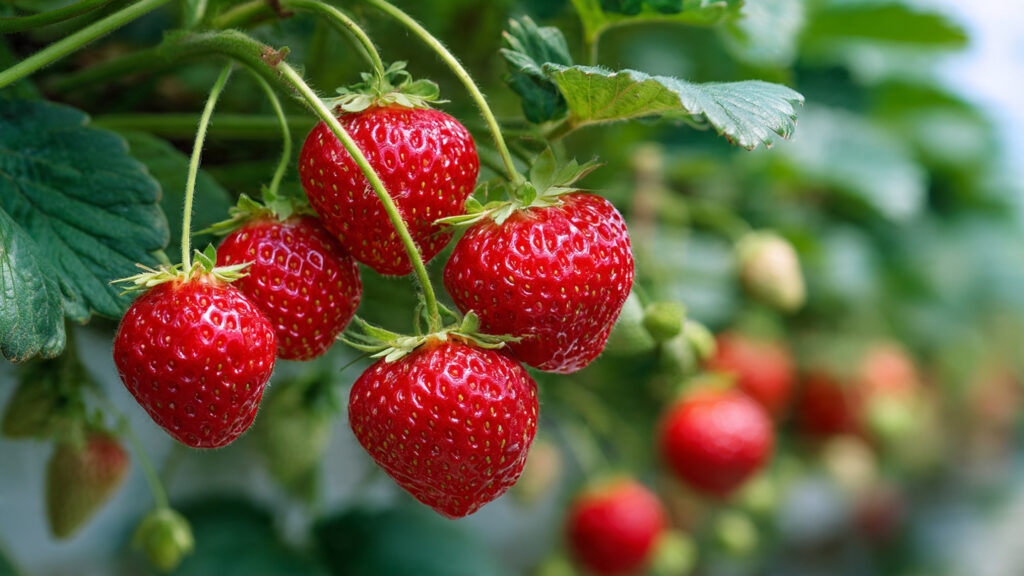
Few gardening experiences are as satisfying as harvesting sweet, sun-ripened strawberries straight from your own garden. But what happens when your plants seem to stop producing fruit and instead send out long creeping stems in every direction? If your strawberry patch is full of sprawling vines but short on berries, runners may be taking over your main harvest.
Understanding why this happens—and how to manage it—can help you restore productivity and keep your strawberry bed both healthy and high-yielding.
What Are Strawberry Runners?
Strawberry runners, also called stolons, are long horizontal stems that grow outward from the mother plant. At intervals along the runner, small plantlets form. Once they touch soil, they develop roots and become new strawberry plants genetically identical to the parent.
This is how strawberries naturally spread and create dense colonies.
While runners are useful for propagation, they come at a cost: energy. And that’s where harvest problems begin.
Why Your Strawberry Plant Is Producing So Many Runners
Strawberries have two main biological priorities:
- Reproduction through fruit (seeds)
- Reproduction through runners (cloning)
When conditions favor vegetative growth, the plant often shifts toward runner production instead of fruiting.
Here are the most common reasons runners take over:
1. The Plant Is Young and Establishing Itself
First-year strawberry plants often produce many runners. This is natural behavior. The plant focuses on spreading and building a colony before maximizing fruit production.
In fact, many growers remove flowers during the first year to allow the plant to establish strong roots. After establishment, fruit production increases.
If your plants are newly planted, heavy runner growth is normal.
2. Too Much Nitrogen Fertilizer
Nitrogen encourages leafy growth. When strawberry plants receive excessive nitrogen, they prioritize foliage and runner production over flowering and fruiting.
Signs of too much nitrogen:
- Large, dark green leaves
- Vigorous runner production
- Few flowers or small fruit
If this sounds familiar, switch to a balanced fertilizer or one slightly higher in phosphorus and potassium to encourage blooms and fruit development.
3. Long Daylight and Warm Temperatures
Strawberry varieties respond differently to day length:
➡️ How to Grow Malabar Spinach from Cuttings for Fast, Easy Greens
➡️ How to Grow Super Delicious Cabbage at Home Without a Garden
➡️ How to Grow Bean Sprouts at Home in Plastic Bottles Easily (Step‑by‑Step Guide)
➡️ Why is Your Lemon Tree Blooming in the Heart of Winter?
➡️ Why Should Your Garden Have a Dedicated Pollinator Highway?
➡️ Why Do Your Fruit Trees Need a Winter Wash to Thrive in Spring?
➡️ How Can Rice Water Transform Your Fruits into Sweeter Delights?
➡️ Jumpstart Your Winter Garden: Seed Starting Under Lights
- June-bearing strawberries produce one large crop and then runners.
- Everbearing varieties produce multiple smaller crops.
- Day-neutral varieties fruit continuously under moderate temperatures.
After fruiting, especially in June-bearing types, the plant shifts into runner mode. This is part of its natural cycle.
If runners appear right after harvest, it may simply be seasonal timing.
4. Stress Conditions
When stressed, plants often shift reproductive strategies.
Stress factors include:
- Drought
- Poor soil
- Overcrowding
- Root damage
- Pests
Sometimes, instead of producing fruit under stress, the plant sends out runners to ensure survival elsewhere.
Ironically, a struggling plant may appear vigorous because of its spreading growth.
5. Overcrowded Beds
If strawberry plants are planted too closely, they compete for nutrients, water, and light. Instead of putting energy into fruit, they may produce runners that attempt to move into open space.
Dense growth also reduces airflow, increasing disease risk and reducing fruit size.
Spacing matters. Most strawberry plants need 12–18 inches between plants for optimal fruiting.
How Runners Reduce Your Harvest
Runners divert carbohydrates, water, and nutrients away from flower and fruit production.
When a plant produces runners:
- Energy moves toward new plantlets.
- Flower buds may abort.
- Fruit size may decrease.
- Overall yield declines.
In small gardens, unmanaged runners can quickly turn a productive bed into a leafy jungle with minimal fruit.
Should You Remove Strawberry Runners?
If your goal is maximum fruit production, the answer is usually yes.
Removing runners redirects the plant’s energy back into flowering and fruiting.
However, there are times when runners are beneficial:
- Expanding your strawberry bed
- Replacing older plants
- Starting new patches
The key is intentional management.
How to Manage Strawberry Runners Properly
1. Regular Inspection
Check plants weekly during the growing season. Runners grow fast, especially in warm weather.
2. Trim Early and Cleanly
Use sharp scissors or pruners to cut runners close to the mother plant. Avoid pulling them, which can disturb roots.
Removing runners when small prevents wasted energy.
3. Allow Selective Rooting
If you want new plants, choose strong runners from healthy mother plants.
Place a small pot filled with soil under the plantlet while it is still attached. Once rooted, cut it free and transplant later.
This gives you control without sacrificing harvest.
4. Renovate After Harvest (For June-Bearing Types)
After the main crop finishes:
- Mow or trim foliage lightly.
- Remove excess runners.
- Thin plants to proper spacing.
This rejuvenates the patch and improves next year’s harvest.
Choosing the Right Variety for Your Goals
If runner overgrowth is a constant frustration, consider switching varieties.
- June-bearing: High yield once per season, many runners afterward.
- Everbearing: Fewer runners, moderate harvest across seasons.
- Day-neutral: Continuous fruiting, typically fewer runners.
For small gardens or containers, day-neutral varieties are often easiest to manage.
Feeding and Watering for Balanced Growth
To maintain healthy fruit production:
Fertilizer Tips:
- Use balanced fertilizer (10-10-10 or similar).
- Avoid heavy nitrogen after plants are established.
- Feed lightly after harvest.
Watering Tips:
- Provide consistent moisture.
- Avoid water stress during flowering and fruiting.
- Mulch to retain soil moisture.
Strawberries perform best in slightly acidic soil (pH 5.5–6.5).
Signs Your Plants Need Renewal
Strawberry plants decline after 3–4 years. Older plants produce fewer berries and more runners.
If your patch is several years old and fruiting poorly:
- Replace older plants with new runner-grown plants.
- Rotate to fresh soil if possible.
- Avoid planting strawberries in the same location immediately to prevent disease buildup.
Regular renewal keeps yields high.
Balancing Harvest and Propagation
Think of runners as a tool, not a problem.
If you:
- Remove all runners → maximum fruit
- Allow some runners → future plants
- Allow all runners → reduced harvest
Your goal determines your strategy.
For home gardeners focused on fresh eating, limiting runners during fruiting season is usually best.
Container Strawberry Considerations
In containers, runner control is even more important.
Limited soil volume means limited nutrients. If runners are allowed to root in the same pot:
- Plants become overcrowded.
- Nutrient competition increases.
- Fruit size declines dramatically.
Trim runners promptly and maintain only 3–5 strong plants per medium-sized container.
Common Mistakes That Encourage Runner Overgrowth
- Over-fertilizing with nitrogen
- Ignoring runner growth for weeks
- Planting too closely
- Failing to thin older beds
- Growing June-bearing types without post-harvest maintenance
Correcting these issues restores balance.
Final Thoughts
If your strawberry runners are taking over your main harvest, your plants aren’t misbehaving—they’re following their natural instincts.
Strawberries are programmed to spread. But as gardeners, we guide that energy toward what we value most: sweet, abundant fruit.
By managing runners intentionally, feeding wisely, spacing properly, and choosing suitable varieties, you can strike the perfect balance between propagation and productivity.