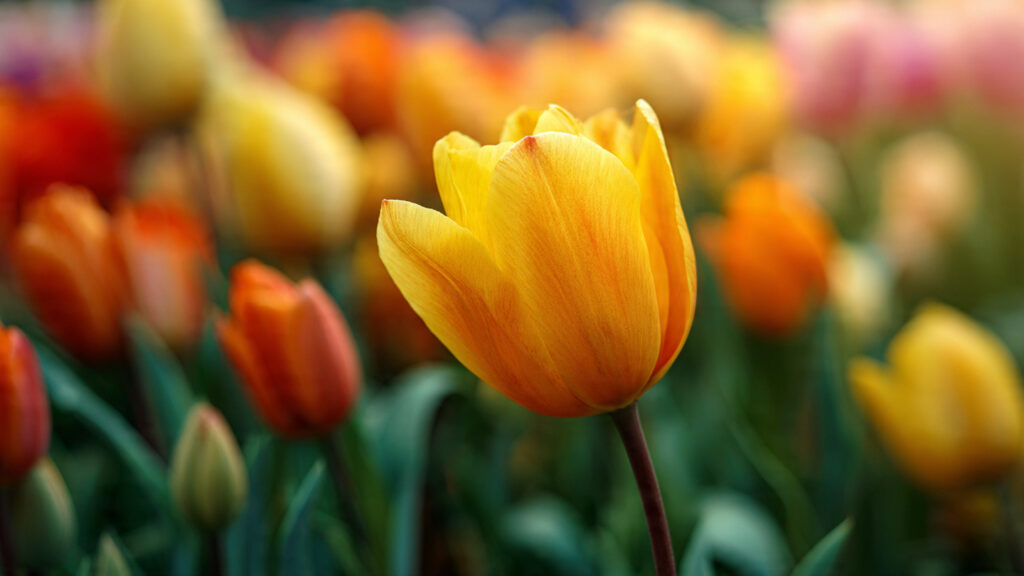
Tulips are among the most iconic spring flowers, celebrated for their vibrant colors, elegant shapes, and ability to brighten any garden or home. But for many gardeners, there’s a frustrating problem: tulip leaves turning yellow too early. While it’s natural for tulip foliage to die back after blooming, premature yellowing can indicate underlying issues that, if left unchecked, may reduce the plant’s health and affect future blooms. Understanding the causes and solutions is key to keeping your tulips vibrant year after year.
Understanding the Life Cycle of Tulip Leaves
Tulip leaves play a crucial role in the plant’s growth. After planting, leaves emerge first, absorbing sunlight to create energy through photosynthesis. This energy is stored in the bulb and used to produce flowers in spring. Once blooming ends, leaves usually turn yellow naturally as the plant redirects its energy to the bulb for the next season.
However, when yellowing occurs too early, it signals stress or other issues that need attention. Identifying the cause is the first step to prevention.
Common Causes of Early Yellowing in Tulip Leaves
Several factors can cause premature yellowing in tulip leaves. Let’s break them down:
1. Overwatering
Tulips prefer well-drained soil. Excessive watering can cause root rot and deprive the roots of oxygen, leading to yellowing leaves. Symptoms include soft, limp leaves, and sometimes a foul smell from the soil.
Solution:
- Ensure your soil drains well. Raised beds or containers with drainage holes work best.
- Water sparingly, especially after the plant has flowered. Let the soil dry slightly between waterings.
2. Underwatering
While overwatering is harmful, lack of water can also stress tulips. Dry soil prevents proper nutrient absorption, resulting in pale or yellow leaves.
Solution:
- Keep soil consistently moist during active growth.
- Mulch around the base to retain moisture, especially in hotter climates.
3. Nutrient Deficiency
Tulips need balanced nutrients to thrive. A lack of nitrogen, magnesium, or iron can cause early yellowing. Nitrogen deficiency, in particular, manifests as yellowing of older leaves first.
Solution:
- Apply a balanced fertilizer formulated for flowering bulbs when planting or early in the growth season.
- Avoid over-fertilization, which can harm bulbs.
4. Disease and Fungal Infections
Tulips are susceptible to diseases such as Botrytis blight, fungal leaf spots, or bulb rot. Early yellowing is often accompanied by spots, wilting, or soft bulbs.
Solution:
- Remove and destroy infected leaves or bulbs to prevent spread.
- Plant tulips in sunny, well-ventilated areas to reduce fungal growth.
- Use fungicide as a preventive measure if you’ve had previous issues.
5. Poor Planting Depth or Bulb Quality
Planting tulip bulbs too shallowly or using poor-quality bulbs can lead to weak root systems, resulting in premature leaf yellowing.
Solution:
- Plant bulbs at the recommended depth—usually 2–3 times the bulb’s height.
- Choose firm, healthy bulbs free from mold or soft spots.
6. Environmental Stress
Sudden temperature changes, frost, or harsh winds can shock tulips, causing yellowing leaves. Similarly, tulips grown indoors may yellow if exposed to dry air or insufficient light.
➡️ How to Grow Malabar Spinach from Cuttings for Fast, Easy Greens
➡️ How to Grow Super Delicious Cabbage at Home Without a Garden
➡️ How to Grow Bean Sprouts at Home in Plastic Bottles Easily (Step‑by‑Step Guide)
➡️ Why is Your Lemon Tree Blooming in the Heart of Winter?
➡️ Why Should Your Garden Have a Dedicated Pollinator Highway?
➡️ Why Do Your Fruit Trees Need a Winter Wash to Thrive in Spring?
➡️ How Can Rice Water Transform Your Fruits into Sweeter Delights?
➡️ Jumpstart Your Winter Garden: Seed Starting Under Lights
Solution:
- Protect tulips from extreme weather with cloches or garden covers.
- Maintain adequate sunlight (at least 6 hours daily) and proper humidity for indoor tulips.
Preventing Early Yellowing: Step-by-Step Guide
To prevent yellowing and promote healthy tulip leaves, follow these best practices:
Step 1: Plant Properly
- Choose healthy bulbs with no signs of rot.
- Plant at the recommended depth with the pointed end up.
- Ensure well-draining soil to avoid waterlogged roots.
Step 2: Provide Adequate Sunlight
- Tulips thrive in full sun to partial shade.
- Position bulbs in areas that receive at least 6 hours of sunlight per day.
- Indoor tulips benefit from a south-facing window or supplemental grow lights.
Step 3: Water Correctly
- Water immediately after planting and during active growth.
- Avoid overwatering after flowering.
- Mulch to retain moisture without keeping the soil soggy.
Step 4: Fertilize Appropriately
- Apply a balanced, slow-release fertilizer at planting and again when leaves emerge.
- Use fertilizers formulated for flowering bulbs with essential micronutrients.
- Avoid heavy nitrogen after flowering, as it can encourage leaf growth at the expense of bulb storage.
Step 5: Control Pests and Diseases
- Inspect tulips regularly for fungal infections or insect damage.
- Remove affected leaves promptly.
- Maintain good air circulation and avoid overhead watering.
Step 6: Care After Flowering
- Allow leaves to yellow naturally; don’t cut them too early. They feed the bulb for next year’s blooms.
- Water sparingly once leaves begin to die back.
- Dig up bulbs if your climate requires storing them over summer, and replant in fall.
Tips for Indoor Tulips
Indoor tulips are popular for winter and early spring blooms, but they require special care:
- Light: Place near bright windows or use grow lights to prevent yellowing.
- Humidity: Maintain moderate humidity; dry air accelerates leaf stress.
- Temperature: Avoid placing tulips near heaters or drafts.
- Watering: Keep soil moist but not soggy. Overwatering indoors is a common cause of yellow leaves.
Common Mistakes to Avoid
Even experienced gardeners make mistakes that cause early yellowing:
- Cutting leaves too soon – Tulip leaves should remain until fully yellowed. Cutting early deprives bulbs of energy storage.
- Planting in heavy clay soil – Poor drainage causes root rot and yellowing leaves.
- Overcrowding bulbs – Crowded bulbs compete for nutrients, resulting in stress.
- Ignoring soil pH – Tulips prefer slightly acidic to neutral soil (pH 6–7). Improper pH limits nutrient uptake.
Avoiding these mistakes ensures your tulips stay healthy year after year.
Conclusion: Keep Your Tulips Vibrant
Yellowing tulip leaves can be alarming, but with careful attention to planting, watering, sunlight, and nutrient management, premature yellowing is preventable. Understanding the plant’s natural life cycle and addressing environmental, pest, or soil-related issues ensures healthy foliage and vibrant blooms.
By following this guide, gardeners can enjoy tulips that not only bloom beautifully in spring but also remain strong and productive for seasons to come. Whether in the garden or in containers, healthy leaves mean a healthy bulb, which translates to more abundant and colorful tulip blooms every year.
Remember, the key is patience, proper care, and prevention. By implementing these strategies, you can keep your tulips thriving, leaves green, and flowers radiant, making your garden—or indoor space—a springtime paradise.