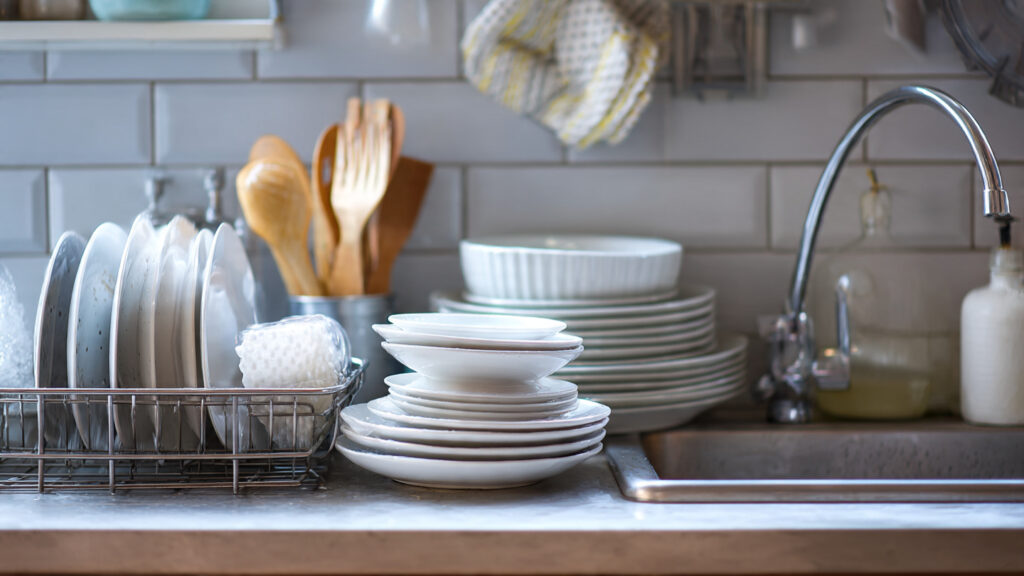
A fresh, clean-smelling kitchen is often seen as the hallmark of a well-maintained home. The aroma of lemon-scented cleaners or freshly baked goods can give the illusion of absolute cleanliness. But appearances—and even smells—can be deceiving. Even kitchens that look spotless and smell inviting can harbor hidden germs and bacteria that pose risks to your health. Understanding why this happens and how to address it is essential for anyone who wants a truly safe and sanitary cooking environment.
The Illusion of Cleanliness
Many people equate a sparkling countertop or a fragrant kitchen with hygiene, but the reality is more complex. A surface can look clean while still carrying microscopic pathogens. Cleaning products often mask odors rather than eliminating bacteria entirely. For example, wiping a cutting board with a lemon-scented spray may make it smell fresh, but it may not destroy harmful bacteria like Salmonella, E. coli, or Listeria, which can linger invisibly.
The issue is compounded by the fact that humans rely heavily on visual and olfactory cues to judge cleanliness. This means we might skip deeper cleaning tasks, assuming the kitchen is safe, leaving pathogens in hard-to-reach areas to proliferate.
Common Germ Hotspots in Kitchens
Even the tidiest kitchens have areas where germs accumulate. Understanding these hotspots is the first step toward reducing risk:
1. Cutting Boards
Cutting boards, especially those used for raw meat, poultry, or fish, are notorious breeding grounds for bacteria. Even after washing with soap and water, bacteria can remain embedded in tiny cuts and grooves. Cross-contamination occurs when the same board is used for vegetables or ready-to-eat foods without proper sanitation.
2. Sponges and Dishcloths
Sponges and cloths are moisture-rich environments that support bacterial growth. Research shows that sponges can carry millions of bacteria per square inch, including pathogens capable of causing foodborne illness. Even if your sponge smells “fresh,” it can still be a hotbed of germs.
3. Sink and Faucet Areas
Sinks are designed to handle water and food waste, but this makes them a prime breeding ground for microbes. Faucet handles, soap dispensers, and drain stoppers can harbor bacteria that spread through touch. Kitchen sinks can host bacteria such as E. coli, which can survive on surfaces for hours or even days.
4. Refrigerator Handles and Door Seals
Refrigerators store food safely, but handles, buttons, and rubber door seals often get overlooked during cleaning. These areas are frequently touched by hands that have handled raw foods, spreading germs without being noticed. While the fridge may look pristine inside, bacteria can persist in these high-contact zones.
5. Countertops and Appliance Surfaces
Countertops and appliances are often wiped down superficially, but cracks, seams, and textured surfaces can harbor bacteria. Blenders, toasters, and coffee makers may appear spotless yet accumulate food residue inside, creating ideal conditions for microbial growth.
Why Smell Isn’t a Reliable Indicator
A pleasant scent in your kitchen often comes from air fresheners, scented cleaners, or essential oils. While these products improve sensory perception, they do not necessarily sanitize surfaces. Some bacteria produce little to no odor, allowing them to thrive undetected. Others can survive in areas that are visually clean, particularly in moist or hidden corners.
Smell can be misleading in two ways:
- Masking odors: Cleaning sprays may cover foul smells without killing the bacteria producing them.
- False reassurance: A fresh-smelling kitchen may lull people into thinking no cleaning is needed, allowing germs to persist.
This is why relying solely on appearance and scent can leave kitchens deceptively unsafe.
How Germs Spread in Kitchens
Understanding how pathogens move in your kitchen helps explain why hidden contamination is common:
- Cross-contamination: Bacteria from raw foods can transfer to cutting boards, utensils, and hands, eventually reaching ready-to-eat foods.
- Aerosolization: Tiny droplets from washing raw meats or vegetables can carry bacteria onto nearby surfaces.
- Touch contamination: Every faucet, appliance button, or doorknob touched with contaminated hands spreads microbes further.
- Moisture retention: Wet sponges, dishcloths, and sinks create the perfect environment for bacteria to multiply rapidly.
Even with routine wiping, these mechanisms allow germs to persist in areas that seem clean.
Effective Strategies for a Truly Sanitary Kitchen
To go beyond superficial cleanliness and tackle hidden germs, it’s essential to adopt targeted strategies.
➡️ How to Grow Malabar Spinach from Cuttings for Fast, Easy Greens
➡️ How to Grow Super Delicious Cabbage at Home Without a Garden
➡️ How to Grow Bean Sprouts at Home in Plastic Bottles Easily (Step‑by‑Step Guide)
➡️ Why is Your Lemon Tree Blooming in the Heart of Winter?
➡️ Why Should Your Garden Have a Dedicated Pollinator Highway?
➡️ Why Do Your Fruit Trees Need a Winter Wash to Thrive in Spring?
➡️ How Can Rice Water Transform Your Fruits into Sweeter Delights?
➡️ Jumpstart Your Winter Garden: Seed Starting Under Lights
1. Sanitize Cutting Boards
Use separate cutting boards for raw meats and vegetables. After each use, sanitize with a solution of 1 tablespoon of bleach per gallon of water or use a dishwasher with a high-temperature setting. Avoid relying solely on scented sprays for disinfection.
2. Replace Sponges and Cloths Frequently
Sponges should be replaced weekly or sanitized by microwaving a damp sponge for one minute. Cloths can be washed in hot water daily. Consider dish brushes as a low-bacteria alternative.
3. Disinfect High-Touch Surfaces
Faucet handles, refrigerator handles, and appliance buttons should be wiped daily with disinfecting wipes or sprays. This prevents bacteria from spreading through repeated contact.
4. Maintain Proper Sink Hygiene
Regularly scrub sinks with a disinfectant, paying attention to drain areas and stoppers. Avoid leaving standing water, and ensure dish racks and drainboards dry completely.
5. Deep Clean Appliances
Appliances like blenders, toasters, and coffee machines accumulate food residue. Disassemble where possible and clean thoroughly. Refrigerator drawers, door seals, and crisper bins should be washed weekly.
6. Hand Hygiene Matters
Frequent and proper handwashing remains the most effective defense against foodborne pathogens. Wash hands with soap and warm water before handling food, after touching raw meat, and after using the trash.
7. Practice Regular Decluttering
Hidden bacteria often thrive under clutter. Keep countertops clear and organize cabinets to allow airflow, reducing moist, stagnant areas where germs multiply.
8. Use Tools That Minimize Contact
Consider touchless soap dispensers, pull-out trash bins, and hands-free faucets. Minimizing contact with surfaces reduces opportunities for bacterial spread.
Beyond Cleaning: The Role of Awareness
A truly hygienic kitchen is the product of both cleaning and awareness. Recognizing that a pleasant smell does not guarantee safety is key. Organized routines, mindful sanitation, and attention to commonly overlooked areas make the difference between a kitchen that merely looks clean and one that is genuinely safe for food preparation.
Conclusion
The next time your kitchen smells fresh and inviting, remember: fragrance is not a substitute for sanitation. Hidden germs can lurk on cutting boards, sponges, faucets, appliances, and even seemingly clean countertops. Relying on smell alone can give a false sense of security, potentially exposing your family to harmful bacteria.
By understanding the hidden risks, identifying germ hotspots, and implementing rigorous sanitation practices, you can maintain a kitchen that is both pleasant-smelling and genuinely hygienic. A tidy kitchen is more than a sensory experience—it’s a health safeguard. In the battle against invisible pathogens, knowledge, consistency, and proper techniques are your best tools.