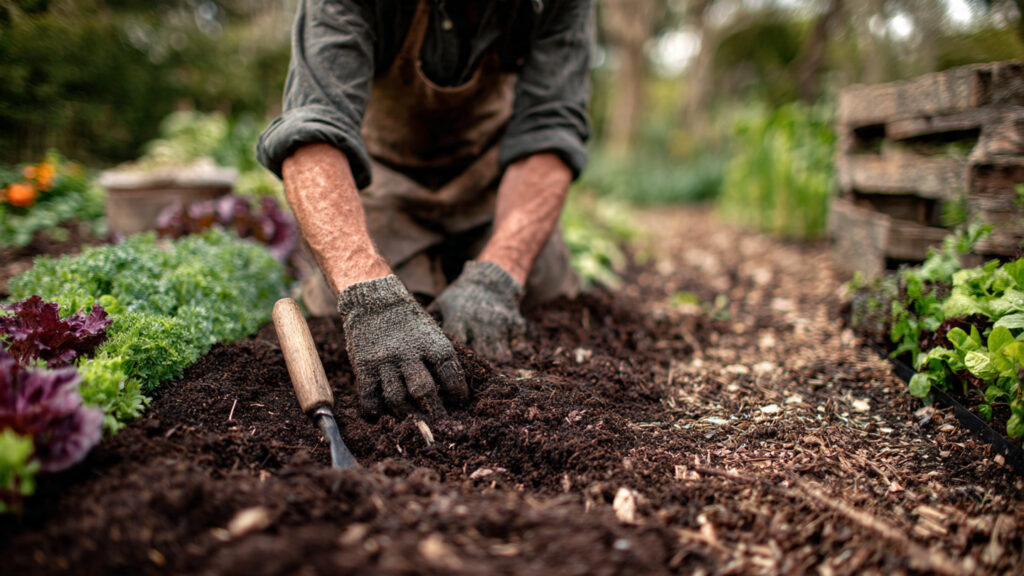
Gardening has evolved dramatically over the years, and one method that has captured the attention of professional gardeners worldwide is the No Dig gardening method. Unlike traditional gardening, which relies heavily on turning and digging soil, the No Dig approach focuses on minimal soil disturbance and working with nature rather than against it. This technique is praised for its ability to improve soil health, reduce labor, increase yields, and foster a sustainable ecosystem in the garden.
But why exactly do professional gardeners prefer the No Dig method? Let’s explore its principles, advantages, and practical applications in detail.
1. Preserving Soil Structure and Health
The foundation of No Dig gardening lies in respecting the natural structure of the soil.
Benefits of Avoiding Soil Disruption
- Soil layers remain intact: Digging or tilling disrupts soil layers, affecting nutrient distribution and root systems. No Dig preserves these layers, allowing plants to access nutrients more naturally.
- Microorganisms thrive: Soil is alive with microbes, fungi, and beneficial bacteria. No Dig gardening fosters these organisms rather than disturbing them, leading to richer, more fertile soil.
- Earthworm activity increases: Earthworms aerate soil naturally. Without digging, they remain undisturbed, creating channels for water, air, and nutrients.
Tip: Avoid heavy machinery or deep digging in garden beds to protect these essential soil inhabitants.
2. Improved Soil Fertility
No Dig gardening encourages organic matter to decompose naturally, enriching the soil over time.
- Mulching: Gardeners layer organic matter such as compost, leaf mold, or straw on top of the soil. This slowly breaks down and feeds the soil from above.
- Nutrient cycling: Organic layers support microbial activity that releases nutrients gradually, providing steady nourishment for plants.
- Reduced chemical reliance: Healthy soil reduces the need for synthetic fertilizers, creating a more sustainable growing environment.
Tip: Apply a 2–4 inch layer of compost annually to maintain soil fertility without digging.
3. Less Labor and Physical Strain
Traditional gardening, especially digging and tilling, is physically demanding. No Dig reduces strain significantly.
- Minimal digging: There’s no need to turn over soil or remove stubborn roots manually.
- Easier planting: Plants and seeds can be placed directly into prepared mulch or compost layers.
- Time-saving: Less effort allows gardeners to focus on planting, maintenance, and pest management.
Professional gardeners often work large plots, so saving labor while maintaining soil health makes No Dig highly attractive.
Tip: Use raised beds or clearly defined plots to make planting and watering easier without stepping on the soil.
4. Enhanced Moisture Retention
One of the most practical advantages of No Dig gardening is improved water retention.
- Mulch layer: Organic mulch protects soil from evaporation, keeping it moist for longer periods.
- Reduced compaction: Without digging, soil remains loose and porous, allowing water to penetrate deeply rather than running off.
- Drought resilience: Moisture-retentive soil means plants can survive longer between watering, which is particularly useful in dry climates.
Tip: Use straw, shredded leaves, or compost as mulch to retain water naturally.
5. Weed Suppression
Weeds are a gardener’s constant challenge, and No Dig gardening addresses this naturally.
- Mulch as a barrier: A thick layer of organic material blocks light, preventing weed seeds from germinating.
- Reduced seed disturbance: Digging exposes buried weed seeds. By avoiding soil turnover, fewer seeds reach the surface to sprout.
- Less chemical intervention: Natural suppression reduces or eliminates the need for herbicides.
Professional gardeners value this advantage because weed management is often the most time-consuming garden task.
Tip: Regularly top up your mulch layer to maintain a strong weed barrier throughout the growing season.
6. Supports Soil Biodiversity
Healthy gardens depend on complex ecosystems. No Dig encourages biodiversity both above and below the soil surface.
➡️ How to Grow Malabar Spinach from Cuttings for Fast, Easy Greens
➡️ How to Grow Super Delicious Cabbage at Home Without a Garden
➡️ How to Grow Bean Sprouts at Home in Plastic Bottles Easily (Step‑by‑Step Guide)
➡️ Why is Your Lemon Tree Blooming in the Heart of Winter?
➡️ Why Should Your Garden Have a Dedicated Pollinator Highway?
➡️ Why Do Your Fruit Trees Need a Winter Wash to Thrive in Spring?
➡️ How Can Rice Water Transform Your Fruits into Sweeter Delights?
➡️ Jumpstart Your Winter Garden: Seed Starting Under Lights
- Microbial diversity: Beneficial bacteria and fungi thrive, helping plants absorb nutrients.
- Invertebrates: Worms, beetles, and other soil dwellers remain undisturbed, enhancing soil fertility and aeration.
- Natural predators: Birds and insects are more likely to inhabit a garden with stable soil, aiding in pest control.
This ecological balance reduces the need for chemical inputs, fostering a healthier garden environment.
Tip: Incorporate flowering plants and shrubs near vegetable beds to attract pollinators and beneficial insects.
7. Higher Yields and Healthier Plants
Studies and professional gardener experiences have shown that No Dig gardens often produce better yields:
- Stronger root systems: Undisturbed soil allows roots to penetrate naturally, leading to robust plants.
- Better nutrient uptake: Microbial activity ensures nutrients are readily available.
- Reduced plant stress: Less soil disturbance and improved soil structure create favorable conditions for growth.
Even in small plots, No Dig gardens can rival traditional beds in productivity, making it an appealing choice for both hobbyists and professionals.
Tip: Combine No Dig practices with crop rotation to further improve yield and reduce disease incidence.
8. Erosion Control and Soil Conservation
No Dig gardening protects soil from erosion—a key advantage for gardens on slopes or exposed areas:
- Organic mulch stabilizes soil: Prevents wind and water erosion.
- Root systems remain intact: Plants help anchor the soil naturally.
- Sustainable landscape: Preserves topsoil and prevents nutrient loss over time.
Professional gardeners often work in environmentally sensitive areas, so No Dig aligns with sustainable practices.
Tip: On sloped beds, layer mulch thicker at the top to prevent it from washing away during heavy rains.
9. Ease of Implementation for Various Garden Types
No Dig is adaptable to different types of gardens:
- Raised beds: Perfect for urban or small-space gardening.
- Community gardens: Reduces labor for volunteers.
- Vegetable plots: Easy to implement in both backyard and professional-scale vegetable production.
Its versatility makes No Dig appealing to professional gardeners managing multiple plots or diverse crops.
Tip: Start small—convert a single bed to No Dig to observe results before applying the method garden-wide.
10. Environmentally Friendly Gardening
No Dig gardening promotes eco-friendly practices:
- Reduces fossil fuel use: Eliminates the need for motorized tillers.
- Encourages organic practices: Healthy soil reduces dependency on chemical fertilizers and herbicides.
- Climate resilience: Moisture-retentive, healthy soils are better at buffering against extreme weather.
This method aligns with sustainable and regenerative gardening principles, increasingly important to professional gardeners and environmentally conscious growers.
Tip: Combine No Dig with rainwater harvesting and composting to create a fully sustainable system.
Conclusion
Professional gardeners prefer the No Dig method because it aligns with nature rather than fighting it. By preserving soil structure, enhancing fertility, reducing labor, conserving water, suppressing weeds, supporting biodiversity, and improving yields, No Dig gardening offers a holistic approach to sustainable, productive gardening.
Whether you are a hobbyist, an urban gardener, or a professional managing large plots, adopting the No Dig method can save time, effort, and resources while improving both plant health and soil quality. Its simplicity, ecological benefits, and proven results make it an increasingly popular choice for modern gardeners who value productivity, sustainability, and low-maintenance practices.
For those looking to transform their garden into a thriving, resilient, and environmentally responsible space, the No Dig method is a technique worth embracing. By layering organic matter, avoiding soil disturbance, and nurturing a rich, living soil ecosystem, gardeners can cultivate healthier plants, better yields, and a flourishing garden environment for years to come.