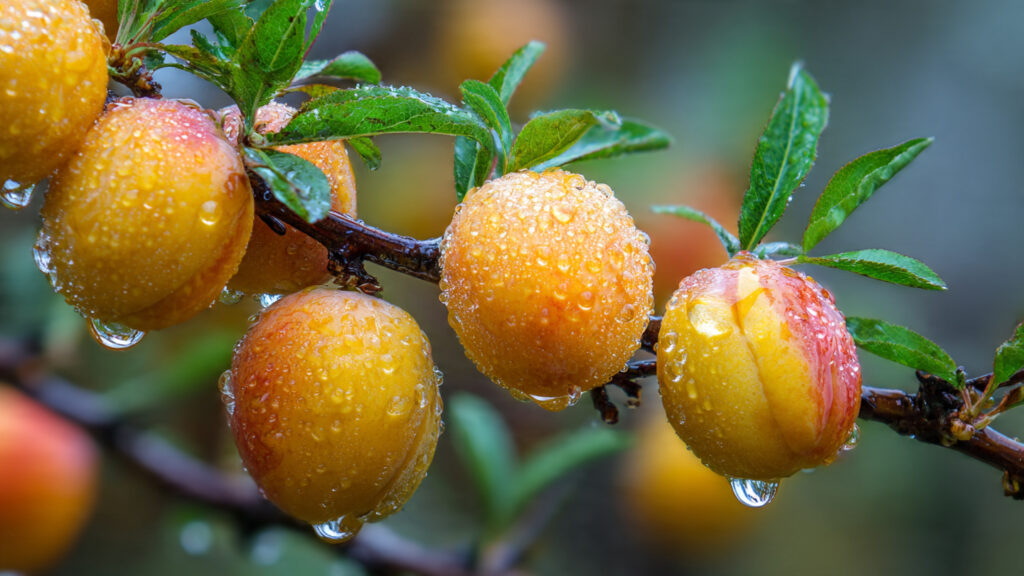
Fruit trees are the pride of any garden, offering beautiful blossoms in spring, delicious harvests in summer and autumn, and striking structure throughout the year. Yet, many gardeners overlook a critical step in maintaining their fruit trees’ health: the winter wash. Performing a winter wash, also known as a dormant spray or winter pruning wash, is an essential part of preparing your trees for a successful spring growth season.
In this article, we’ll explore why your fruit trees need a winter wash, how it benefits their health, and practical tips for performing this vital winter care routine.
Understanding the Winter Wash
A winter wash involves cleaning the tree trunks, branches, and bark during the dormant season, typically in late winter before buds start to swell. Unlike regular watering or fertilizing, a winter wash focuses on removing pests, fungi, and debris that have accumulated over the previous growing season.
This process not only prevents disease but also stimulates healthy growth when spring arrives. Winter washing is particularly important for fruit trees, as they are susceptible to a range of pests and fungal infections that can reduce fruit quality and yield if left untreated.
Why Fruit Trees Are Vulnerable in Winter
Although fruit trees appear dormant in winter, they are still at risk for pests and diseases. Some common threats include:
1. Insect Eggs and Larvae
- Many insects lay eggs in bark crevices or under loose bark during autumn.
- Aphids, scale insects, and mites can survive the winter in dormant eggs, hatching in spring to infest new growth.
2. Fungal Spores
- Fungi such as powdery mildew, apple scab, and canker can overwinter in branches, trunks, and fallen debris.
- Without intervention, these pathogens spread rapidly as temperatures rise and new growth emerges.
3. Bacterial Infections
- Dormant fruit trees can harbor bacterial pathogens that may trigger disease outbreaks once buds begin to swell.
- Winter washing reduces the microbial load on the tree, lowering the risk of infections.
By addressing these issues during winter, gardeners can give their fruit trees a head start for spring growth.
Benefits of a Winter Wash
Performing a winter wash provides multiple benefits for fruit trees, both immediate and long-term:
1. Reduces Pest Infestations
- Removing overwintering insects and eggs minimizes early spring infestations.
- Common targets include aphids, scale insects, and spider mites.
- Early pest control reduces the need for chemical sprays later in the season.
2. Prevents Disease
- Fungal and bacterial pathogens that overwinter in bark and crevices are removed during a winter wash.
- Diseases such as peach leaf curl, apple scab, and bacterial canker can be effectively prevented before they take hold.
3. Promotes Healthy Growth
- Trees that are free from pests and disease expend less energy defending themselves.
- Resources are redirected to developing strong buds, flowers, and eventually healthy fruit.
4. Improves Fruit Quality
- Healthy, well-maintained trees produce higher-quality fruits.
- Winter washing ensures that your fruit trees start the season clean and ready for optimum pollination, flowering, and fruiting.
5. Encourages Long-Term Tree Health
- Regular winter care strengthens trees, reduces stress, and increases their lifespan.
- Healthy trees are more resilient to environmental stressors such as drought, frost, and extreme temperatures.
How to Perform a Winter Wash on Fruit Trees
Performing a winter wash is straightforward if you follow proper steps. Here’s a guide for homeowners and gardeners:
Materials Needed
- Pruning shears: For removing dead or diseased branches.
- Soft brush or cloth: To scrub the bark gently.
- Dormant oil or horticultural oil: To smother overwintering pests.
- Water and mild soap: For general cleaning.
- Gloves and protective clothing: To protect yourself from oils or chemicals.
Step 1: Prune Dead or Diseased Wood
- Remove any broken, dead, or diseased branches.
- Dispose of pruned material away from the orchard to prevent disease spread.
- Pruning improves airflow and sunlight penetration, which further reduces pest and fungal problems.
Step 2: Clean the Bark
- Use a soft brush or cloth with warm, soapy water to gently scrub the trunk and larger branches.
- Remove moss, lichen, and accumulated debris where pests may hide.
Step 3: Apply Dormant Oil Spray
- Mix dormant oil according to manufacturer instructions.
- Coat the tree’s trunk and branches thoroughly, focusing on areas with cracks, crevices, or bark folds.
- Dormant oil suffocates overwintering insects and eggs without harming the tree.
Step 4: Inspect and Repeat if Necessary
- Check your trees for signs of remaining pests or disease.
- Repeat the wash or prune as needed to ensure a clean, healthy tree.
Tip: Always perform winter washing during dry weather when temperatures are above freezing, as water and oil sprays can damage frozen tissues.
Choosing the Right Products
Selecting the right product is crucial for an effective winter wash:
- Dormant oils: Safe and effective for killing overwintering insects.
- Horticultural soaps: Mild soaps can remove dirt, fungal spores, and pests without harming bark.
- Avoid harsh chemicals: Strong pesticides are unnecessary during the dormant period and may harm beneficial insects.
Many gardeners also use organic or homemade solutions, such as diluted neem oil or mild detergent solutions, to reduce chemical exposure.
Additional Winter Care Tips
A winter wash works best as part of a comprehensive dormant season care routine. Consider the following:
1. Mulching
- Apply a layer of organic mulch around the base of the tree to retain soil moisture and regulate temperature.
- Avoid piling mulch directly against the trunk to prevent rot.
2. Soil Management
- Check soil pH and nutrient levels during winter.
- Amend the soil with compost or organic fertilizer to prepare for spring growth.
3. Pest Monitoring
- Keep an eye out for early signs of pests even after the wash.
- Sticky traps or pheromone traps can help detect and manage early infestations.
4. Tree Support
- Winter is an ideal time to inspect tree supports, stakes, or ties to ensure stability before spring winds and growth.
Timing Your Winter Wash
Timing is critical for an effective winter wash:
- Perform the wash late in winter but before buds begin to swell.
- This ensures that overwintering pests are targeted before they become active and before the tree starts its new growth cycle.
- Avoid early winter when freezing conditions could harm the tree during washing.
Why Winter Washing Is Often Overlooked
Despite its importance, many gardeners skip winter washing due to:
- Lack of awareness about overwintering pests
- Perception that trees are dormant and don’t need attention
- Misconception that chemicals are only needed in spring or summer
Understanding that dormant trees are not completely inactive is key. Winter washing is a proactive step that can prevent costly pest and disease problems later.
➡️ How to Grow Malabar Spinach from Cuttings for Fast, Easy Greens
➡️ How to Grow Super Delicious Cabbage at Home Without a Garden
➡️ How to Grow Bean Sprouts at Home in Plastic Bottles Easily (Step‑by‑Step Guide)
➡️ Why is Your Lemon Tree Blooming in the Heart of Winter?
➡️ Why Should Your Garden Have a Dedicated Pollinator Highway?
➡️ Why Do Your Fruit Trees Need a Winter Wash to Thrive in Spring?
➡️ How Can Rice Water Transform Your Fruits into Sweeter Delights?
➡️ Jumpstart Your Winter Garden: Seed Starting Under Lights
Conclusion
A winter wash is a vital but often overlooked step in fruit tree care. By cleaning the bark, removing debris, and applying dormant oil, gardeners can prevent pest infestations, control fungal and bacterial diseases, and promote vigorous spring growth.
Performing a winter wash not only protects your trees but also enhances fruit quality, strengthens long-term health, and reduces the need for chemical interventions in the growing season. For any gardener seeking abundant, healthy fruit harvests, a simple winter wash can make the difference between a struggling orchard and a thriving one.
In essence, winter washing is not just maintenance—it’s an investment in the future health, productivity, and beauty of your fruit trees. By dedicating time and care during the dormant season, your trees will reward you with vibrant blooms, lush foliage, and a bountiful harvest come spring.