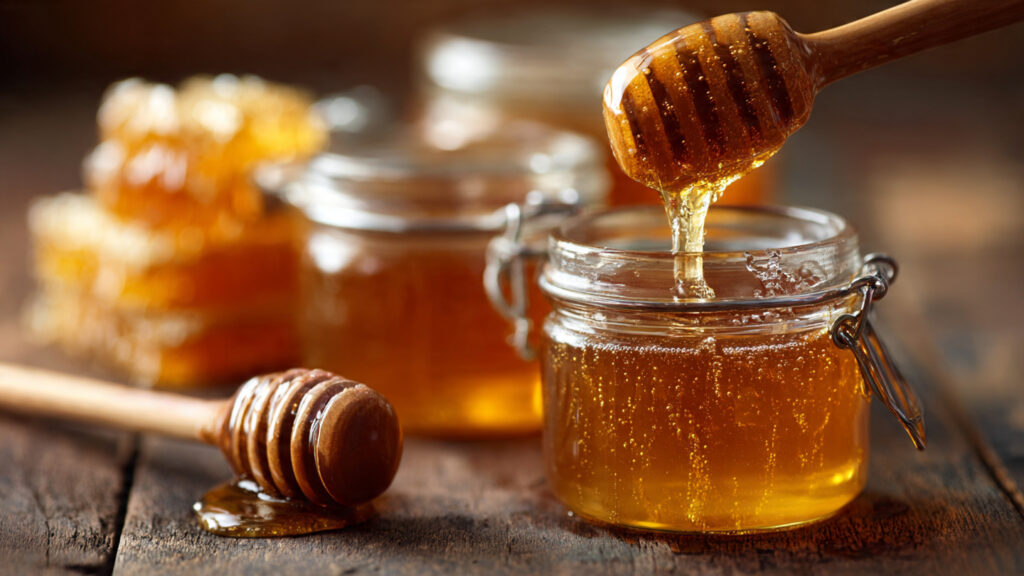
Propagating plants from cuttings is one of the most satisfying experiences for gardeners. Watching a simple stem develop roots and transform into a thriving plant is both rewarding and cost-effective. While commercial rooting hormones are widely available, many gardeners are turning to natural alternatives, and honey has emerged as one of the most effective organic solutions. But why does honey work so well as a rooting hormone? In this article, we’ll explore the science, the benefits, and the practical ways to use honey to encourage healthy root growth in cuttings.
Understanding Rooting Hormones
Before diving into honey, it’s important to understand what a rooting hormone is. Rooting hormones are substances that stimulate root development in plant cuttings. They usually contain auxins, which are plant hormones that signal the cells in a cutting to start producing roots. Commercial products often contain synthetic auxins, but natural alternatives like honey can achieve similar effects without chemicals.
The Science Behind Honey as a Rooting Hormone
Honey is more than just a sweetener—it is a natural powerhouse that supports plant growth. Several properties make honey effective for rooting:
- Natural Sugars: Honey contains simple sugars like glucose and fructose, which provide energy for the cutting. Root formation is an energy-intensive process, and the sugars in honey feed the developing cells.
- Enzymes: Honey contains natural enzymes, including glucose oxidase, which helps protect the cutting from infection. These enzymes also help regulate moisture and nutrient availability, creating an ideal environment for roots to grow.
- Antibacterial and Antifungal Properties: One of honey’s most important qualities is its ability to inhibit harmful microorganisms. When applied to cuttings, honey reduces the risk of fungal infections and bacterial growth, which are common causes of cutting failure.
- Hormone-like Effects: While honey doesn’t contain auxins in the same way synthetic rooting hormones do, it contains compounds that mimic plant hormones, encouraging cell division and root initiation.
These characteristics make honey a natural, safe, and effective rooting agent, perfect for organic gardeners and anyone looking to propagate plants without chemicals.
Benefits of Using Honey for Propagation
Using honey as a rooting hormone has several advantages:
- Cost-Effective: Honey is affordable and widely available compared to commercial rooting powders.
- Safe and Organic: Honey is non-toxic, making it safe for gardeners, children, and pets. It’s also suitable for organic gardening practices.
- Reduces Plant Stress: Unlike some synthetic hormones that can cause shock, honey gently stimulates root growth, reducing stress on the cutting.
- Increases Success Rates: Gardeners report higher success rates when using honey due to its antibacterial and antifungal properties, which protect vulnerable cuttings during early growth stages.
- Versatile: Honey works well with a wide range of plants, including hibiscus, roses, mint, geraniums, and even woody shrubs.
How to Use Honey for Cuttings
Using honey as a rooting hormone is simple and requires minimal equipment. Follow these steps for the best results:
1. Prepare Your Cuttings
- Select a healthy parent plant.
- Choose a stem that is 4–6 inches long with at least 2–3 nodes.
- Remove leaves from the lower half of the cutting to reduce moisture loss and focus energy on root development.
2. Prepare the Honey
- Use raw, organic honey for best results. Processed honey may lose some of its beneficial enzymes.
- Pour a small amount into a clean container. There is no need to dilute honey—it’s sticky enough to adhere to the cutting.
3. Dip the Cutting
- Dip the cut end of the stem into the honey. Make sure the bottom node is coated, as this is where roots will form.
- Shake off excess honey to prevent overly sticky residue.
4. Plant the Cutting
- Insert the honey-coated cutting into a moist, well-draining medium, such as a mixture of coco peat, perlite, and compost.
- Firm the soil gently around the cutting to remove air pockets.
- Water lightly to settle the soil.
5. Create a Rooting Environment
- Maintain high humidity by covering the cutting with a plastic bag or bottle.
- Keep the cutting in indirect sunlight and a warm environment (70–80°F or 21–27°C).
- Mist occasionally to prevent drying.
Tips for Maximum Success
- Use Fresh Cuttings: The fresher the cutting, the higher the success rate. Avoid using old or wilted stems.
- Monitor Moisture: Overwatering can lead to rot, even with honey. Keep the soil moist but not soggy.
- Be Patient: Rooting can take 3–8 weeks depending on the plant type. Check for resistance when gently tugging on the cutting to confirm root development.
- Transplant Carefully: Once roots are established, gradually acclimate the cutting to outdoor conditions before transplanting into a garden bed or larger pot.
- Avoid Contamination: Always use clean pots, tools, and hands to minimize the risk of infections.
Plants That Respond Well to Honey
While honey works for many plants, some species respond particularly well:
- Hibiscus: Produces strong roots quickly with honey coating.
- Roses: Honey reduces fungal infection and stimulates root initiation.
- Geraniums: Increases the chances of survival for tender cuttings.
- Mint and Basil: Perfect for herbs that root rapidly.
- Woody Shrubs: Provides protection for vulnerable stems.
Using honey with these plants not only increases success rates but also improves early growth vigor, giving the young plant a better start.
Organic Alternatives to Honey
While honey is highly effective, gardeners may also combine it with other organic options for better results:
- Cinnamon Powder: Another natural antifungal agent that can be applied to cut ends.
- Aloe Vera Gel: Contains growth-promoting compounds and keeps the cutting hydrated.
- Willow Water: Made from willow tree branches, it contains natural auxins to stimulate root growth.
Combining honey with these natural agents can create a robust, chemical-free rooting solution.
Common Mistakes to Avoid
Even with honey, cuttings can fail if not handled properly. Avoid these common errors:
- Using sugary syrups instead of raw honey: These may contain additives that encourage mold.
- Over-dipping: Too much honey can suffocate the cutting and prevent roots from forming.
- Exposing to direct sunlight: This can dry out the cutting and reduce rooting success.
- Neglecting hygiene: Dirty tools or soil can introduce pathogens that kill cuttings.
By following proper procedures and keeping these pitfalls in mind, your chances of success increase dramatically.
Conclusion
Honey is an excellent natural rooting hormone that combines antibacterial, antifungal, and growth-promoting properties, making it ideal for propagating plants from cuttings. Its sugars provide energy, enzymes protect against infection, and its hormone-like compounds stimulate root growth—all without the risks associated with synthetic chemicals.
For gardeners committed to organic and sustainable practices, honey offers a cost-effective, safe, and effective alternative to commercial rooting hormones. By carefully selecting cuttings, preparing them with honey, and providing optimal growing conditions, you can achieve remarkable propagation success.
The next time you want to grow hibiscus, roses, or even your favorite herbs from cuttings, reach for honey and experience the magic of nurturing new life naturally. Not only will your garden flourish, but you’ll also enjoy the satisfaction of organic gardening at its best—a small drop of honey, a stem, and the promise of new growth.
➡️ How to Grow Malabar Spinach from Cuttings for Fast, Easy Greens
➡️ How to Grow Super Delicious Cabbage at Home Without a Garden
➡️ How to Grow Bean Sprouts at Home in Plastic Bottles Easily (Step‑by‑Step Guide)
➡️ Why is Your Lemon Tree Blooming in the Heart of Winter?
➡️ Why Should Your Garden Have a Dedicated Pollinator Highway?
➡️ Why Do Your Fruit Trees Need a Winter Wash to Thrive in Spring?
➡️ How Can Rice Water Transform Your Fruits into Sweeter Delights?
➡️ Jumpstart Your Winter Garden: Seed Starting Under Lights