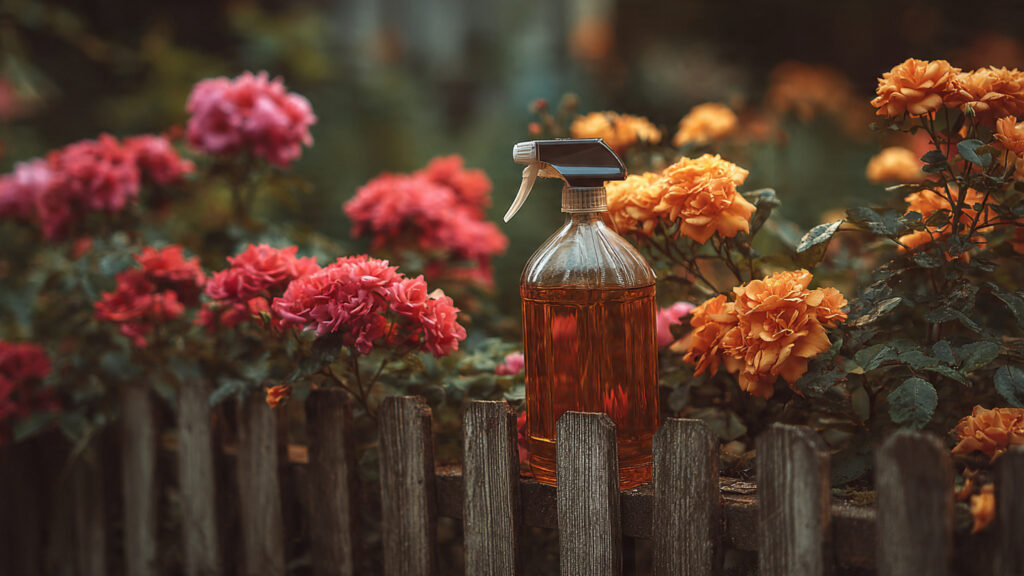
A beautiful flower garden is one of life’s simplest joys. Bright blooms, buzzing bees, and fresh fragrances can turn any outdoor space into a peaceful paradise.
But every gardener knows the struggle: pests.
From ants marching across flower beds to aphids sucking the life out of rosebuds, unwanted insects can quickly ruin even the healthiest garden. Many people turn to chemical pesticides, but these can harm pollinators, damage soil health, and introduce toxins into your outdoor environment.
That’s why more gardeners are looking for safer, natural alternatives—and one household item keeps standing out:
🌿 Vinegar.
So the big question is:
Why does vinegar work wonders for keeping your flower garden free of pests?
Let’s explore how vinegar helps, which pests it can discourage, and how to use it safely without harming your precious blooms.
Why Vinegar Is a Natural Pest Fighter
Vinegar, especially white vinegar and apple cider vinegar, has been used for centuries as a cleaning and disinfecting agent. But in the garden, it has another powerful benefit:
✅ It naturally repels many common pests.
The secret lies in vinegar’s main ingredient:
Acetic Acid
Acetic acid gives vinegar its strong smell and sour taste. Many insects dislike this odor, and the acidity can disrupt their bodies or environments.
Unlike harsh pesticides, vinegar is inexpensive, easy to find, and can be used in small controlled ways as part of eco-friendly gardening.
How Vinegar Helps Keep Garden Pests Away
Vinegar works in several pest-control-friendly ways:
1. Vinegar’s Strong Smell Repels Insects
Many pests rely heavily on scent to find plants, flowers, and food sources. Vinegar’s sharp odor can confuse or discourage them.
➡️ How to Grow Malabar Spinach from Cuttings for Fast, Easy Greens
➡️ How to Grow Super Delicious Cabbage at Home Without a Garden
➡️ How to Grow Bean Sprouts at Home in Plastic Bottles Easily (Step‑by‑Step Guide)
➡️ Why is Your Lemon Tree Blooming in the Heart of Winter?
➡️ Why Should Your Garden Have a Dedicated Pollinator Highway?
➡️ Why Do Your Fruit Trees Need a Winter Wash to Thrive in Spring?
➡️ How Can Rice Water Transform Your Fruits into Sweeter Delights?
➡️ Jumpstart Your Winter Garden: Seed Starting Under Lights
Common pests repelled by vinegar include:
- Ants
- Fruit flies
- Mosquitoes
- Some beetles
- Gnats
By masking the scent of flowers and soil, vinegar makes your garden less inviting to unwanted visitors.
2. Vinegar Disrupts Ant Trails
Ants are one of the most common garden pests. While ants don’t always harm plants directly, they often “farm” aphids for their sweet honeydew, protecting them from predators.
Vinegar works wonders because it destroys the scent trails ants use to travel.
Simple ant deterrent spray:
- 1 part vinegar
- 1 part water
Spray along garden edges, walkways, or ant entry points.
🚫 Avoid spraying directly on delicate flowers.
3. Vinegar Can Help Reduce Aphid Problems
Aphids are tiny insects that cluster on new growth, buds, and stems, sucking plant sap and weakening blooms.
While vinegar should never be used full-strength on plants, a heavily diluted solution can help deter aphids when used carefully.
Gentle aphid spray (use sparingly):
- 1 tablespoon vinegar
- 1 liter water
- A few drops of mild dish soap
Test on one leaf first before applying widely.
4. Vinegar Helps Keep Slugs and Snails Away
Slugs and snails can destroy flower seedlings overnight, leaving behind ragged holes and slime trails.
Vinegar’s acidity irritates these soft-bodied pests, making it an effective barrier in certain areas.
How to use:
- Spray vinegar solution around pots or raised beds
- Never spray directly on plants
For heavy slug problems, vinegar is best used as part of a larger strategy, including hand-picking and barriers.
5. Vinegar Can Prevent Some Fungal Growth That Attracts Pests
Some pests thrive in damp, moldy conditions. Vinegar has mild antifungal properties, which can help reduce mold or mildew in garden spaces.
For example:
- Fungus gnats often appear when soil stays too wet
- Vinegar traps can reduce adult gnats indoors or near potted flowers
Vinegar Traps: A Clever Way to Catch Flying Pests
One of the most popular vinegar pest-control tricks is the vinegar trap.
Apple Cider Vinegar Trap for Fruit Flies and Gnats
Fruit flies and small gnats are drawn to the sweet smell of apple cider vinegar.
DIY trap:
- Small bowl or jar
- ½ cup apple cider vinegar
- 1 drop dish soap
The soap breaks surface tension, causing insects to sink.
Place near flower pots, compost, or problem areas.
Best Ways to Use Vinegar in a Flower Garden (Safely)
Vinegar is powerful, but it must be used correctly. Too much can damage plants, soil, and beneficial insects.
Here are the safest ways to use it:
Use Vinegar Around the Garden, Not On Flowers
Vinegar is acidic enough to burn leaves and petals.
✔ Best places to spray:
- Garden borders
- Fence lines
- Pathways
- Under pots
- Non-plant surfaces
Avoid spraying directly on blooms.
Always Dilute Vinegar
Never use full-strength vinegar in flower beds.
A safe general dilution:
- 1 part vinegar
- 3–4 parts water
For sensitive flowers, dilute even more.
Spot Test First
Before spraying near your plants, test on a small leaf area and wait 24 hours.
If you see browning or wilting, stop immediately.
Apply Early Morning or Evening
Spraying vinegar in hot sunlight can cause plant burn.
Best time:
- Early morning
- Late afternoon
- Evening
What Pests Does Vinegar NOT Control?
While vinegar is helpful, it isn’t a miracle cure for everything.
Vinegar is less effective against:
- Caterpillars
- Japanese beetles
- Spider mites
- Large infestations of aphids
- Root-dwelling pests
For these, consider neem oil, companion planting, or biological controls like ladybugs.
Does Vinegar Harm Beneficial Garden Insects?
Yes, it can if misused.
Pollinators like bees and butterflies are essential for flower gardens. Spraying vinegar directly on flowers can discourage or harm them.
To protect beneficial insects:
✅ Spray only targeted areas
✅ Avoid open blooms
✅ Never spray during peak pollinator activity
Natural gardening is all about balance.
Extra Natural Pest Prevention Tips
Vinegar works best when combined with other eco-friendly methods:
Companion Planting
Plant pest-repelling flowers like:
- Marigolds
- Lavender
- Nasturtiums
- Chrysanthemums
Encourage Helpful Insects
Ladybugs, lacewings, and bees help control pests naturally.
Keep Soil Healthy
Strong plants resist pests better.
Remove Dead Leaves
Pests hide in debris—clean beds regularly.
Final Thoughts: Why Vinegar Is a Garden Secret Weapon
Vinegar works wonders for keeping flower gardens free of pests because it is:
🌿 Natural
🌿 Affordable
🌿 Easy to use
🌿 Effective as a repellent and trap ingredient
🌿 Safer than harsh chemicals when applied correctly
While vinegar won’t replace every pest-control method, it’s an excellent tool for gardeners who want a healthier, more eco-friendly approach.
With careful use, vinegar can help you protect your blooms, keep pests away, and enjoy a thriving flower garden all season long.