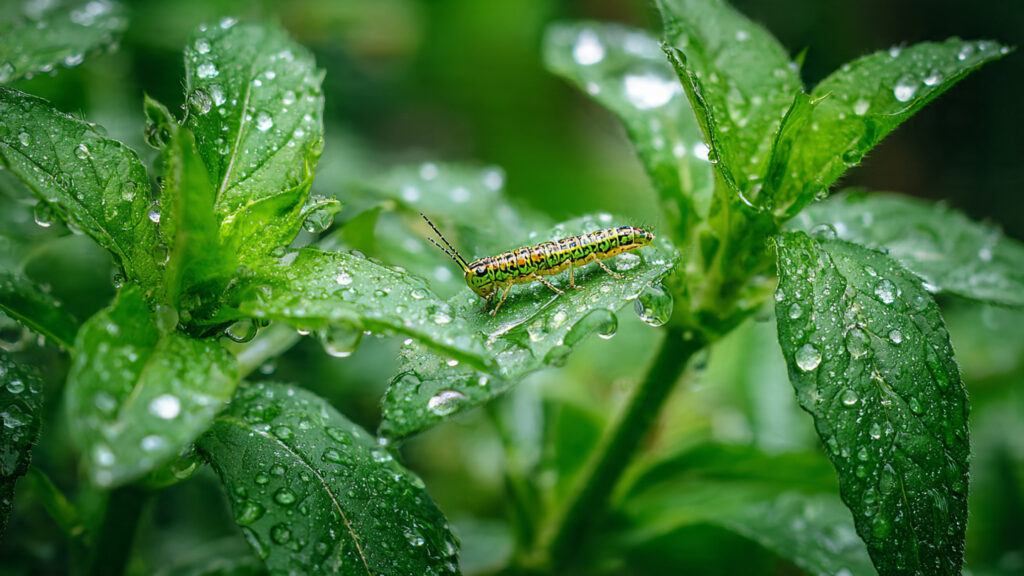
Every gardener knows the frustration of nurturing lush, vibrant plants only to watch pests wreak havoc. Insects like aphids, caterpillars, beetles, and whiteflies can quickly damage leaves, flowers, and fruits, reducing both yield and aesthetic appeal. While pesticides are an option, many gardeners prefer natural and sustainable pest control methods that protect their plants and the surrounding environment. One such clever strategy is using a sacrifice plant—a plant specifically grown to attract pests away from your main crops.
In this article, we’ll explore what a sacrifice plant is, why your garden needs one, the science behind it, and how to implement this strategy effectively to deter bugs while supporting a thriving garden ecosystem.
What Is a Sacrifice Plant?
A sacrifice plant (also called a trap crop) is a plant grown specifically to lure pests away from more valuable or sensitive plants. These plants act as decoys, drawing insects toward themselves so your main crops remain protected.
Key characteristics of a good sacrifice plant:
- Highly attractive to specific pests compared to nearby crops.
- Fast-growing or hardy enough to withstand pest attacks.
- Easy to replace or tolerate some damage without affecting your garden.
For example, nasturtiums are often planted near tomatoes or cabbages because they attract aphids and whiteflies, which would otherwise attack the main crops.
How Sacrifice Plants Work
The principle behind sacrifice plants is simple but effective: pests naturally gravitate toward plants they prefer. By providing a more appealing alternative, gardeners can redirect pest activity.
Mechanisms include:
- Olfactory cues: Many insects locate plants through scent. Sacrifice plants often emit stronger or more attractive fragrances than the main crops.
- Taste preference: Some pests find certain plants more palatable or nutritious.
- Visual cues: Brightly colored or leafy plants can attract insects visually.
By exploiting these preferences, gardeners can reduce pest pressure on their primary crops without chemicals.
Benefits of Using Sacrifice Plants
Using sacrifice plants offers multiple advantages beyond simply protecting your main garden crops:
1. Reduced Pesticide Use
Chemical pesticides can harm beneficial insects, soil health, and the surrounding ecosystem. Sacrifice plants naturally reduce pest pressure, minimizing the need for chemical interventions.
2. Improved Crop Health
With fewer pests feeding on the main crops, plants can thrive, producing healthier leaves, flowers, and fruits. Reduced pest stress also lowers the risk of secondary diseases carried by insects.
3. Encourages Biodiversity
Sacrifice plants attract both pests and beneficial insects. Predatory insects, like ladybugs and lacewings, often follow aphids to the sacrifice plants, creating a balanced ecosystem that naturally controls pest populations.
4. Cost-Effective and Sustainable
Growing trap crops is relatively inexpensive compared to ongoing pesticide applications. They also reduce environmental impact, supporting sustainable and organic gardening practices.
Popular Sacrifice Plants and Their Uses
Different crops attract different pests, so the choice of sacrifice plant depends on your main garden crops and the insects you want to deter.
1. Nasturtiums
- Pests Attracted: Aphids, whiteflies, flea beetles
- Best For Protecting: Tomatoes, cabbages, cucumbers
- Benefits: Nasturtiums are fast-growing, hardy, and edible. They can be harvested for salads while performing their pest-control role.
2. Marigolds
- Pests Attracted: Nematodes, whiteflies, thrips
- Best For Protecting: Tomatoes, peppers, beans
- Benefits: Marigolds release compounds in their roots and leaves that repel some pests while attracting others, such as hoverflies, which prey on harmful insects.
3. Radishes
- Pests Attracted: Flea beetles, root maggots
- Best For Protecting: Cabbages, broccoli, other brassicas
- Benefits: Radishes grow quickly and can be harvested once pests are concentrated on them, reducing pressure on surrounding crops.
4. Sunflowers
- Pests Attracted: Aphids, leafhoppers
- Best For Protecting: Beans, squash, and other nearby plants
- Benefits: Tall and visually appealing, sunflowers serve as both a pest trap and a habitat for pollinators.
5. Clover and Alfalfa
- Pests Attracted: Leafhoppers, aphids, caterpillars
- Best For Protecting: Vegetables and flowering plants
- Benefits: These legumes improve soil fertility while attracting pests away from more delicate crops.
Strategic Placement of Sacrifice Plants
Proper placement is essential for a trap crop to be effective. Consider the following guidelines:
➡️ How to Grow Malabar Spinach from Cuttings for Fast, Easy Greens
➡️ How to Grow Super Delicious Cabbage at Home Without a Garden
➡️ How to Grow Bean Sprouts at Home in Plastic Bottles Easily (Step‑by‑Step Guide)
➡️ Why is Your Lemon Tree Blooming in the Heart of Winter?
➡️ Why Should Your Garden Have a Dedicated Pollinator Highway?
➡️ Why Do Your Fruit Trees Need a Winter Wash to Thrive in Spring?
➡️ How Can Rice Water Transform Your Fruits into Sweeter Delights?
➡️ Jumpstart Your Winter Garden: Seed Starting Under Lights
- Surround Main Crops: Plant sacrifice plants in a border or perimeter around your main garden beds.
- Interplant Within Crops: Scatter trap crops among the main plants to lure pests away from critical areas.
- Near Pest Entry Points: Place trap plants near fences, walkways, or other areas where pests are likely to enter.
- Keep Replacement Plants Ready: Sacrifice plants may need to be replaced as they become infested.
By thinking strategically about placement, gardeners maximize the protective effect without crowding their main crops.
Timing Is Key
The effectiveness of a sacrifice plant depends on timing. The trap crop must be established and ready before pests arrive in large numbers.
- Early Planting: Plant sacrifice crops a few weeks before the main crops to ensure they are mature and attractive to pests.
- Succession Planting: Some trap crops, like radishes or marigolds, can be replanted in waves to continuously attract pests throughout the growing season.
- Monitor Growth: Observe which plants pests are gravitating toward and adjust planting as needed.
Correct timing ensures that pests are diverted away from the main garden when it matters most.
Limitations and Considerations
While sacrifice plants are highly effective, gardeners should be aware of potential limitations:
- Pest Concentration: Trap crops can attract large numbers of insects, so regular monitoring is essential to prevent overflow onto main crops.
- Space Requirements: Some trap plants, like sunflowers, require space and may compete for sunlight or nutrients.
- Species-Specific Attraction: Not all pests are attracted to trap crops; knowledge of local pest behavior is important.
- Additional Maintenance: Sacrifice plants may require care similar to other garden crops to remain effective.
Understanding these limitations helps gardeners plan a successful pest management strategy.
Integrating Sacrifice Plants with Other Natural Methods
Sacrifice plants work best as part of a comprehensive, integrated pest management (IPM) strategy:
- Encourage Beneficial Insects: Ladybugs, lacewings, and predatory wasps help keep pest populations in check.
- Use Companion Planting: Plants like basil, rosemary, and thyme can repel specific pests while complementing trap crops.
- Maintain Healthy Soil: Fertile, well-drained soil supports robust plants that are less vulnerable to damage.
- Physical Barriers: Row covers or netting can provide additional protection for sensitive crops.
Combining these strategies ensures a resilient, low-chemical garden ecosystem.
Final Thoughts
Sacrifice plants are a simple yet ingenious tool in sustainable gardening. By attracting pests away from valuable crops, they allow gardens to thrive naturally, reduce pesticide use, and support a balanced ecosystem. From nasturtiums and marigolds to sunflowers and radishes, these trap crops are versatile, attractive, and easy to integrate into any garden design.
Using sacrifice plants not only protects your harvest but also encourages biodiversity, providing habitats for beneficial insects and pollinators. With strategic placement, proper timing, and integration with other natural pest management methods, gardeners can enjoy healthier plants, higher yields, and a more vibrant, sustainable garden.
In essence, a sacrifice plant is not just a tool—it’s an investment in the long-term resilience and beauty of your garden. By embracing this technique, you’re letting nature do much of the work, creating a garden that is both productive and ecologically harmonious.