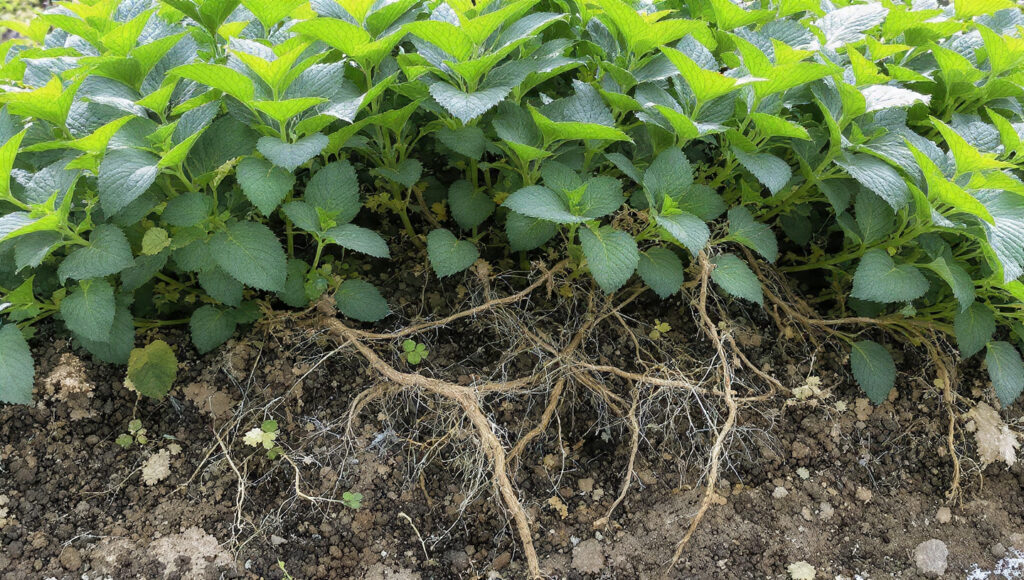
Mint is one of the most beloved herbs in home gardens. Its refreshing fragrance, fast growth, and culinary versatility make it a favorite for teas, desserts, salads, and savory dishes. At first glance, mint seems like the perfect beginner-friendly plant—hardy, low-maintenance, and vigorous.
But that very vigor is exactly why planting mint directly in the ground can be a costly mistake.
If you’ve ever heard gardeners warn, “Never plant mint in open soil,” there’s a good reason. Let’s explore why mint can quickly become a garden invader, what happens when it’s planted directly in the ground, and how you can grow it safely without regret.
Mint’s Aggressive Growth Habit
Mint, particularly common varieties like spearmint and peppermint, spreads through underground stems called rhizomes. These horizontal roots travel beneath the soil surface, sending up new shoots wherever they go.
Unlike many herbs that grow in tidy clumps, mint doesn’t stay where you plant it. Instead, it:
- Expands outward rapidly
- Pops up in unexpected locations
- Forms dense mats of roots
- Competes aggressively with nearby plants
When planted directly in the ground, mint can take over garden beds in a single growing season. What starts as a small herb patch can quickly become a sprawling mint colony.
It Can Overpower Other Plants
Mint doesn’t just spread—it dominates.
Its dense root system competes fiercely for water, nutrients, and space. Neighboring vegetables, flowers, and herbs may struggle as mint crowds them out.
In mixed garden beds, mint can:
- Choke out delicate herbs like basil and parsley
- Outcompete shallow-rooted vegetables
- Block sunlight from smaller plants
- Disrupt carefully planned garden layouts
Even perennials can struggle against mint’s relentless expansion.
Gardeners who once carefully designed their beds often find themselves battling mint runners creeping into every corner.
It’s Extremely Difficult to Remove
Perhaps the biggest mistake in planting mint directly in the ground is underestimating how hard it is to remove.
Mint’s underground rhizomes break easily. Even a small root fragment left behind can regenerate into a new plant. Digging it out once rarely solves the problem.
To completely eliminate ground-planted mint, you may need to:
- Dig deeply and repeatedly
- Sift through soil to remove root fragments
- Monitor the area for months or years
- Remove new shoots as soon as they appear
In some cases, gardeners resort to completely replacing the soil in affected beds.
➡️ How to Grow Malabar Spinach from Cuttings for Fast, Easy Greens
➡️ How to Grow Super Delicious Cabbage at Home Without a Garden
➡️ How to Grow Bean Sprouts at Home in Plastic Bottles Easily (Step‑by‑Step Guide)
➡️ Why is Your Lemon Tree Blooming in the Heart of Winter?
➡️ Why Should Your Garden Have a Dedicated Pollinator Highway?
➡️ Why Do Your Fruit Trees Need a Winter Wash to Thrive in Spring?
➡️ How Can Rice Water Transform Your Fruits into Sweeter Delights?
➡️ Jumpstart Your Winter Garden: Seed Starting Under Lights
What seemed like a harmless herb can turn into a long-term management challenge.
It Can Spread Beyond Your Garden
Mint doesn’t recognize property boundaries.
If planted near lawn edges, fences, or open soil, it can creep into:
- Lawns
- Pathways
- Neighboring yards
- Wild areas
In some climates, mint behaves like an invasive species. Once established, it can displace native plants and reduce biodiversity.
While mint isn’t invasive everywhere, its aggressive nature makes it risky in open ground settings.
It Disrupts Crop Rotation Plans
Gardeners who practice crop rotation to maintain soil health and reduce pests may find mint interfering with their plans.
Because mint is perennial and persistent, it remains in place year after year. If it spreads into vegetable beds, it can complicate seasonal planting rotations.
Instead of being able to rework beds each year, you may find yourself constantly working around mint colonies.
It Attracts Attention—Not Always in a Good Way
Mint’s strong scent is wonderful for humans, but its dense growth can create moist, shaded areas that harbor pests such as:
- Slugs
- Snails
- Certain insects
While mint can repel some pests, its thick mats can also create hiding spots for others.
Uncontrolled mint patches may become messy and difficult to manage, reducing airflow and increasing humidity in garden beds.
Why Mint Seems So Harmless at First
Many gardeners make the mistake because mint looks manageable when first planted.
In its early weeks, mint appears:
- Compact
- Attractive
- Easy to control
The rapid underground spread often goes unnoticed until new shoots start emerging far from the original planting spot.
By the time you realize how far it has traveled, it may already have established a strong root network.
When Is It Safe to Plant Mint in the Ground?
There are limited situations where planting mint directly in the ground can work:
- In isolated garden sections surrounded by hard barriers.
- In large rural properties where spreading is not a concern.
- In contained beds with deep root barriers installed.
If you choose to plant mint in the ground, installing physical barriers at least 12–18 inches deep around the planting area can help contain rhizomes.
However, even with barriers, vigilance is required.
The Best Way to Grow Mint: Containers
The simplest and most effective solution is growing mint in containers.
Containers allow you to:
- Control its spread
- Move it as needed
- Protect surrounding plants
- Keep roots confined
Mint thrives in pots, grow bags, and raised containers. In fact, it often grows even better because the environment is easier to manage.
For best results:
- Choose a pot at least 10–12 inches wide.
- Use well-draining soil.
- Water regularly, as container soil dries faster.
- Trim frequently to encourage bushy growth.
You can even sink the pot into the ground while keeping the rim above soil level to maintain a contained appearance in garden beds.
Regular Pruning Is Essential
Even in containers, mint benefits from regular pruning.
Frequent harvesting:
- Prevents legginess
- Encourages dense growth
- Delays flowering
- Maintains strong flavor
If allowed to flower, mint can also spread by seed, though rhizomes remain its primary expansion method.
Keeping it trimmed helps maintain both appearance and flavor quality.
Alternative Approaches for Garden Lovers
If you love mint but don’t want to risk garden takeover, consider:
- Growing it in hanging baskets
- Using decorative pots on patios
- Planting in raised beds with solid bottoms
- Creating a dedicated herb container garden
These options allow you to enjoy mint’s fragrance and flavor without sacrificing your garden’s balance.
Varieties Matter—but Not Enough
Different types of mint, such as spearmint, peppermint, chocolate mint, and apple mint, all share aggressive spreading habits to varying degrees.
While some varieties may be slightly less invasive, most common garden mints behave similarly underground.
Assuming a specific variety will “stay put” is often wishful thinking.
The Long-Term Perspective
Gardening is about planning for seasons and years ahead. When you plant a perennial herb like mint directly into open soil, you are making a long-term decision.
What seems convenient today may require significant effort later.
Many experienced gardeners share stories of mint battles that lasted years. The lesson is consistent: containment from the start prevents future headaches.
Final Thoughts: A Small Decision with Big Consequences
Mint is not a bad plant. In fact, it is incredibly useful, resilient, and rewarding to grow. The mistake lies not in growing mint—but in underestimating it.
Planting mint directly in the ground gives it freedom to spread without limits. Over time, it can dominate beds, compete with other plants, and become difficult to remove.
By choosing containers or installing proper barriers, you can enjoy fresh mint without risking garden chaos.
In gardening, thoughtful planning makes all the difference. And when it comes to mint, a little containment today can save years of frustration tomorrow.