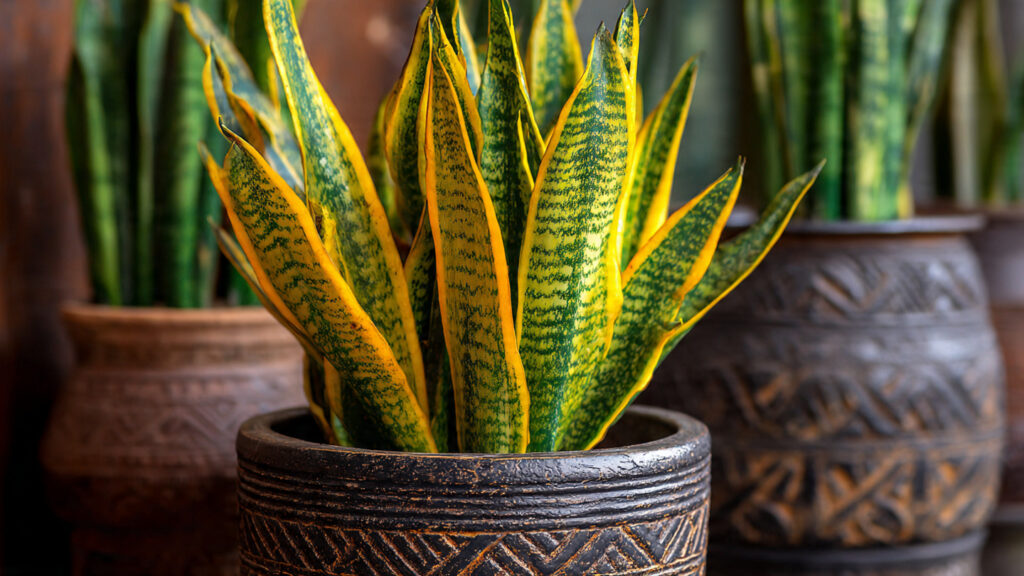
Few houseplants have achieved the legendary status of the snake plant. Its sharp, upright leaves and striking variegation make it a popular choice for homes and offices alike. But among the many varieties of snake plants, there is one that stands out—not just for its beauty, but for its legendary resilience. Gardeners and plant enthusiasts often call it “nearly indestructible.” So, what makes this particular snake plant so hardy? In this article, we’ll explore the characteristics, care tips, and science behind this amazing plant that seems almost impossible to kill.
The Snake Plant Family: A Quick Overview
Snake plants, scientifically known as Sansevieria (recently reclassified under the genus Dracaena), are native to West Africa. They are famous for their upright, sword-like leaves and tolerance to a wide range of indoor conditions. Most varieties can survive low light, irregular watering, and even occasional neglect, making them a favorite among beginners.
But within this resilient family, there is one variety that truly earns the title of “nearly indestructible”: the Sansevieria trifasciata ‘Laurentii’, often simply called the “Laurentii snake plant.” Its thick, waxy leaves, golden edges, and extraordinary adaptability have earned it legendary status in homes, offices, and even hospital environments.
What Makes the Laurentii Snake Plant So Hardy?
Several factors contribute to the extraordinary resilience of this snake plant:
1. Tough, Waxy Leaves
The Laurentii snake plant has thick, stiff leaves coated with a waxy layer. This coating minimizes water loss through evaporation, allowing the plant to survive long periods without watering. Even if neglected for weeks, the leaves retain moisture, keeping the plant alive while less hardy species might wilt or rot.
2. Slow Growth Pattern
Unlike fast-growing plants that require constant care, the Laurentii grows slowly. Slow growth reduces nutrient demands and limits stress, meaning the plant can thrive even in suboptimal conditions. This is a key reason why it is often recommended for busy people or those new to houseplants.
3. Adaptable to Light Conditions
While most plants struggle when moved from bright sunlight to a dim room, the Laurentii snake plant is exceptionally adaptable. It can tolerate bright, indirect light, partial shade, and even low-light corners of homes and offices. Though it grows best in moderate indirect light, its ability to survive in low light makes it nearly indestructible indoors.
4. Resistance to Pests and Diseases
One of the standout features of this snake plant is its resistance to common pests such as spider mites, aphids, and mealybugs. Its tough leaves and low-maintenance lifestyle make it less prone to fungal or bacterial infections compared to more delicate plants.
5. Tolerance for Irregular Watering
Perhaps the most celebrated trait of the Laurentii snake plant is its tolerance to inconsistent watering. Overwatering is the most common way people accidentally kill houseplants, yet this snake plant thrives even with occasional neglect. Its roots store water efficiently, preventing rot unless exposed to extreme overwatering over a long period.
Ideal Conditions to Keep It Thriving
While the Laurentii snake plant is nearly indestructible, knowing its preferences ensures it stays vibrant and healthy for years. Here’s what you need to know:
- Soil: Use a well-draining mix, ideally a cactus or succulent soil. Avoid heavy, water-retentive soils that can trap moisture around the roots.
- Watering: Water sparingly. Allow the soil to dry completely between watering sessions. During winter, watering can be reduced further.
- Light: While tolerant of low light, bright indirect sunlight encourages the golden edges to glow vividly.
- Temperature: It prefers temperatures between 60–85°F (15–29°C). Avoid frost and prolonged exposure to cold drafts.
- Potting: Choose a pot with drainage holes. Repotting is rarely needed since the Laurentii grows slowly.
Why Is It Called “Nearly Indestructible”?
The Laurentii snake plant earns this title because it can survive almost anything a typical indoor environment throws at it. Here’s what makes it stand out:
- Survives Neglect: You can forget to water it for weeks or place it in low-light corners, and it will continue to survive.
- Thrives with Minimal Care: It doesn’t demand frequent fertilization, pruning, or repotting.
- Long Lifespan: With basic care, a Laurentii snake plant can live for decades, making it a lifetime companion for your indoor garden.
- Air-Purifying Abilities: While hardy, it still provides benefits like filtering toxins from the air, adding functional value alongside its decorative appeal.
This combination of resilience, longevity, and usefulness explains why it has earned the title of “nearly indestructible.”
Common Misconceptions About Snake Plants
Despite their reputation for toughness, snake plants do have limits. Understanding these misconceptions can help you avoid accidentally harming your plant:
- “They Don’t Need Light at All” – While tolerant of low light, no plant can survive in complete darkness. A few hours of indirect sunlight keeps the plant healthy and vibrant.
- “Watering Frequently Helps” – Overwatering is still the main cause of death for snake plants. Their roots are sensitive to constant moisture, leading to rot.
- “They Don’t Need Any Care” – Even indestructible plants benefit from occasional care: removing dead leaves, dusting foliage, and repotting every few years if needed.
Propagating the Laurentii Snake Plant
Another reason this variety is beloved is its ease of propagation. You can grow new plants from leaves, rhizomes, or divisions. Here’s how:
- Leaf Cuttings: Cut a healthy leaf and let it dry for a day or two to form a callus. Insert it in well-draining soil. Roots will form over several weeks.
- Division: During repotting, separate a clump of rhizomes and plant in new pots. Each section can grow into a full, healthy plant.
Propagation ensures that even if a plant suffers minor damage, it can continue to thrive in new generations, adding to its reputation as indestructible.
➡️ How to Grow Malabar Spinach from Cuttings for Fast, Easy Greens
➡️ How to Grow Super Delicious Cabbage at Home Without a Garden
➡️ How to Grow Bean Sprouts at Home in Plastic Bottles Easily (Step‑by‑Step Guide)
➡️ Why is Your Lemon Tree Blooming in the Heart of Winter?
➡️ Why Should Your Garden Have a Dedicated Pollinator Highway?
➡️ Why Do Your Fruit Trees Need a Winter Wash to Thrive in Spring?
➡️ How Can Rice Water Transform Your Fruits into Sweeter Delights?
➡️ Jumpstart Your Winter Garden: Seed Starting Under Lights
Perfect for Busy People and Beginners
The Laurentii snake plant’s resilience makes it ideal for:
- Beginners: People new to houseplants can confidently care for it with minimal guidance.
- Offices: Low-maintenance, air-purifying, and attractive, it thrives in cubicles or reception areas.
- Frequent Travelers: Even if you leave your home unattended for weeks, the plant will survive.
Its ability to adapt, tolerate neglect, and maintain its striking appearance makes it a must-have for any indoor garden.
Conclusion: A Plant That Truly Lives Up to Its Reputation
The Laurentii snake plant is more than just a pretty houseplant—it’s a marvel of resilience. Its thick waxy leaves, slow growth, tolerance to low light, and resistance to neglect make it nearly indestructible. Whether you’re a beginner looking for a hassle-free plant, a busy professional who forgets to water occasionally, or a seasoned gardener wanting a hardy addition to your collection, this snake plant delivers.
Owning a Laurentii snake plant is like having a green companion that quietly thrives in your space, reminding you that beauty and durability can coexist. Its legendary toughness, coupled with its air-purifying benefits and elegant design, ensures it remains a top choice for plant enthusiasts worldwide.
So, the next time someone asks why this specific snake plant is considered nearly indestructible, you’ll know: it’s a combination of nature’s smart design, low-maintenance needs, and a remarkable capacity to adapt to almost any indoor environment. With a Laurentii snake plant in your home, you truly have a plant that can survive anything life throws at it—and still look stunning while doing so.