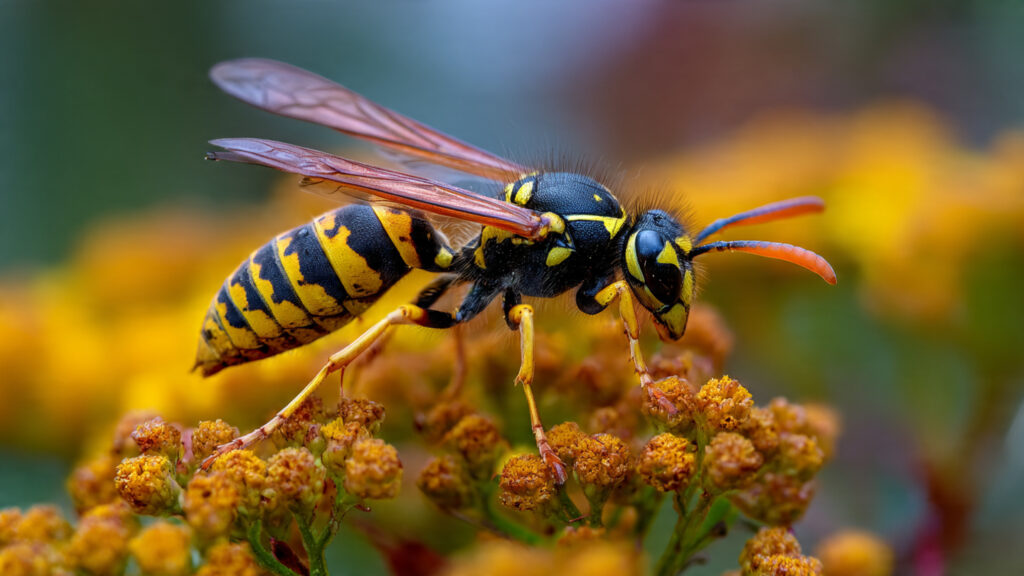
A buzzing garden is often a sign of life and fertility, but sometimes the balance of pollinators seems off. You might notice that wasps are more prevalent than bees, leading to concern among gardeners. While bees are celebrated for their pollination, wasps play an equally important but often misunderstood role in the garden ecosystem. Understanding why your garden attracts more wasps than bees—and the benefits they bring—can help you embrace a healthy, balanced garden environment.
In this article, we’ll explore the reasons behind wasp dominance in gardens, the ecological advantages of wasps, and practical tips for coexisting with these often-misunderstood insects.
Why Your Garden Attracts More Wasps Than Bees
Several factors can lead to a garden attracting more wasps than bees. Recognizing these factors helps explain their behavior and how to maintain a healthy pollinator balance.
1. Availability of Food Sources
Wasps are omnivorous, feeding on nectar, fruit, and other insects. If your garden has abundant sugary fruit, fallen produce, or flowering plants that produce nectar in small amounts, wasps may dominate over bees, which prefer larger clusters of pollen-rich flowers.
- Example: Ripening tomatoes, overripe berries, or fruit trees with exposed fruit are irresistible to many wasp species.
2. Habitat and Nesting Preferences
Wasps often nest in sheltered areas like eaves, shrubs, or soil cavities. Gardens with hedges, compost piles, or wooden structures may provide ideal nesting spots, attracting higher wasp populations. Bees, especially solitary species, require specific nesting sites that might be limited in urban or suburban gardens.
3. Weather and Seasonal Changes
Certain weather conditions favor wasps over bees. Wasps are more active in hot, dry weather when nectar and sugary foods are abundant. Late summer and early autumn often see a spike in wasp activity as colonies expand, while some bee species may slow down or finish their seasonal cycles.
4. Reduced Bee Populations
Bee numbers may be low due to pesticide use, habitat loss, or disease, making wasps more noticeable. In areas with fewer flowers suitable for bees, wasps fill the ecological niche by controlling pests and visiting available plants for nectar.
Ecological Benefits of Wasps in Your Garden
Though often feared for their sting, wasps bring several advantages that support a thriving garden ecosystem.
1. Natural Pest Control
Wasps are voracious predators of insects like caterpillars, aphids, and beetle larvae. Many species hunt pests that damage plants, effectively acting as natural insecticides.
- Example: Paper wasps and yellowjackets feed on garden pests, reducing the need for chemical sprays.
- Benefit: Healthier plants with fewer diseases and higher yields.
2. Pollination Assistance
While not as efficient as bees, wasps contribute to pollination. They feed on nectar and inadvertently transfer pollen between flowers. Certain plants, like figs and orchids, rely on specialized wasp species for reproduction.
- Example: Fig trees cannot fruit without the specific fig wasp that pollinates them.
- Benefit: Enhances biodiversity and supports a variety of flowering plants in your garden.
3. Soil Aeration
Ground-nesting wasps create burrows that loosen and aerate soil, improving water infiltration and root growth. Their tunnels also support beneficial soil microbes, indirectly contributing to plant health.
- Benefit: Improved soil structure and fertility without heavy machinery or human effort.
4. Supporting Food Chains
Wasps are an essential food source for birds, spiders, and other wildlife. A garden with a healthy wasp population encourages balanced ecosystems, supporting a wide range of species.
- Benefit: Greater biodiversity, pest regulation, and ecological stability.
5. Composting Assistance
Some wasp species feed on rotting fruit and organic matter. By breaking down fallen produce, wasps contribute to nutrient cycling, enriching soil naturally.
- Benefit: Reduces waste and supports sustainable gardening practices.
Identifying the Wasps in Your Garden
Recognizing the types of wasps can help you appreciate their roles and know which species are beneficial:
- Paper Wasps (Polistes spp.)
- Build small, umbrella-shaped nests under eaves or shrubs.
- Predators of caterpillars and garden pests.
- Yellowjackets (Vespula spp.)
- Aggressive near food but excellent at controlling flies, aphids, and other insects.
- Mud Daubers (Sceliphron spp.)
- Solitary, non-aggressive, and feed on spiders.
- Build mud nests on walls or fences.
- Parasitic Wasps
- Tiny wasps that lay eggs in pest larvae.
- Help naturally reduce pest populations without stings.
Understanding these species allows you to differentiate between harmful and helpful wasps and encourages coexistence.
➡️ How to Grow Malabar Spinach from Cuttings for Fast, Easy Greens
➡️ How to Grow Super Delicious Cabbage at Home Without a Garden
➡️ How to Grow Bean Sprouts at Home in Plastic Bottles Easily (Step‑by‑Step Guide)
➡️ Why is Your Lemon Tree Blooming in the Heart of Winter?
➡️ Why Should Your Garden Have a Dedicated Pollinator Highway?
➡️ Why Do Your Fruit Trees Need a Winter Wash to Thrive in Spring?
➡️ How Can Rice Water Transform Your Fruits into Sweeter Delights?
➡️ Jumpstart Your Winter Garden: Seed Starting Under Lights
Why Wasps Are Often More Noticeable Than Bees
Several behavioral and environmental factors make wasps more visible:
- Aggressive Food Scavenging: Wasps actively seek out sugary foods and fallen fruit, often near human activity.
- Late Summer Populations: Wasps are more numerous in late summer as colonies mature, whereas many bee species slow activity.
- Large Nests: Paper wasps and yellowjackets construct noticeable nests, drawing attention.
- Predatory Behavior: Hunting and feeding behaviors make wasps more active and visible than bees, which may quietly pollinate flowers.
While their presence may be intimidating, wasps’ activity signals a healthy, pest-regulated garden.
How to Coexist With Wasps Safely
Gardens benefit from wasps, but stings can pose a risk. Following these tips allows you to enjoy their benefits safely:
1. Avoid Disturbing Nests
- Identify nests and maintain a safe distance.
- Wasps usually sting when threatened, not while foraging.
2. Remove Food Attractants
- Cover compost and fallen fruit to reduce wasp activity near human areas.
- Avoid leaving sugary drinks or snacks outdoors during peak wasp season.
3. Plant Strategically
- Grow nectar-rich flowers away from doorways or patios to divert wasps.
- Incorporate plants like mint or eucalyptus that repel overly aggressive species.
4. Encourage Beneficial Species
- Support solitary and parasitic wasps with native plants and ground cover.
- These species provide pest control with minimal interaction with humans.
5. Protective Measures
- Wear gloves when gardening.
- Use wasp deterrent sprays or traps sparingly and strategically, without harming beneficial species.
Coexisting with wasps allows your garden to thrive naturally while minimizing risks.
Maximizing the Benefits of Wasps in Your Garden
- Diversify Plants: Mix flowering plants for nectar and leafy plants to attract pest insects for predatory wasps.
- Provide Shelter: Leave shrubs or small logs to encourage nesting sites for solitary beneficial wasps.
- Limit Chemicals: Avoid insecticides that harm wasps along with pests.
- Observe Behavior: Learn which wasps are predators, pollinators, or decomposers to better support your garden ecosystem.
By managing your garden thoughtfully, you can turn a wasp-heavy environment into an ecological advantage.
Conclusion
If your garden is drawing more wasps than bees, it’s not necessarily a problem—it’s a sign of a thriving, balanced ecosystem. Wasps offer natural pest control, pollination, soil aeration, composting, and food for other wildlife, making them invaluable allies in your garden.
Understanding why wasps are present, recognizing the species, and taking steps to coexist safely allows you to embrace their benefits while protecting yourself and your family. By creating habitats, diversifying plants, and avoiding unnecessary chemical interventions, you can maximize the ecological advantages of wasps and maintain a healthy, productive garden.
Rather than fearing these buzzing visitors, gardeners who appreciate wasps discover that their presence signals a vibrant, sustainable, and resilient garden—one where nature works in harmony to support plant growth and biodiversity.