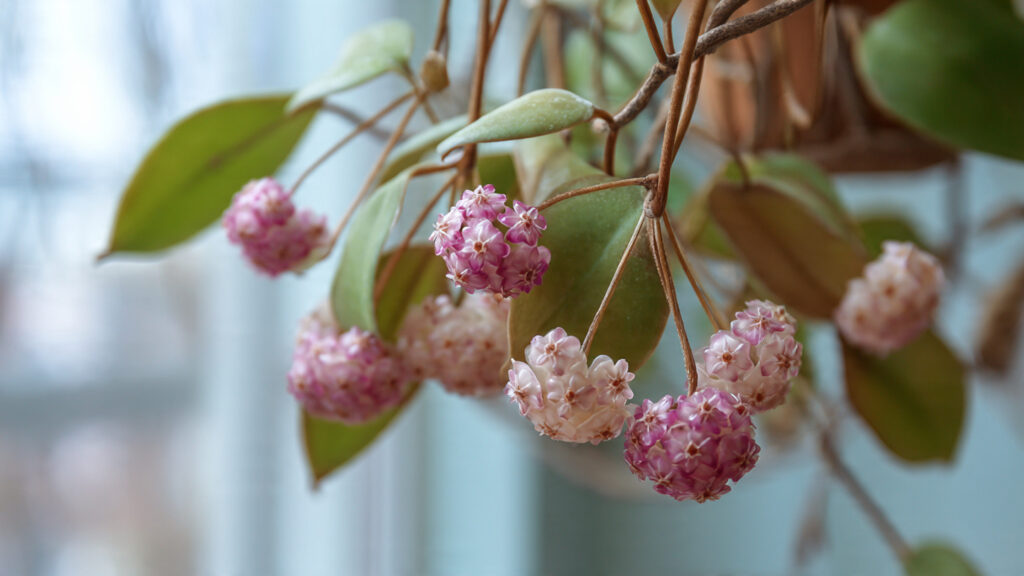
Few houseplants inspire as much anticipation as a Hoya in bloom. Known for their waxy leaves and porcelain-like flower clusters, Hoyas reward patient growers with fragrant, star-shaped blossoms that look almost too perfect to be real. But what happens when your plant seems healthy — lush vines, glossy foliage — yet refuses to flower?
If your Hoya is taking longer than expected to bloom, you’re not alone. Understanding the natural growth cycle of Hoya can help you identify what’s missing and gently guide your plant toward flowering.
Let’s explore why blooming may be delayed — and what you can do to encourage it.
First: Patience Is Part of the Process
One of the most important things to understand about Hoyas is that they are naturally slow to mature. Many species won’t bloom until they are fully established, which can take several years.
Young plants focus primarily on root development and vine growth. Flowering is a secondary priority. If your Hoya is under three years old, it may simply need more time.
That said, if your plant is mature and still not producing blooms, environmental adjustments can make a significant difference.
Light: The #1 Factor in Hoya Blooming
Insufficient light is the most common reason a Hoya fails to flower.
Hoyas thrive in bright, indirect light. While they tolerate moderate conditions, blooming requires stronger illumination.
Signs Your Hoya Needs More Light:
- Long vines with sparse leaves
- Deep green leaves without slight stress coloration
- Healthy growth but no flower peduncles
Place your Hoya near an east- or west-facing window. South-facing windows can work as long as harsh midday sun is filtered.
In low-light homes, supplemental grow lights can dramatically improve blooming potential.
Don’t Remove the Flower Spurs
A common mistake is trimming off old flower spurs — known as peduncles.
Hoyas bloom repeatedly from the same spur year after year. If you remove it after flowers fade, you eliminate future bloom potential.
Instead:
- Leave peduncles intact.
- Allow them to remain on the vine.
- Expect future blooms from the same location.
Preserving these structures is essential for repeat flowering.
Watering Balance: Avoid Over-Coddling
Hoyas are semi-succulent plants. Their thick leaves store moisture, meaning they prefer drying out slightly between waterings.
➡️ How to Grow Malabar Spinach from Cuttings for Fast, Easy Greens
➡️ How to Grow Super Delicious Cabbage at Home Without a Garden
➡️ How to Grow Bean Sprouts at Home in Plastic Bottles Easily (Step‑by‑Step Guide)
➡️ Why is Your Lemon Tree Blooming in the Heart of Winter?
➡️ Why Should Your Garden Have a Dedicated Pollinator Highway?
➡️ Why Do Your Fruit Trees Need a Winter Wash to Thrive in Spring?
➡️ How Can Rice Water Transform Your Fruits into Sweeter Delights?
➡️ Jumpstart Your Winter Garden: Seed Starting Under Lights
Overwatering can lead to:
- Root rot
- Reduced oxygen in soil
- Fewer blooms
Let the top half of the soil dry before watering thoroughly. During winter, reduce watering even further.
Slight periods of dryness can actually stimulate blooming by mimicking natural conditions.
Temperature and Seasonal Cues
In their native tropical habitats, Hoyas experience subtle seasonal changes that influence flowering.
To encourage blooming:
- Provide slightly cooler nighttime temperatures (around 60–65°F / 15–18°C).
- Maintain warmer daytime temperatures.
- Reduce watering slightly during winter months.
This mild seasonal shift signals the plant to prepare for flowering once warmer conditions return.
The Importance of Root-Bound Conditions
Unlike many houseplants, Hoyas prefer being somewhat root-bound.
If your plant is in a large pot with excess soil, it may focus on root expansion instead of flowering.
A snug pot encourages the plant to divert energy toward bloom production rather than vegetative growth.
Repot only when necessary, and avoid dramatically increasing pot size.
Fertilization Strategy for Blooms
Leafy growth requires nitrogen. Flowers require phosphorus and potassium.
If you’ve been feeding a high-nitrogen fertilizer, your Hoya may be producing lush vines at the expense of blooms.
Switch to a balanced or bloom-boosting fertilizer during spring and summer.
Tips:
- Feed monthly during active growth.
- Use diluted fertilizer to prevent salt buildup.
- Flush soil occasionally with water to prevent mineral accumulation.
Balanced nutrition supports both foliage and flowering.
Humidity: The Often Overlooked Factor
Hoyas thrive in moderate to high humidity.
Dry indoor air can slow growth and reduce bloom formation.
Aim for 50–70% humidity if possible. You can increase humidity by:
- Grouping plants together.
- Using a pebble tray.
- Running a humidifier nearby.
While Hoyas tolerate average home humidity, boosting moisture can enhance flowering potential.
Maturity and Vine Length
Hoyas typically bloom from mature vines.
If your plant has been pruned heavily or is still short, it may not have developed enough mature growth to support flowers.
Allow vines to grow longer before trimming. The longer and more established the vine, the higher the chance of blooming.
Stress Can Trigger Blooms (Within Reason)
Interestingly, mild stress sometimes encourages flowering.
Slight dryness, cooler nights, or brighter light can signal the plant that it’s time to reproduce.
However, extreme stress — such as severe drought or temperature shock — damages the plant.
The key is gentle environmental nudges, not harsh conditions.
Is Your Hoya the Right Variety?
Not all Hoyas bloom with equal ease.
Some varieties flower readily indoors, while others require very specific conditions.
For example:
- Hoya carnosa is known for relatively reliable blooming.
- Some rare species may require higher humidity or stronger light.
Researching your specific species can help tailor care accordingly.
How Long Does It Take to See Results?
After making adjustments, patience is still required.
Hoyas often produce flower buds in spring or summer. Changes made in winter may not show visible effects until the next growing season.
Look for:
- Small nubs forming on peduncles.
- Slower but sturdier vine growth.
- Slight thickening at spur sites.
Consistency is more important than quick fixes.
Avoid Frequent Relocation
Hoyas prefer stability.
Moving the plant frequently — especially when buds are forming — can cause bud drop.
Once you find a bright, suitable location, keep it there.
Common Blooming Mistakes to Avoid
- Overwatering regularly
- Using only high-nitrogen fertilizer
- Pruning peduncles
- Keeping in low light
- Repotting too often
- Expecting flowers from very young plants
Small corrections often lead to big improvements.
The Reward: A Bloom Like No Other
When your Hoya finally blooms, the wait feels worthwhile.
Clusters of waxy, star-shaped flowers form in tight umbels. Many varieties release a sweet fragrance, especially in the evening.
The blossoms may last weeks and often reappear from the same spur year after year.
Once a Hoya begins blooming consistently, it often continues annually under stable conditions.
A Mindset Shift: Growing for the Long Term
Hoyas are not instant-gratification plants. They are slow, steady growers that reward attentive care over time.
Rather than focusing only on flowers, appreciate:
- The trailing vines
- The thick, glossy leaves
- The sculptural growth habit
When conditions align, blooms arrive almost as a bonus.
Final Thoughts
If your Hoya is taking a long time to bloom, the most likely causes are insufficient light, overwatering, lack of maturity, or improper fertilization. By adjusting light exposure, allowing slight dryness, keeping the plant slightly root-bound, and preserving flower spurs, you dramatically improve your chances of success.
Above all, remember that Hoyas operate on their own timeline. With patience, stable care, and the right environmental cues, your wax plant will eventually reward you with breathtaking blooms.