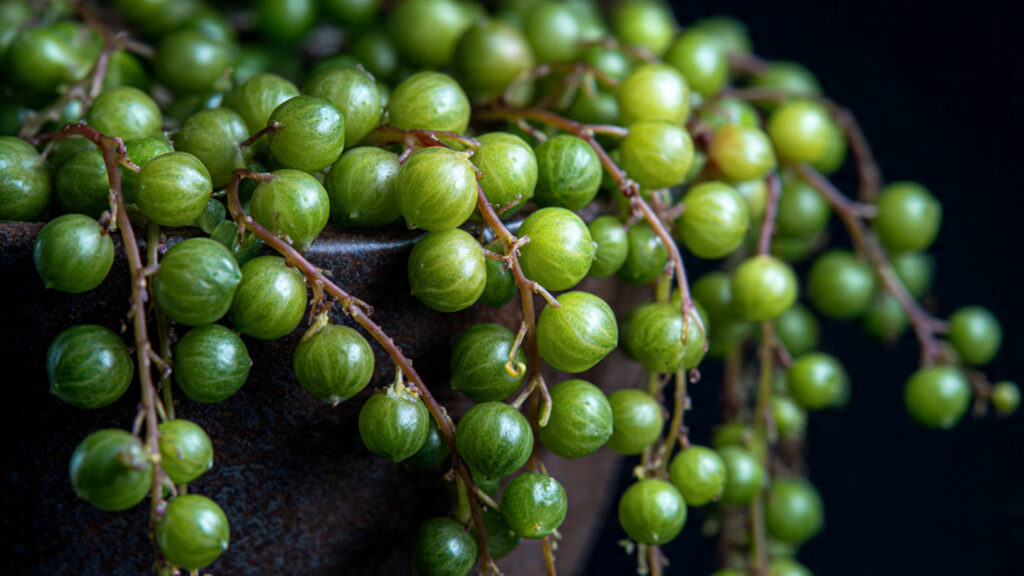
The String of Pearls (Senecio rowleyanus) is one of the most visually captivating succulents for indoor gardening. Its delicate, bead-like leaves cascade down like a string of tiny green pearls, making it a favorite for hanging baskets, shelves, and windowsills. But for many plant owners, this stunning vine can suddenly start shriveling, leaving drooping, deflated pearls that signal trouble. Understanding why this happens is key to saving your plant and restoring its full, lush beauty.
In this article, we’ll explore the common causes of shriveling in String of Pearls, how to diagnose the problem, and actionable solutions to get your succulent thriving again.
Understanding the Nature of String of Pearls
Before diagnosing issues, it helps to know the plant’s natural characteristics:
- Succulent Adaptations: The round leaves store water, allowing the plant to survive droughts.
- Trailing Growth: In its native South African environment, String of Pearls grows along sandy soil, hanging down and receiving bright, indirect sunlight.
- Slow Growth: While resilient, this plant grows slowly and reacts noticeably to environmental stress.
Because its leaves are water-storage organs, shriveling usually indicates a water-related problem, though other factors can contribute.
1. Underwatering
Symptoms of Underwatering
- Wrinkled, deflated pearls.
- Thin, dry stems.
- Leaves may fall off if dehydration is prolonged.
Why It Happens
String of Pearls stores water in its leaves, so the plant can survive short dry periods. However, if soil stays too dry for too long, the plant draws on stored water, causing pearls to shrink.
How to Fix It
- Water thoroughly when the top 1–2 inches of soil are dry.
- Ensure water reaches the roots, allowing excess to drain out.
- Avoid light misting—succulents need deep watering rather than frequent small amounts.
2. Overwatering
Symptoms of Overwatering
- Mushy, soft, or translucent pearls.
- Brown or black stems near the soil.
- Root rot may develop if the soil remains wet.
Why It Happens
Overwatering is a common mistake with succulents. Unlike many houseplants, String of Pearls is adapted to dry, sandy soil, and excess moisture causes roots to suffocate and rot.
How to Fix It
- Remove the plant from the pot and inspect roots. Cut away any rotten or mushy roots.
- Repot in a well-draining succulent or cactus mix.
- Water only when the soil is completely dry.
- Ensure the pot has drainage holes to prevent standing water.
3. Poor Drainage
Even careful watering won’t help if the pot doesn’t drain properly.
Signs of Poor Drainage
- Water pools at the bottom.
- Pearls shrivel even when watered correctly.
- Soil stays damp for days.
Solutions
- Use pots with drainage holes.
- Add perlite or coarse sand to improve soil drainage.
- Avoid dense, moisture-retaining soils that trap water.
4. Light Issues
Too Little Light
String of Pearls thrives in bright, indirect light. Insufficient light leads to stretching, weak stems, and shriveling pearls.
- Symptoms: Long, leggy vines with sparse, shriveled beads.
- Solution: Move your plant to a brighter location, such as near a south- or west-facing window, or supplement with LED grow lights.
Too Much Direct Sunlight
- Harsh, direct sun can scorch leaves, causing pearls to shrivel and turn brown.
- Solution: Provide filtered sunlight or place near a bright window with sheer curtains.
5. Temperature and Humidity Stress
String of Pearls prefers:
- Temperatures: 70–80°F (21–27°C) during the day and 50–60°F (10–15°C) at night.
- Humidity: Low to moderate; high humidity encourages rot.
Stress Symptoms
- Shriveling may occur if the plant is exposed to cold drafts, heat waves, or sudden environmental changes.
- Leaves may drop if the plant experiences rapid stress.
How to Prevent Stress
- Keep the plant away from cold windows, heaters, and air conditioners.
- Maintain stable room temperature.
- Avoid overwatering during humid months.
6. Dormancy Period
String of Pearls has a natural dormancy period in winter. During dormancy:
- Growth slows significantly.
- Pearls may shrivel slightly as the plant conserves energy.
What to Do
- Reduce watering but don’t let soil dry out completely.
- Avoid fertilizing during dormancy.
- Resume regular care when new growth appears in spring.
7. Pests
While generally pest-resistant, String of Pearls can attract:
- Mealybugs: White, cottony patches on stems and leaves.
- Aphids: Small insects that cluster on new growth.
Effects of Pests
- Pests suck sap, causing pearls to shrivel and vines to weaken.
Solutions
- Isolate affected plants.
- Wipe leaves with a cotton swab dipped in rubbing alcohol.
- Use insecticidal soap or neem oil for persistent infestations.
8. Nutrient Deficiency
Although low-maintenance, String of Pearls benefits from occasional feeding during its growing season (spring and summer).
Symptoms of Nutrient Deficiency
- Slow growth.
- Shriveling or pale pearls.
- Stunted vines.
How to Correct It
- Use a balanced, diluted succulent fertilizer every 4–6 weeks during active growth.
- Avoid fertilizing during dormancy or in low-light conditions.
How to Revive a Shriveling String of Pearls
- Diagnose the Cause: Check watering habits, light, temperature, and pests.
- Adjust Care: Correct overwatering, under-watering, or light exposure as needed.
- Repot if Necessary: Refresh soil and remove damaged roots.
- Trim Dead or Damaged Vines: Promote new growth and prevent disease spread.
- Monitor Daily: Check soil moisture, leaf plumpness, and pest activity.
With careful attention, most shriveling issues can be reversed, and your String of Pearls will recover its characteristic plump, cascading appearance.
Preventive Tips for a Thriving Plant
- Water deeply but infrequently, allowing soil to dry between waterings.
- Use bright, indirect light rather than harsh direct sunlight.
- Keep in well-draining soil with a proper pot.
- Fertilize lightly during the growing season.
- Inspect regularly for pests and remove damaged stems promptly.
- Accommodate natural dormancy by reducing care in winter.
By following these preventive measures, your String of Pearls can remain healthy, vibrant, and visually stunning year-round.
Conclusion
A shriveling String of Pearls is a clear signal that something in its environment needs attention. Underwatering, overwatering, poor drainage, incorrect light, temperature stress, dormancy, pests, or nutrient deficiency are all common culprits. Understanding your plant’s needs and observing its natural responses allows you to diagnose issues and take corrective action.
➡️ How to Grow Malabar Spinach from Cuttings for Fast, Easy Greens
➡️ How to Grow Super Delicious Cabbage at Home Without a Garden
➡️ How to Grow Bean Sprouts at Home in Plastic Bottles Easily (Step‑by‑Step Guide)
➡️ Why is Your Lemon Tree Blooming in the Heart of Winter?
➡️ Why Should Your Garden Have a Dedicated Pollinator Highway?
➡️ Why Do Your Fruit Trees Need a Winter Wash to Thrive in Spring?
➡️ How Can Rice Water Transform Your Fruits into Sweeter Delights?
➡️ Jumpstart Your Winter Garden: Seed Starting Under Lights
With proper care—including the right watering schedule, suitable light, well-draining soil, pest management, and occasional fertilization—you can revive shriveled pearls and enjoy a thriving, cascading vine that brings beauty and life to any indoor space.
Your String of Pearls is resilient, but it thrives best when you respect its succulent nature. By making small adjustments and practicing mindful care, you can prevent future shriveling and maintain the plump, vibrant trails of green beads that make this plant a show-stopping addition to your home.