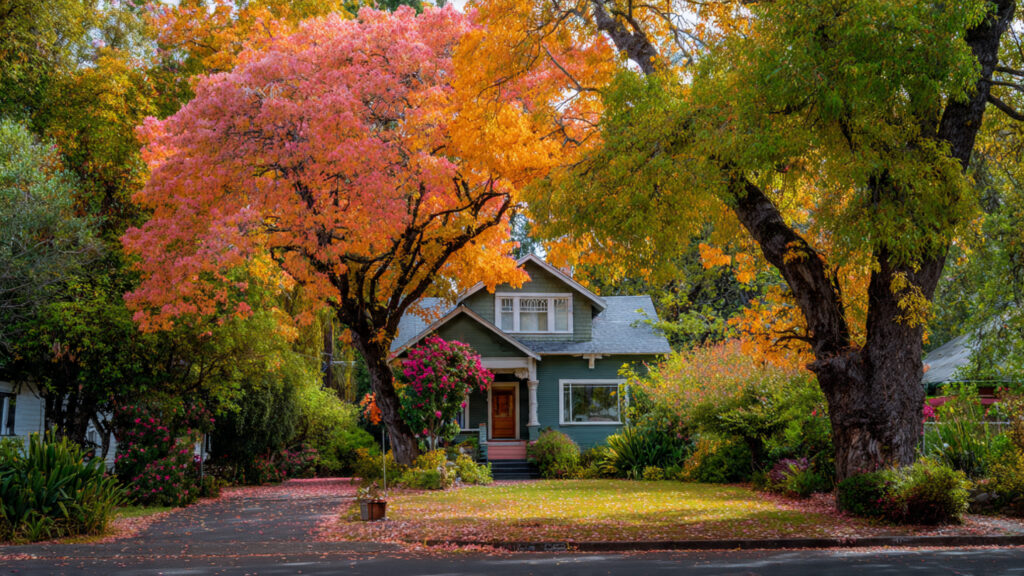
Trees are often called nature’s gift to humanity. They provide shade, improve air quality, reduce noise, and add aesthetic value to our homes. But while planting trees near your house can enhance its beauty and comfort, not all trees are safe to grow close to your property. Certain species, if planted too near your home, can cause structural damage, health hazards, or expensive maintenance problems. Understanding these risks is crucial before adding greenery to your yard.
The Hidden Risks of Planting Trees Close to Your Home
At first glance, a tree seems like a harmless addition to your garden. However, its roots, branches, and even leaves can pose serious threats over time. Here’s a closer look at the hidden risks:
1. Root Damage to Foundations and Pipes
Tree roots naturally seek moisture and nutrients. When a tree is planted too close to a building, its roots can grow under foundations, driveways, sidewalks, and even sewage or water pipes. Over time, these roots can:
- Crack foundations or weaken concrete structures.
- Clog or break underground plumbing.
- Cause uneven ground and trip hazards.
Large trees like willows, poplars, and silver maples are notorious for aggressive roots that can damage both foundations and underground utilities. Even smaller ornamental trees can create problems if planted within 10–15 feet of a home.
2. Falling Branches and Property Damage
Branches can be heavier and longer than they appear. During storms or strong winds, overhanging limbs can:
- Break and fall onto your roof or windows.
- Damage cars parked under trees.
- Harm people walking nearby.
Trees with brittle wood, such as silver maple, black locust, and sweetgum, are especially prone to breakage. Even healthy trees can shed large limbs unexpectedly, particularly after heavy rain or ice accumulation.
3. Leaves, Sap, and Droppings
Certain trees produce excessive leaves, fruits, or sap that can create a mess and even attract pests. For example:
- Oak trees drop acorns that can clog drains or create slippery surfaces.
- Pine trees shed needles that stain patios and roofs.
- Sweetgum trees produce spiky seed pods that are hard to clean.
Sap and pollen from some species can also damage paint or siding, leading to higher maintenance costs.
4. Increased Risk of Fire
In fire-prone areas, planting flammable trees near your home can be extremely risky. Trees such as eucalyptus, pine, and fir have oils or resin that ignite easily, increasing the danger during wildfires. Even in urban areas, dry leaves and overgrown shrubs near a house can act as fuel, putting your home at risk.
5. Health Concerns and Allergies
Some trees produce high amounts of pollen, which can trigger allergies, asthma, or other respiratory issues. Common culprits include:
- Birch trees
- Walnut trees
- Cedar and juniper species
Planting these close to doors, windows, or patios can increase exposure to allergens, reducing comfort for household members.
Selecting the Right Tree for Your Yard
Choosing a safe tree for planting near your home requires careful planning. Here’s what to consider:
1. Mature Size Matters
Always check the tree’s expected height and canopy spread at maturity. Planting a tree too close to your home without accounting for its full-grown size can lead to shading, root intrusion, or branch collisions. Experts recommend planting large trees at least 20–30 feet from the house, while small ornamental trees can be planted 10–15 feet away.
2. Root Behavior
Some trees have aggressive roots, while others have shallow or compact root systems. Opt for species with less invasive roots if you want them near foundations, sidewalks, or underground pipes. Examples of safer trees include dogwood, Japanese maple, and crape myrtle.
3. Maintenance Requirements
Trees differ in their leaf, fruit, and seed drop patterns. Low-maintenance species reduce cleanup and risk of clogged gutters. Consider evergreen varieties if you want year-round coverage with minimal litter, or trees with slow growth to reduce pruning frequency.
➡️ How to Grow Malabar Spinach from Cuttings for Fast, Easy Greens
➡️ How to Grow Super Delicious Cabbage at Home Without a Garden
➡️ How to Grow Bean Sprouts at Home in Plastic Bottles Easily (Step‑by‑Step Guide)
➡️ Why is Your Lemon Tree Blooming in the Heart of Winter?
➡️ Why Should Your Garden Have a Dedicated Pollinator Highway?
➡️ Why Do Your Fruit Trees Need a Winter Wash to Thrive in Spring?
➡️ How Can Rice Water Transform Your Fruits into Sweeter Delights?
➡️ Jumpstart Your Winter Garden: Seed Starting Under Lights
4. Local Climate and Soil
Choose trees that thrive in your region’s soil, rainfall, and temperature conditions. A stressed tree is more likely to develop weak branches, disease, or pest infestations, which can pose risks to nearby structures.
5. Professional Advice
Consulting an arborist or horticulturist can help you pick trees suited to your landscape while minimizing risks. They can also advise on proper planting distances, staking techniques, and ongoing maintenance.
Preventing Tree-Related Risks
Even if you plant safe trees, proactive care is essential to prevent hazards:
1. Regular Pruning
Trim branches that overhang roofs, windows, or pathways. Remove dead or diseased limbs to reduce the risk of breakage during storms. Pruning also improves air circulation and sunlight penetration, keeping trees healthier.
2. Root Barriers
For trees near foundations or pipes, consider installing root barriers. These underground barriers redirect roots downward or away from structures, minimizing potential damage.
3. Mulching and Watering
Proper mulching protects roots and improves soil health. Avoid excessive watering near foundations, which can encourage roots to seek moisture under your home.
4. Pest and Disease Monitoring
Regularly inspect your trees for signs of disease, insect infestation, or rot. Early intervention prevents problems that could endanger your property.
5. Seasonal Preparations
Before storms, heavy winds, or snow, remove weakened branches or dead growth. In fire-prone areas, clear dry leaves and maintain a defensible space around your home.
Trees Often Considered Risky Near Homes
Here’s a list of trees commonly known to cause issues when planted too close to houses:
- Willow (Salix spp.) – Aggressive roots, prone to branch breakage.
- Silver Maple (Acer saccharinum) – Brittle wood, fast-growing roots.
- Eucalyptus (Eucalyptus spp.) – Flammable and high oil content.
- Poplar (Populus spp.) – Shallow roots, prone to disease.
- Black Locust (Robinia pseudoacacia) – Brittle branches and invasive roots.
- Sweetgum (Liquidambar styraciflua) – Spiky seed pods and heavy litter.
By avoiding these species near foundations, driveways, or pipes, you reduce the likelihood of structural damage and costly maintenance.
Benefits of Planting Trees Safely
When planted thoughtfully, trees can still enhance your home without causing hazards:
- Provide shade, cooling your house and reducing energy costs.
- Improve air quality and absorb pollutants.
- Increase property value with aesthetic appeal.
- Offer wildlife habitats and improve biodiversity.
Balancing these benefits with safety considerations ensures a harmonious garden and home environment.
Conclusion
While trees are vital to a healthy and attractive landscape, planting the wrong species too close to your home can create hidden risks. Root damage, falling branches, allergies, flammable oils, and excessive maintenance are all potential hazards. By understanding the characteristics of different trees, considering mature size and root behavior, and following proper maintenance practices, you can enjoy the benefits of home-grown trees without compromising your safety or property.
Careful planning, professional advice, and regular monitoring can transform your yard into a safe, beautiful, and functional space where trees thrive and your home remains protected. Remember, a well-chosen tree isn’t just a plant—it’s an investment in comfort, beauty, and long-term safety.