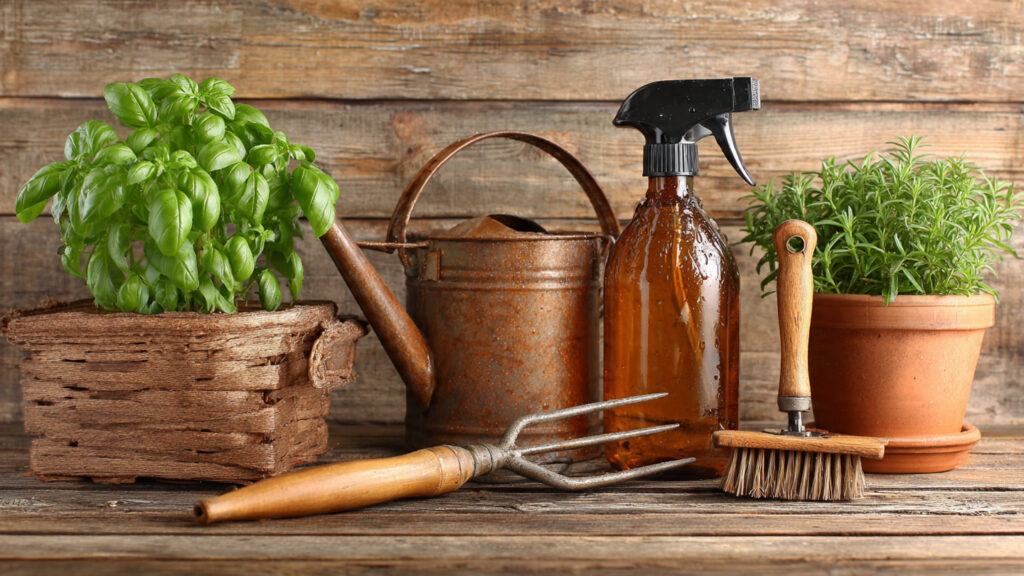
A thriving garden depends not only on healthy plants but also on the proper care of your gardening tools. From pruning shears and trowels to shovels and rakes, your tools are constantly exposed to soil, plant debris, and potential pathogens. Over time, these tools can harbor bacteria, fungi, and viruses that can infect your plants, reducing yields or even causing disease outbreaks. This is where a simple, everyday household item—vinegar—becomes a gardener’s secret weapon.
In this guide, we’ll explore why vinegar is effective for sterilizing garden tools, how to use it safely and efficiently, and why incorporating it into your gardening routine can save time, money, and plants.
The Importance of Sterilizing Garden Tools
Before diving into vinegar’s effectiveness, it’s crucial to understand why sterilizing tools is essential:
- Preventing Disease Spread: Tools that come into contact with infected plants can transfer pathogens to healthy plants. Common garden diseases like blight, powdery mildew, and bacterial leaf spot are easily spread through contaminated tools.
- Maintaining Plant Health: Regular sterilization ensures plants grow in a clean environment, free from harmful microorganisms that stunt growth or reduce flowering and fruiting.
- Increasing Tool Longevity: Cleaning tools removes sap, soil, and residues that can cause rust or degrade metal, extending the life of your investment.
While commercial sterilizers and bleach solutions are available, vinegar offers a natural, safe, and cost-effective alternative that is accessible to every gardener.
Why Vinegar Works So Well
Vinegar, primarily composed of acetic acid, has been used for centuries for cleaning, disinfecting, and food preservation. Its effectiveness in sterilizing garden tools stems from several key properties:
- Acidity: Vinegar’s low pH (typically around 2-3 for household vinegar) creates an environment hostile to many bacteria, fungi, and viruses. Pathogens struggle to survive when exposed to this level of acidity.
- Non-Toxic: Unlike harsh chemical sterilizers, vinegar is safe to handle, biodegradable, and poses no harm to the environment when used responsibly.
- Affordable and Accessible: Household white vinegar is inexpensive and available in virtually every home, making it a practical choice for frequent use.
The acetic acid in vinegar works by denaturing the proteins of microbial cells, effectively destroying bacteria and fungi. This makes it particularly useful for tools that come into contact with infected plants or soil.
Preparing Your Tools for Sterilization
Before sterilizing with vinegar, tools should be cleaned to remove dirt, sap, or plant debris. This ensures maximum contact between vinegar and potential pathogens. Follow these steps:
- Remove Soil and Debris: Use a brush or cloth to wipe off any dirt. For stubborn residues, warm water can help.
- Trim Plant Residues: Cut away any plant matter stuck on blades, pruners, or trowels.
- Check for Rust: While vinegar can clean minor rust, large rust patches should be sanded before sterilization.
Proper preparation allows vinegar to work more effectively and prevents buildup that could dull your tools.
How to Sterilize Garden Tools with Vinegar
There are several methods for using vinegar to sterilize garden tools, each suitable for different levels of contamination:
1. Soaking Method
- Fill a container with white vinegar (5% acetic acid).
- Submerge your tools completely in the vinegar solution.
- Let them soak for 10–15 minutes for routine sterilization, or up to 30 minutes if tools were used on diseased plants.
- Remove and rinse with water, then dry thoroughly to prevent rust.
2. Wiping Method
- For quick sterilization, soak a cloth or sponge in vinegar.
- Wipe down all surfaces of your tools, paying close attention to blades and joints.
- Repeat for a second pass to ensure thorough disinfection.
3. Spray Method
- Pour vinegar into a spray bottle for convenient use in the garden.
- Spray tools generously, ensuring all surfaces are covered.
- Let air dry completely; drying helps prevent rust while maintaining the sterilizing effect.
Each method is effective, and gardeners often choose based on tool size, contamination level, and convenience.
Tips for Maximizing Vinegar’s Effectiveness
To get the most from vinegar when sterilizing tools, keep these tips in mind:
- Use Full-Strength Vinegar: Diluting vinegar reduces its acidity, which can weaken its sterilizing power. Standard household vinegar is usually sufficient.
- Remove Heavy Rust or Sap: Vinegar is effective on pathogens but cannot penetrate thick rust or organic buildup. Pre-cleaning ensures better results.
- Dry Tools Thoroughly: Metal tools are prone to rust after contact with liquids. Dry immediately with a towel and consider applying a light coat of oil for protection.
- Routine Sterilization: Make vinegar sterilization part of your regular gardening routine, especially when switching between different plants or handling diseased specimens.
Advantages Over Other Sterilization Methods
While bleach and commercial disinfectants are also effective, vinegar offers several advantages:
- Safety: Vinegar is non-toxic, whereas bleach and chemical sterilizers can irritate skin, eyes, and lungs.
- Eco-Friendly: Vinegar breaks down naturally and does not pollute soil or waterways.
- Cost-Effective: A bottle of vinegar costs far less than commercial sterilizing solutions, and one bottle lasts for months.
- Ease of Use: No gloves, masks, or special handling are needed, making it convenient for everyday gardening.
For these reasons, many gardeners prefer vinegar as their go-to tool sterilizer.
Additional Uses of Vinegar in the Garden
Beyond sterilizing tools, vinegar can support overall garden health in several ways:
- Weed Control: Spray undiluted vinegar on unwanted weeds to weaken or kill them.
- Cleaning Pots and Planters: Vinegar effectively removes mineral deposits and algae from pots.
- Surface Disinfection: Use vinegar to wipe down benches, gloves, and other gardening equipment.
Its versatility makes vinegar an indispensable item in any gardener’s toolkit.
➡️ How to Grow Malabar Spinach from Cuttings for Fast, Easy Greens
➡️ How to Grow Super Delicious Cabbage at Home Without a Garden
➡️ How to Grow Bean Sprouts at Home in Plastic Bottles Easily (Step‑by‑Step Guide)
➡️ Why is Your Lemon Tree Blooming in the Heart of Winter?
➡️ Why Should Your Garden Have a Dedicated Pollinator Highway?
➡️ Why Do Your Fruit Trees Need a Winter Wash to Thrive in Spring?
➡️ How Can Rice Water Transform Your Fruits into Sweeter Delights?
➡️ Jumpstart Your Winter Garden: Seed Starting Under Lights
Precautions When Using Vinegar
Although vinegar is generally safe, there are a few precautions to follow:
- Avoid Aluminum Tools: Prolonged exposure to vinegar can corrode aluminum. Use for stainless steel, iron, or wooden tools.
- Protect Plants: Avoid direct contact with plants when sterilizing tools in situ; vinegar can damage foliage.
- Storage: Store vinegar in a sealed container away from sunlight to maintain potency.
Following these precautions ensures safe and effective sterilization while protecting your tools and plants.
Incorporating Vinegar Into Your Gardening Routine
Making vinegar sterilization a regular practice is simple:
- Keep a spray bottle or container of vinegar near your gardening area.
- Clean and sterilize tools immediately after use, especially after handling diseased plants.
- Repeat weekly or biweekly for tools used frequently.
- Combine with other preventive practices, such as proper pruning techniques, to maintain garden hygiene.
Over time, this routine reduces disease outbreaks, increases plant health, and extends the life of your gardening tools.
Final Thoughts
Vinegar is more than a household staple—it is a powerful, affordable, and environmentally friendly solution for sterilizing garden tools. By harnessing the natural acidity of vinegar, gardeners can prevent disease spread, protect plant health, and maintain the longevity of their tools.
With simple methods like soaking, wiping, or spraying, any gardener can make tool sterilization a quick and easy part of their routine. Coupled with pre-cleaning, drying, and routine care, vinegar ensures your tools remain safe, effective, and ready for action.
So, the next time you finish pruning, planting, or harvesting, reach for a bottle of vinegar. It’s an accessible, eco-conscious way to keep your garden thriving—one clean tool at a time.