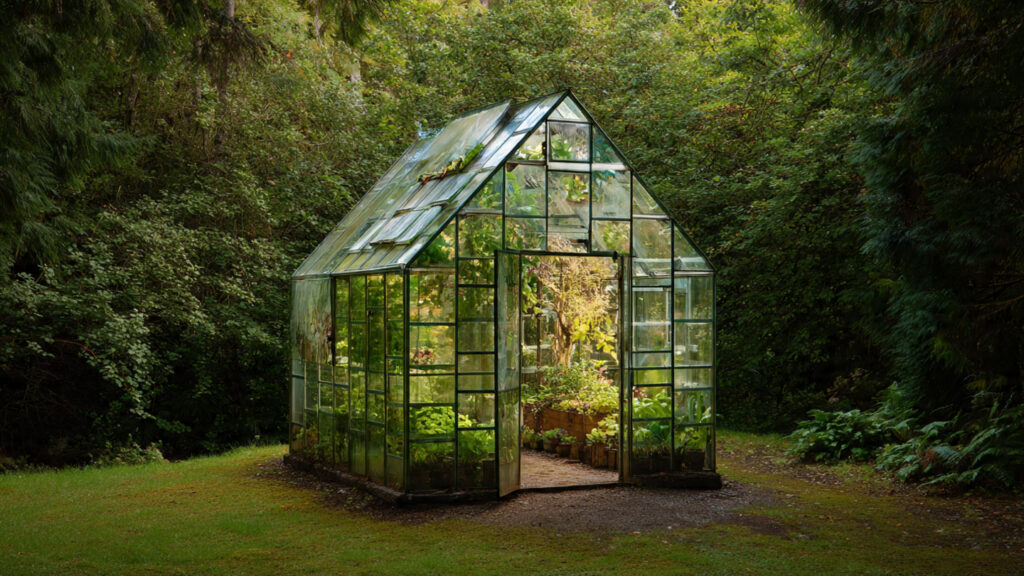
In a world where sustainability meets creativity, repurposing old items into functional art has become a popular trend. Among the most charming and practical projects for gardeners and DIY enthusiasts alike is transforming old windows into a garden greenhouse. Not only does this project breathe new life into discarded materials, but it also allows you to cultivate plants year-round, extend your growing season, and add a unique aesthetic to your garden. If you’re looking for a hands-on, eco-friendly, and rewarding creative endeavor, turning old windows into a greenhouse might be the perfect next project.
1. Breathing New Life into Old Windows
Old windows often find themselves discarded or stored away in attics and basements, left to gather dust. However, these vintage panes of glass and wood carry a certain charm and character that modern materials simply cannot replicate. Each window tells a story—whether it’s the faded paint from decades past or the slightly warped wood that survived generations.
By repurposing these windows into a greenhouse, you give them a second life, transforming forgotten objects into functional beauty. The rustic textures, the multi-pane designs, and even the imperfections of older glass add personality and warmth to your garden space. It’s an opportunity to merge sustainability with creativity: you’re recycling materials while creating something uniquely yours.
2. Advantages of a Window Greenhouse
Building a greenhouse from old windows has several benefits over traditional greenhouses:
- Cost-effective: Purchasing a full greenhouse kit can be expensive, but sourcing old windows—sometimes even for free—dramatically reduces costs.
- Customizable size and shape: Unlike pre-fabricated greenhouses, window greenhouses can be adapted to fit the dimensions of your garden, patio, or balcony.
- Sustainable and eco-friendly: Repurposing old windows reduces waste and supports environmentally conscious practices.
- Aesthetic appeal: The vintage look of old windows adds character and charm, turning your greenhouse into a focal point of your garden.
- Versatile use: Beyond plant cultivation, window greenhouses can serve as propagation stations, herb gardens, or even decorative mini-greenhouses for flowers.
3. Selecting the Right Windows
Not all old windows are suitable for a greenhouse project. Choosing the right ones ensures durability, safety, and effective plant growth. Here are some key considerations:
- Glass quality: Ensure the glass panes are intact and free from cracks. Old glass can have slight distortions, which can add a whimsical effect, but broken panes should be replaced.
- Frame condition: Check for rot or structural weakness in wooden frames. Some minor damage can be repaired with wood filler or reinforcement, but severely weakened frames may not hold up in a greenhouse.
- Size and shape: Consider how many windows you have and how they will fit together. Consistent sizes make construction easier, but creative arrangements of different sizes can create an interesting, mosaic-like greenhouse.
- Safety: If the windows contain old lead paint, take precautions when sanding or cutting frames, and consider sealing or painting over them to avoid exposure.
4. Planning Your Window Greenhouse
A successful window greenhouse starts with careful planning. Think of this project as a combination of gardening and construction.
- Location: Choose a spot with maximum sunlight exposure. South-facing areas are ideal, as they provide the warmth necessary for plant growth.
- Foundation: Even a small greenhouse needs a stable base. You can use bricks, cinder blocks, or a wooden frame to anchor your windows securely.
- Design: Decide whether you want a lean-to greenhouse against a wall, a standalone mini-greenhouse, or a larger walk-in structure. Sketching your design helps visualize how each window will fit.
- Ventilation: Proper airflow is crucial to prevent mold and maintain healthy plants. Consider adding a window that can open or a small vent at the top for heat escape.
- Accessibility: Plan for doors or removable panels so you can easily reach your plants for watering, pruning, and harvesting.
5. Step-by-Step Construction Tips
Constructing a window greenhouse requires some basic carpentry skills and a little creativity. Here’s a simple approach:
- Prepare the windows: Clean the glass and frames, remove any old paint flakes, and repair minor cracks or damage.
- Build the base: Construct a sturdy base from wood or bricks that will support the weight of the windows and provide stability.
- Assemble walls: Arrange your windows vertically to form the greenhouse walls. Secure them with screws, brackets, or nails, ensuring each window is aligned and stable.
- Add a roof: You can use additional windows for a pitched roof or transparent polycarbonate panels for better durability. A sloped roof helps rainwater drain and prevents snow accumulation.
- Seal gaps: Use weatherproof caulk or silicone to seal the edges and prevent heat loss, making your greenhouse more energy-efficient.
- Optional shelving: Install shelves or tiered racks inside to maximize growing space for pots and seed trays.
- Finishing touches: Paint or stain the wood if desired, add decorative touches, and ensure ventilation openings are functional.
6. Choosing Plants for Your Window Greenhouse
A window greenhouse is perfect for a variety of plants, from seedlings to mature vegetables and herbs. Some options include:
- Herbs: Basil, thyme, rosemary, and parsley thrive in small greenhouses.
- Vegetables: Lettuce, spinach, peppers, and cherry tomatoes benefit from the controlled environment.
- Flowers: Pansies, marigolds, and petunias add color and attract pollinators.
- Succulents and cacti: These plants enjoy the extra warmth and protection from excess rain.
- Seedlings: Start plants early in the season to give them a head start before transplanting outdoors.
The microclimate inside your window greenhouse allows you to experiment with plants that might not survive in your region’s outdoor conditions.
7. Maintaining Your Window Greenhouse
Maintaining a window greenhouse is simpler than a full-size greenhouse, but some care is still necessary:
- Regular cleaning: Keep glass panes free from dust and algae to ensure maximum sunlight reaches your plants.
- Monitor temperature: On hot days, open vents or remove panels to prevent overheating.
- Watering: The enclosed space may require less frequent watering than outdoor plants, but always check soil moisture.
- Pest management: A small greenhouse can still attract insects, so inspect plants regularly and use organic pest control when needed.
- Seasonal adjustments: In colder climates, consider adding insulation or moving delicate plants indoors during harsh winter months.
8. Creative and Decorative Possibilities
The beauty of a window greenhouse is that it can be both functional and visually appealing. Here are some ways to enhance its charm:
- Painted frames: Use bright or pastel colors to complement your garden aesthetic.
- Mixed glass styles: Incorporate textured or frosted panes for a whimsical effect.
- Vertical gardens: Hang small pots on the inside walls for herbs or trailing plants.
- Lighting: String solar fairy lights for a magical nighttime display.
- Seasonal decor: Add wreaths, ribbons, or garden ornaments to make it a year-round feature.
Your window greenhouse becomes not just a space for plants, but a statement piece that reflects your personality and style.
9. Environmental and Personal Benefits
Creating a greenhouse from old windows goes beyond aesthetics—it supports the environment and your well-being:
- Sustainable gardening: Reusing windows reduces landfill waste and lessens your ecological footprint.
- Reduced carbon footprint: Growing your own herbs, vegetables, and flowers cuts down on transportation and packaging.
- Connection with nature: Gardening in a greenhouse cultivates mindfulness and reduces stress, providing a therapeutic escape.
- Educational value: It’s an excellent project for families, teaching children about plants, recycling, and creative problem-solving.
By combining eco-consciousness with hands-on creativity, a window greenhouse can enrich both your garden and your life.
10. Final Thoughts
Transforming old windows into a unique garden greenhouse is more than a DIY project—it’s a blend of sustainability, creativity, and practical gardening. From sourcing and preparing vintage windows to designing a functional structure and nurturing your plants, every step is rewarding. Whether you aim to grow fresh herbs, start seedlings early, or simply create a charming garden focal point, this project offers endless possibilities for personalization.
➡️ How to Grow Malabar Spinach from Cuttings for Fast, Easy Greens
➡️ How to Grow Super Delicious Cabbage at Home Without a Garden
➡️ How to Grow Bean Sprouts at Home in Plastic Bottles Easily (Step‑by‑Step Guide)
➡️ Why is Your Lemon Tree Blooming in the Heart of Winter?
➡️ Why Should Your Garden Have a Dedicated Pollinator Highway?
➡️ Why Do Your Fruit Trees Need a Winter Wash to Thrive in Spring?
➡️ How Can Rice Water Transform Your Fruits into Sweeter Delights?
➡️ Jumpstart Your Winter Garden: Seed Starting Under Lights
Your backyard can become a haven of greenery, enhanced by the rustic beauty of repurposed windows. As you watch seedlings sprout and mature plants thrive behind glass panes, you’ll experience the satisfaction of creating something both beautiful and useful. This project is a testament to the idea that even discarded items can be transformed into treasures with a little vision, effort, and love for nature.
So, if you’ve been wondering how to merge creativity with practicality, repurposing old windows into a greenhouse is the perfect next step. Not only will you enjoy the fruits (and flowers) of your labor, but you’ll also have a unique garden feature that sparks conversation and inspires others to see potential in overlooked materials.