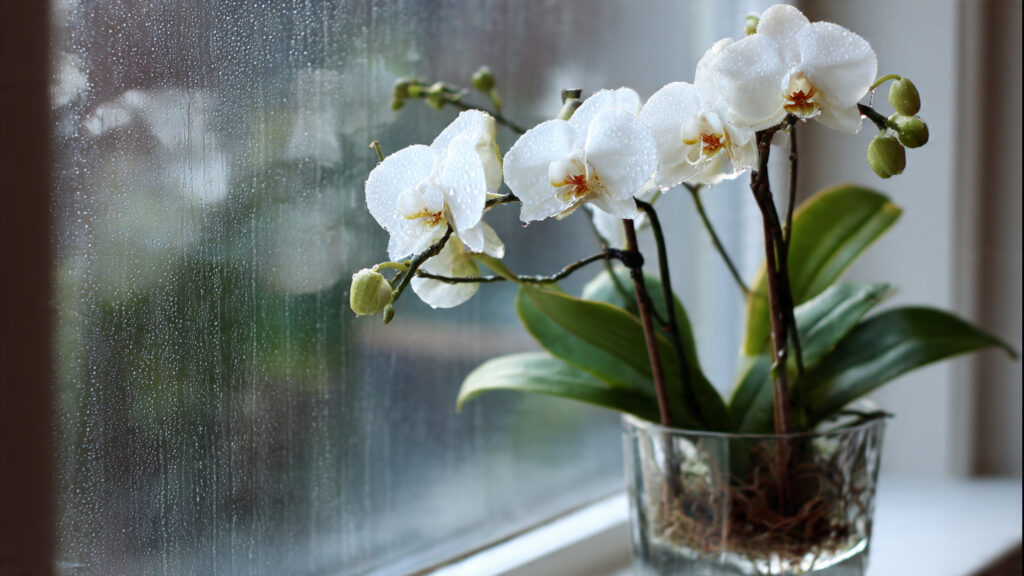
Orchids are renowned for their delicate beauty, vibrant colors, and the elegance they bring to any space. However, winter can be a challenging season for these tropical plants. The cold, dry air, shorter daylight hours, and indoor heating can stress orchids, leading to wilting leaves, stunted growth, or even flower loss. But with the right care, your orchids can thrive throughout the winter months, maintaining their lush foliage and stunning blooms. Here are five simple ways to keep your orchids healthy during winter.
1. Maintain Proper Temperature and Humidity
Orchids are tropical plants, which means they thrive in warm, humid conditions. During winter, indoor heating can dry out the air, and nighttime temperatures can drop significantly. Maintaining the right balance of temperature and humidity is crucial.
Temperature Tips:
- Most orchids, including popular varieties like Phalaenopsis and Dendrobium, prefer daytime temperatures between 65–75°F (18–24°C) and nighttime temperatures around 60°F (15°C).
- Avoid placing orchids near drafty windows or doors, where cold air may damage the plant.
Humidity Tips:
- Orchids flourish in 40–70% humidity. During winter, indoor air can drop below 30%, so consider using a humidifier near your plants.
- Alternatively, placing orchids on a humidity tray filled with water and pebbles can help create a mini tropical environment without waterlogging the roots.
By maintaining stable temperatures and humidity, you provide the perfect environment for your orchid’s roots and leaves to stay healthy.
2. Adjust Watering Routine
Winter changes how much water orchids need. Unlike the growing season, when orchids absorb moisture actively, their growth slows in colder months. Overwatering during winter is a common mistake that can lead to root rot.
Watering Tips:
- Check the potting medium before watering. Orchids prefer to dry slightly between waterings. Stick your finger about an inch into the soil or bark; if it feels dry, it’s time to water.
- Reduce the frequency of watering, typically every 10–14 days depending on indoor conditions.
- Use room-temperature water, as cold water can shock the roots.
- Avoid letting water sit in the orchid’s crown (the center of the plant) to prevent crown rot.
Proper watering during winter ensures your orchids retain hydration without suffering from root damage.
3. Provide Adequate Light
Orchids require sufficient light to photosynthesize and maintain healthy growth. Winter brings shorter days and weaker sunlight, so you need to adjust your plant’s placement accordingly.
Lighting Tips:
- Place your orchids near east- or south-facing windows for natural light exposure.
- Avoid direct midday sun, which can scorch the leaves, especially when filtered through glass.
- If natural light is insufficient, consider using grow lights designed for orchids. LED lights with a balanced spectrum can supplement sunlight and encourage blooming.
- Rotate the plants periodically to ensure all sides receive equal light exposure.
Ensuring your orchid receives adequate light prevents leggy growth and keeps the leaves vibrant and strong.
4. Fertilize Sparingly
Fertilizing orchids during winter requires a delicate approach. Since their growth slows, excessive nutrients can harm the plant rather than help it. However, light feeding can maintain root health and prepare the plant for spring blooms.
Fertilization Tips:
- Use a balanced orchid fertilizer, such as 20-20-20, diluted to half the recommended strength.
- Apply fertilizer once every 3–4 weeks during winter. Avoid weekly feeding unless the orchid is actively growing.
- Focus on root and leaf health rather than forcing blooms in winter. Over-fertilizing in cold months can burn the roots or cause leaf spotting.
A careful fertilization routine ensures your orchids remain nourished without stressing them in the dormant season.
5. Monitor Pests and Diseases
Winter may reduce some pest activity, but orchids can still be vulnerable to common problems like spider mites, mealybugs, and fungal infections. The dry indoor air and close proximity to other plants can create opportunities for infestations.
➡️ How to Grow Malabar Spinach from Cuttings for Fast, Easy Greens
➡️ How to Grow Super Delicious Cabbage at Home Without a Garden
➡️ How to Grow Bean Sprouts at Home in Plastic Bottles Easily (Step‑by‑Step Guide)
➡️ Why is Your Lemon Tree Blooming in the Heart of Winter?
➡️ Why Should Your Garden Have a Dedicated Pollinator Highway?
➡️ Why Do Your Fruit Trees Need a Winter Wash to Thrive in Spring?
➡️ How Can Rice Water Transform Your Fruits into Sweeter Delights?
➡️ Jumpstart Your Winter Garden: Seed Starting Under Lights
Pest and Disease Management:
- Inspect your orchids regularly, checking leaves, stems, and roots for signs of pests. Look for sticky residue, webbing, or discolored spots.
- Maintain good air circulation around your orchids to prevent fungal growth. Using a small fan on low can help, but avoid blowing directly on the plants.
- Wipe leaves with a damp cloth or use an orchid-safe insecticidal soap to remove pests gently.
- Remove any dead or yellowing leaves to minimize the risk of disease.
Proactive monitoring keeps orchids healthy and reduces the likelihood of winter infestations disrupting their growth.
Bonus Tips for Thriving Orchids in Winter
- Repot only when necessary: Winter is not ideal for repotting since orchids are in a slower growth phase. Wait until early spring unless the plant is suffering from root rot.
- Avoid drafts from heaters: Place orchids away from radiators or heat vents, as warm air blowing directly can dry them out quickly.
- Encourage air movement: Light circulation around the plant helps prevent mold and mildew without lowering temperature drastically.
By combining these strategies, you can maintain your orchid’s health throughout the winter months and enjoy stunning blooms when spring arrives.
Conclusion
Caring for orchids in winter doesn’t have to be complicated. By maintaining proper temperature and humidity, adjusting watering, providing adequate light, fertilizing sparingly, and monitoring pests and diseases, you give your orchids the best chance to thrive despite the seasonal challenges. With consistent care, your orchids will reward you with healthy leaves, strong roots, and vibrant blooms, making the winter months a time of quiet growth rather than struggle.
Orchids are resilient plants when given the right environment, and winter care is simply about adjusting to their natural rhythms. With attention and a few smart strategies, your indoor garden can remain lush and beautiful all season long.