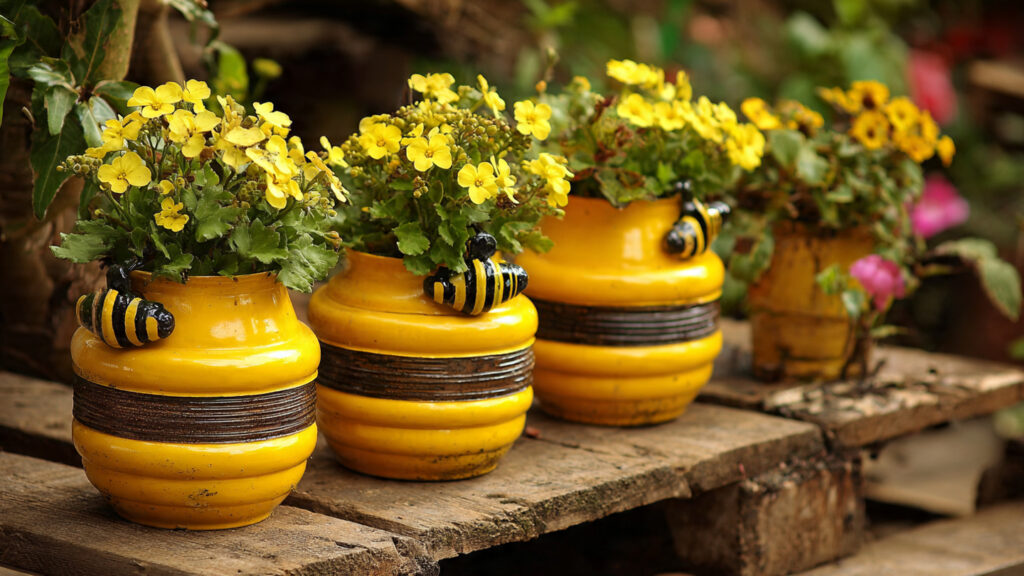
Pollinators, especially bees, play a crucial role in maintaining healthy gardens and ecosystems. Their buzzing presence not only helps plants thrive but also ensures bountiful fruits and flowers. What if you could create a bee-friendly garden while reusing plastic waste? With a little creativity, you can turn everyday plastic bottles into beautiful, functional bee flower pots. This DIY approach is eco-friendly, budget-friendly, and perfect for gardeners of all skill levels. In this guide, we’ll walk you through creating your own bee flower pots and making your garden a haven for pollinators.
Why Create Bee Flower Pots?
Bees are facing declining populations worldwide due to habitat loss, pesticides, and climate changes. Creating bee-friendly spaces can make a significant difference:
- Support pollination: Flowers in your garden will produce more fruits and seeds.
- Eco-friendly gardening: Using recycled bottles reduces plastic waste.
- Educational fun: A DIY bee flower pot project teaches children and adults about sustainability and pollinators.
- Aesthetic appeal: These pots are colorful, creative, and add charm to any balcony, terrace, or garden.
By making bee flower pots from plastic bottles, you’re contributing to environmental conservation while enhancing your garden’s beauty.
Materials Needed for DIY Bee Flower Pots
Before you start, gather the following items:
- Empty plastic bottles (1-liter or 2-liter soda bottles work well)
- Scissors or craft knife (be careful while cutting)
- Acrylic paints or permanent markers (for decorating)
- Potting soil
- Bee-friendly flower seeds such as marigolds, sunflowers, lavender, or cosmos
- String or wire (for hanging pots, optional)
- Glue or tape (for extra reinforcement if needed)
Optional items include googly eyes or small craft decorations if you want to give your pots a playful bee-themed look.
Step-by-Step Guide to Making Bee Flower Pots
1. Prepare the Plastic Bottles
- Wash and remove labels from your bottles to make a clean surface.
- Decide whether the pot will stand on a surface or hang. For hanging pots, poke holes on the sides and top for string or wire.
2. Cut the Bottle
- Using scissors or a craft knife, carefully cut a section of the bottle to create the opening for planting.
- For smaller pots, cut the top third of the bottle. For larger pots, cut the middle section.
- Smooth any sharp edges with sandpaper or tape to prevent injury.
3. Create Drainage Holes
- Poke 2–4 small holes at the bottom of the bottle for proper water drainage.
- Drainage prevents waterlogging, which can harm your flowers’ roots.
4. Decorate the Pots
- Paint the bottles with vibrant colors to attract attention and brighten your garden.
- Optional: Paint bee stripes or flowers to create a theme.
- Allow paint to dry completely before adding soil.
Decorating your pots is a fun way to personalize them and make them appealing for children and guests.
5. Fill with Soil and Plant Seeds
- Add potting soil to the bottle, leaving about an inch from the top.
- Plant your bee-friendly flower seeds according to package instructions.
- Water gently to settle the soil without washing away seeds.
6. Arrange Your Bee Flower Pots
- Stand pots on a sunny windowsill, balcony ledge, or garden table.
- Hang pots using string or wire to create vertical flower arrangements.
- Ensure the pots receive at least 6 hours of sunlight daily for optimal growth.
Choosing Bee-Friendly Flowers
Not all flowers attract bees equally. Here are some excellent choices for your DIY bee flower pots:
- Lavender: Fragrant, drought-tolerant, and loved by bees.
- Marigolds: Bright colors attract pollinators and are easy to grow.
- Cosmos: Low-maintenance flowers that produce nectar-rich blooms.
- Sunflowers: Tall, sunny flowers that provide pollen for bees.
- Zinnias: Vibrant flowers that bloom continuously in sunny spots.
Planting a variety ensures a steady nectar supply for bees throughout the season.
Benefits of Using Plastic Bottles for Bee Flower Pots
Reusing plastic bottles has multiple advantages:
- Reduces waste: Keeps bottles out of landfills and oceans.
- Budget-friendly: No need to purchase expensive planters.
- Customizable: Shape, size, and design can be tailored to your garden.
- Portable: Lightweight pots are easy to move, rotate, or hang.
By repurposing bottles, you’re combining environmental stewardship with creative gardening.
Caring for Your DIY Bee Flower Pots
Proper care ensures your flowers grow healthy and attract more bees:
- Watering: Water when the top inch of soil feels dry. Be careful not to overwater, as plastic pots retain moisture.
- Fertilizing: Use organic liquid fertilizers every 3–4 weeks to boost flowering.
- Pruning: Remove dead or wilted flowers to encourage new growth.
- Sunlight: Ensure pots are placed in sunny areas to promote nectar-rich blooms.
With consistent care, your bee flower pots will flourish all season long.
Creative Ideas for Display
- Vertical gardens: Hang multiple bottles from a railing to create a living wall.
- Colorful clusters: Group several painted pots together for a striking display.
- Themed arrangements: Design bee-themed decorations with painted stripes, googly eyes, or paper wings on pots.
- Seasonal changes: Swap seeds for seasonal flowers to maintain blooms year-round.
Creative arrangements enhance visual appeal while supporting pollinators.
Environmental Impact
DIY bee flower pots made from plastic bottles contribute positively to the environment:
- Reduce plastic pollution: Every repurposed bottle prevents additional plastic waste.
- Promote biodiversity: Providing flowers for bees supports local ecosystems.
- Sustainable gardening: Combines recycling with eco-friendly planting practices.
Small actions like these collectively make a big difference in sustainability efforts.
➡️ How to Grow Malabar Spinach from Cuttings for Fast, Easy Greens
➡️ How to Grow Super Delicious Cabbage at Home Without a Garden
➡️ How to Grow Bean Sprouts at Home in Plastic Bottles Easily (Step‑by‑Step Guide)
➡️ Why is Your Lemon Tree Blooming in the Heart of Winter?
➡️ Why Should Your Garden Have a Dedicated Pollinator Highway?
➡️ Why Do Your Fruit Trees Need a Winter Wash to Thrive in Spring?
➡️ How Can Rice Water Transform Your Fruits into Sweeter Delights?
➡️ Jumpstart Your Winter Garden: Seed Starting Under Lights
Additional Tips for a Thriving Bee Garden
- Plant in clusters: Bees are more attracted to clusters of flowers than scattered individual plants.
- Provide water: A shallow dish of water with pebbles nearby helps bees hydrate.
- Avoid pesticides: Chemicals can harm pollinators. Opt for organic pest control methods.
- Rotate plants: Regularly change seeds and flowers to ensure continuous blooms.
Following these tips maximizes both pollinator visits and your garden’s beauty.
Final Thoughts
DIY bee flower pots made from plastic bottles are a simple, creative, and environmentally friendly way to support pollinators while enhancing your garden. By reusing everyday waste, you can craft personalized, colorful planters that attract bees, brighten your outdoor spaces, and contribute to a sustainable lifestyle.
From choosing the right flowers to decorating bottles and arranging them creatively, this project is perfect for gardeners of all ages. Whether placed on a balcony, terrace, or garden, your DIY bee flower pots will provide essential nectar to bees, encourage pollination, and add vibrant charm to your home.
With a few bottles, some seeds, and a bit of creativity, you can make your garden a pollinator paradise—all while turning plastic waste into a useful, beautiful resource. Start today, and watch your garden—and the bees—thrive!