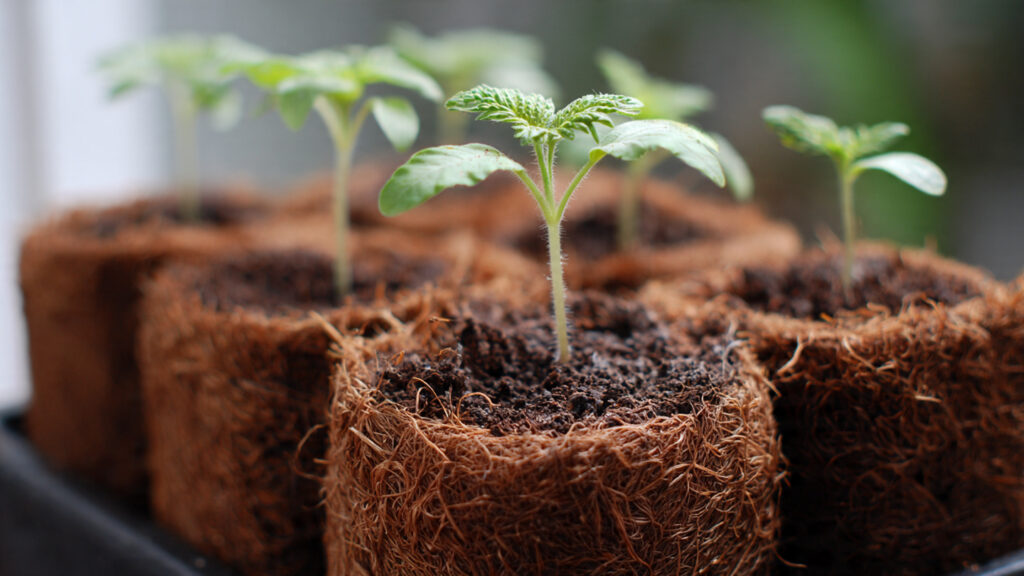
Gardening enthusiasts and home plant lovers are always on the lookout for natural and effective ways to boost plant health. While fertilizers and chemical growth enhancers are widely available, there’s a growing trend toward using sustainable, home-friendly alternatives. Among these, the combination of milk and coconut coir has emerged as a surprisingly effective method for growing strong, vibrant, and disease-resistant plants. This simple pairing is not only easy to apply but also environmentally friendly and budget-conscious.
In this article, we’ll explore how milk and coconut coir work together, their benefits for different types of plants, and practical steps for incorporating them into your gardening routine.
Why Milk Is Beneficial for Plants
Milk is often thought of as just a dietary staple for humans, but it also contains several nutrients that are extremely beneficial for plants. The main components that make milk a natural growth booster include:
- Calcium – Calcium is essential for plant cell development. It strengthens cell walls, preventing common issues like blossom-end rot in tomatoes, peppers, and eggplants.
- Proteins and Amino Acids – Milk contains proteins and amino acids that support plant metabolism, improving overall growth and vitality.
- Vitamins – Milk provides small amounts of vitamins, such as vitamin B, which can enhance plant health and resilience.
- Natural Antimicrobial Properties – Milk can act as a mild natural fungicide. It helps in reducing the spread of powdery mildew and other fungal infections when used appropriately.
When diluted and used correctly, milk can act as a gentle fertilizer, promoting strong stems, lush foliage, and more robust blooms.
Coconut Coir: Nature’s Super Soil Amendment
Coconut coir, made from the fibrous husk of coconuts, has become a staple for sustainable gardening. It’s an excellent alternative to traditional peat moss and provides numerous benefits for both indoor and outdoor plants. Some of its key properties include:
- Excellent Water Retention – Coconut coir holds water effectively while still allowing proper drainage, preventing both overwatering and underwatering issues.
- Aeration and Root Health – Its fibrous structure ensures roots get enough oxygen, which is essential for strong root development.
- Eco-Friendly – Unlike peat moss, coconut coir is a renewable resource, making it an environmentally responsible choice.
- Nutrient Absorption – Coir can retain essential nutrients in the soil, releasing them slowly to the plants for consistent growth.
The combination of coconut coir’s water retention and aeration properties with milk’s nutrient profile creates an ideal environment for healthy plant growth.
How Milk and Coconut Coir Work Together
The synergy between milk and coconut coir lies in their complementary benefits. Here’s why this combination is so effective:
- Enhanced Nutrient Delivery – Milk supplies essential nutrients, while coconut coir ensures they are retained in the root zone. This provides a slow-release nutrient system, reducing the need for chemical fertilizers.
- Stronger Roots and Stems – Coir’s fibrous structure encourages root expansion, while calcium in milk strengthens stems and leaves, resulting in plants that are structurally sound and less prone to breakage.
- Improved Soil Microbial Health – Milk contains beneficial microorganisms that, when combined with coir, support healthy microbial activity in the soil. This improves nutrient uptake and reduces the risk of soil-borne diseases.
- Moisture Balance – Coir maintains optimal moisture levels, while milk provides additional hydration along with nutrients, creating an ideal growth medium for both seedlings and mature plants.
This natural, low-cost combination makes gardening more sustainable while promoting healthier plants that are more resilient to environmental stressors.
Step-by-Step Guide: Using Milk and Coconut Coir for Your Plants
Here’s how to apply this method effectively, whether you’re growing vegetables, herbs, or ornamental plants.
1. Prepare the Coconut Coir
- Take the required amount of coconut coir bricks or loose coir.
- If using compressed bricks, soak them in water for 10–15 minutes until they expand fully.
- Fluff the coir to improve aeration and drainage.
2. Dilute the Milk
- Use fresh milk or low-fat milk.
- Mix 1 part milk to 2–3 parts water. This ensures the milk does not develop a strong odor or encourage mold growth.
- Shake or stir well to create a uniform solution.
3. Apply Milk to Plants
- For seedlings: Use a small spray bottle to mist the diluted milk solution onto the soil and leaves once a week.
- For mature plants: Pour the solution directly into the root zone every 2–3 weeks, depending on the plant type.
- Avoid over-application, as excessive milk can lead to unpleasant smells and attract pests.
4. Combine with Coconut Coir
- If planting directly in coir, mix a portion of coir with regular soil in your pot or garden bed.
- Use the milk solution to water the coir, ensuring the nutrients are absorbed by the roots.
- For indoor potted plants, you can even create a coir-based soil mix with compost and perlite for the best results.
Plants That Benefit Most from Milk and Coir
While this method can be applied to a wide range of plants, certain types see particularly impressive results:
- Vegetables – Tomatoes, peppers, and cucumbers thrive due to the calcium in milk, which prevents blossom-end rot.
- Herbs – Basil, mint, and cilantro respond well to the gentle nutrients in milk and the moisture-retentive properties of coir.
- Flowering Plants – Roses, hibiscus, and marigolds grow more vibrant blooms when supported by this natural feeding method.
- Seedlings – Young plants develop stronger roots and are less prone to damping-off disease when coir and milk are used together.
Tips for Maximum Effectiveness
To get the best results from milk and coconut coir, follow these practical tips:
- Use fresh milk only – Avoid spoiled milk, as it can harm plants.
- Moderate frequency – Weekly to bi-weekly application is sufficient for most plants.
- Observe plant response – Some plants are more sensitive to milk; reduce frequency if you notice yellowing leaves.
- Combine with compost – For additional nutrients, add compost or organic matter to your coir-based mix.
- Store coir properly – Keep it dry until use to prevent mold growth.
Advantages Over Chemical Fertilizers
The milk and coconut coir combination offers several advantages over synthetic fertilizers:
- Natural and Non-Toxic – Safe for children, pets, and the environment.
- Cost-Effective – Both ingredients are inexpensive and often available at home.
- Eco-Friendly – Reduces reliance on chemical fertilizers that can harm soil and water systems.
- Versatile – Works for a variety of indoor and outdoor plants.
- Promotes Long-Term Soil Health – Enhances microbial activity and soil structure, supporting sustainable gardening.
Common Mistakes to Avoid
Even natural methods require care. Here are some mistakes to avoid:
- Using undiluted milk – Can lead to foul odors, mold, and pest problems.
- Overwatering – Coconut coir retains water well; excessive milk solution can oversaturate soil.
- Ignoring plant-specific needs – Different plants have different nutrient requirements. Observe and adjust.
- Skipping aeration – Coir must be fluffed and mixed properly to prevent compaction and root suffocation.
Conclusion
Using milk and coconut coir together is one of the simplest yet most effective ways to boost plant health. This natural, sustainable, and budget-friendly combination nourishes plants, strengthens roots and stems, and supports a thriving garden ecosystem. Whether you are a beginner gardener or an experienced plant enthusiast, incorporating this method into your routine can lead to healthier plants, more vibrant blooms, and an overall more productive garden.
By leveraging the natural nutrients in milk and the superior soil qualities of coconut coir, you can achieve impressive results without relying on chemical fertilizers. So, next time you want to give your plants a boost, reach for that carton of milk and a bag of coir—your garden will thank you!
➡️ How to Grow Malabar Spinach from Cuttings for Fast, Easy Greens
➡️ How to Grow Super Delicious Cabbage at Home Without a Garden
➡️ How to Grow Bean Sprouts at Home in Plastic Bottles Easily (Step‑by‑Step Guide)
➡️ Why is Your Lemon Tree Blooming in the Heart of Winter?
➡️ Why Should Your Garden Have a Dedicated Pollinator Highway?
➡️ Why Do Your Fruit Trees Need a Winter Wash to Thrive in Spring?
➡️ How Can Rice Water Transform Your Fruits into Sweeter Delights?
➡️ Jumpstart Your Winter Garden: Seed Starting Under Lights