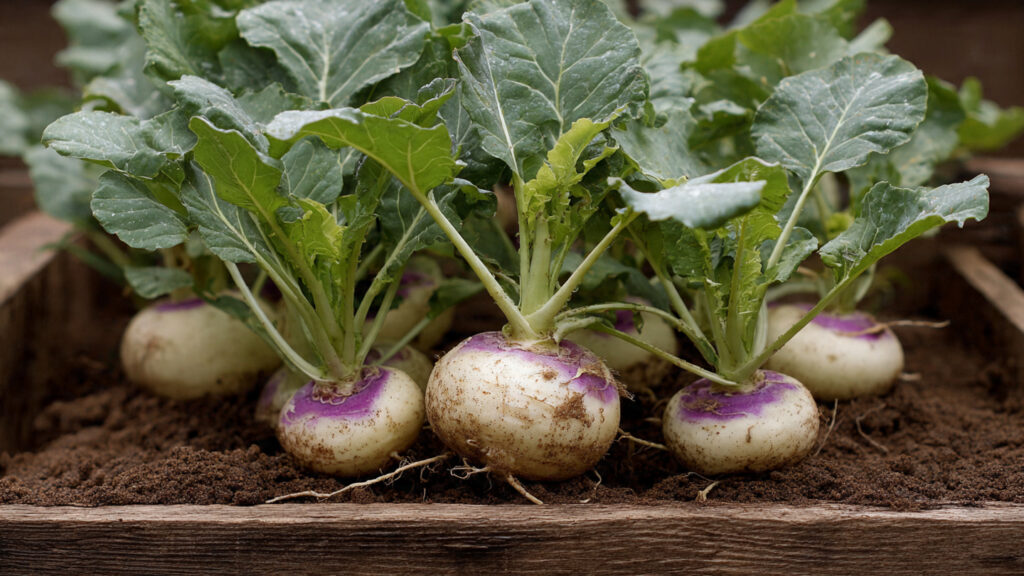
In the pursuit of a healthy, sustainable lifestyle, simple kitchen waste can become a gardener’s secret weapon. One of the most overlooked items is the humble eggshell. Often discarded without a second thought, eggshells are packed with nutrients that can boost soil fertility and support healthy vegetable growth. One vegetable that benefits immensely from this eco-friendly practice is kohlrabi—a crunchy, nutrient-rich, and fast-growing member of the cabbage family.
In this guide, we’ll show you how to harness eggshells to grow kohlrabi the easy and sustainable way, whether you have a small backyard garden, a balcony planter, or a community plot.
Why Kohlrabi Is Perfect for Sustainable Gardening
Kohlrabi (Brassica oleracea var. gongylodes) is a versatile vegetable known for its round, bulbous stem, which can be eaten raw or cooked. It’s ideal for sustainable gardening for several reasons:
- Fast Growth: Kohlrabi matures in as little as 45–60 days, making it a quick win for home gardeners.
- Cold Hardy: It tolerates mild frost, extending the growing season in cooler climates.
- Low Maintenance: Resistant to many pests and diseases, especially when grown in healthy, nutrient-rich soil.
- Nutritious: Rich in vitamin C, fiber, and antioxidants, it’s a powerhouse for healthy meals.
When combined with natural fertilizers like eggshells, kohlrabi becomes a star crop for gardeners seeking eco-friendly and cost-effective practices.
Eggshells: A Natural Fertilizer for Kohlrabi
Eggshells are primarily made of calcium carbonate, which helps strengthen cell walls in plants, improving growth and reducing the risk of common issues like blossom end rot. Here’s why eggshells are perfect for kohlrabi cultivation:
- Soil Enrichment: Crushed eggshells slowly release calcium and trace minerals into the soil.
- pH Balance: They can help neutralize slightly acidic soils, creating a favorable environment for kohlrabi roots.
- Pest Deterrent: Sharp eggshell pieces can deter slugs and snails, protecting tender kohlrabi leaves.
By reusing eggshells instead of tossing them, you’re creating a circular gardening system that reduces waste and enhances your soil naturally.
Preparing Eggshells for Your Garden
To make the most of eggshells, proper preparation is essential:
- Clean Thoroughly: Rinse eggshells to remove any residual egg white or yolk, preventing odors and attracting pests.
- Dry Completely: Air dry or bake at a low temperature for 10–15 minutes to remove moisture.
- Crush or Grind: Crush the eggshells into small pieces or grind them into a fine powder. Powdered eggshells release nutrients more quickly, while larger pieces act as slow-release fertilizer.
Once prepared, eggshells can be sprinkled directly into planting holes, mixed into potting soil, or added to compost for gradual nutrient enrichment.
Choosing the Right Soil and Container
Kohlrabi thrives in well-drained, nutrient-rich soil, making it perfect for eggshell supplementation:
- Soil Mix: Combine garden soil with compost and a handful of crushed eggshells for a nutrient boost.
- pH Level: Aim for slightly acidic to neutral soil (6.0–7.0) for optimal kohlrabi growth.
- Container Gardening: If planting in pots or raised beds, use containers at least 8–10 inches deep to accommodate the bulbous stem and roots.
Eggshells help maintain soil structure, prevent compaction, and ensure that your kohlrabi plants have a strong foundation to grow.
Sowing Kohlrabi Seeds
Kohlrabi is easy to grow from seeds, and eggshells can be used during the sowing process for added benefits:
- Seed Preparation: Soak seeds in water for a few hours to improve germination.
- Planting Depth: Sow seeds ½ inch deep in soil mixed with finely crushed eggshell powder.
- Spacing: Thin seedlings to 6–8 inches apart to allow room for the bulbous stem to develop.
- Watering: Keep the soil consistently moist, especially during germination, but avoid waterlogging.
The presence of eggshells in the soil ensures calcium availability, supporting strong cell walls and robust growth from the very start.
Watering and Sunlight Requirements
Kohlrabi requires regular water and moderate sunlight to grow quickly and develop tender bulbs:
- Watering: Water 2–3 times per week, depending on climate and soil type. Soil should be moist but not soggy.
- Sunlight: Provide 4–6 hours of direct sunlight per day. In extremely hot climates, partial shade can prevent stress on the plant.
Consistent watering combined with nutrient-rich eggshell soil produces healthy, crisp stems and vibrant leaves.
Fertilizing with Eggshells
In addition to soil incorporation at planting, eggshells can be used throughout the growing cycle:
➡️ How to Grow Malabar Spinach from Cuttings for Fast, Easy Greens
➡️ How to Grow Super Delicious Cabbage at Home Without a Garden
➡️ How to Grow Bean Sprouts at Home in Plastic Bottles Easily (Step‑by‑Step Guide)
➡️ Why is Your Lemon Tree Blooming in the Heart of Winter?
➡️ Why Should Your Garden Have a Dedicated Pollinator Highway?
➡️ Why Do Your Fruit Trees Need a Winter Wash to Thrive in Spring?
➡️ How Can Rice Water Transform Your Fruits into Sweeter Delights?
➡️ Jumpstart Your Winter Garden: Seed Starting Under Lights
- Side Dressing: Sprinkle powdered eggshells around the base of each plant every 2–3 weeks.
- Compost Integration: Mix eggshells into compost and use it as a top dressing for your kohlrabi bed.
- Natural Pest Deterrent: Coarsely crushed eggshells can be placed around plants to protect against slugs and snails.
By integrating eggshells in multiple ways, you provide a continuous, sustainable nutrient source for your plants.
Managing Pests and Diseases
While kohlrabi is generally low-maintenance, sustainable practices help reduce common garden problems:
- Slug and Snail Control: Crushed eggshells around the plant base act as a natural barrier.
- Aphid Management: Encourage beneficial insects like ladybugs or spray mild neem oil for minor infestations.
- Fungal Issues: Ensure proper spacing and air circulation to prevent damping-off or powdery mildew.
Sustainable practices, such as using eggshells and organic fertilizers, reduce reliance on chemical pesticides, keeping your garden eco-friendly.
Harvesting Kohlrabi
Kohlrabi grows fast and can be harvested multiple times if done correctly:
- Timing: Harvest when stems reach 2–3 inches in diameter, typically 45–60 days after sowing. Larger bulbs may become woody and tough.
- Method: Use a sharp knife to cut the stem just above the soil line, leaving leaves for regrowth in some varieties.
- Continuous Harvest: Stagger planting every 2–3 weeks for a steady supply of fresh kohlrabi throughout the growing season.
Strong, calcium-rich stems from eggshell-enriched soil are tender, crisp, and full of flavor.
Sustainable Gardening Beyond Eggshells
Using eggshells to grow kohlrabi is just one aspect of sustainable gardening. Other complementary practices include:
- Composting Kitchen Waste: Banana peels, vegetable scraps, and coffee grounds provide additional nutrients.
- Rainwater Harvesting: Use collected rainwater for irrigation to reduce dependence on municipal water.
- Crop Rotation: Plant kohlrabi with legumes or leafy greens to maintain soil fertility naturally.
- Mulching: Organic mulch conserves moisture, regulates temperature, and suppresses weeds.
Sustainability in the garden enhances soil health, reduces waste, and produces nutritious, chemical-free vegetables.
Final Thoughts
Don’t throw away your eggshells—they’re a gardener’s hidden treasure. By incorporating eggshells into your soil, you can grow kohlrabi easily, sustainably, and successfully, whether in pots, raised beds, or large garden plots. This simple, eco-friendly practice enriches the soil with calcium, improves structure, deters pests, and supports robust, crisp stems that are both delicious and nutritious.
Kohlrabi’s rapid growth, combined with the natural benefits of eggshells, makes it ideal for home gardeners and sustainable agriculture enthusiasts alike. By following these steps—preparing eggshells, enriching soil, proper watering, and mindful pest management—you can create a thriving kohlrabi garden that’s good for the environment and great for your kitchen.
Start today: save your eggshells, prepare your soil, and watch as your sustainable kohlrabi garden flourishes with minimal effort. Every meal will taste fresher, every plant will grow stronger, and your garden will demonstrate the beauty of eco-friendly, sustainable gardening in action.