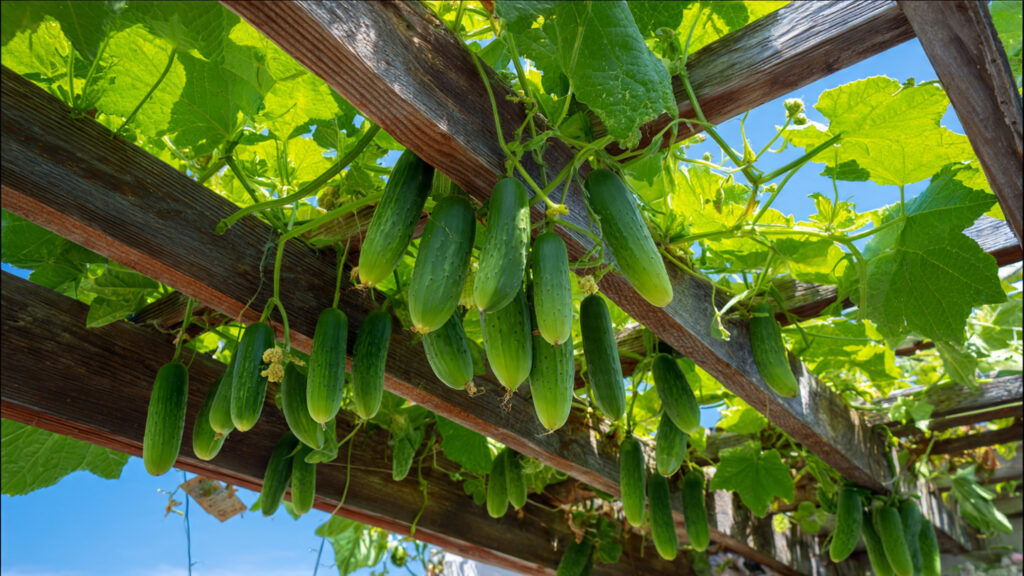
Urban living often limits the space available for traditional gardening, but small spaces don’t have to mean small harvests. With some smart planning and simple techniques, even a balcony can become a thriving cucumber farm. Cucumbers are fast-growing, space-efficient, and incredibly rewarding plants that can provide fresh, crisp produce throughout the season. This guide will walk you through the steps to transform your balcony into a lush, productive cucumber garden, proving that you don’t need acres of land to enjoy bountiful harvests.
Why Grow Cucumbers on a Balcony?
Cucumbers are ideal for balcony gardening for several reasons:
- Vertical growth: Many cucumber varieties naturally climb, making them perfect for trellises and hanging setups.
- Fast yield: Cucumbers mature quickly, allowing multiple harvests in a single season.
- Space-efficient: With the right containers and supports, you can grow several plants in a small area.
- Fresh and healthy: Homegrown cucumbers are free from pesticides and have superior flavor compared to store-bought varieties.
Balcony gardening also brings greenery to your living space, improves air quality, and adds a touch of nature to urban life.
Step 1: Choose the Right Cucumber Variety
Not all cucumbers are suited for container or balcony growth. Choose compact or bush varieties that perform well in pots and small spaces:
- Bush cucumbers: Ideal for containers; they don’t require extensive trellising.
- Pickling cucumbers: Compact and high-yielding, great for small-space gardeners.
- Climbing varieties: For vertical trellises; perfect if you want to maximize floor space.
Selecting the right variety ensures healthy growth and bigger harvests, even in limited space.
Step 2: Select Appropriate Containers
Cucumbers need room for roots to thrive. Choose containers that provide adequate depth and drainage:
- Minimum size: 12–16 inches deep and 12–16 inches wide.
- Materials: Plastic, ceramic, or grow bags are all suitable. Ensure containers have drainage holes to prevent waterlogging.
- Mobility: Lightweight pots or grow bags make it easy to adjust for sunlight and airflow.
Using the right containers gives cucumber plants enough space to grow vigorously and produce large fruits.
Step 3: Prepare the Soil Mix
Cucumbers are nutrient-hungry and require rich, well-draining soil. A simple balcony-friendly soil mix includes:
- 1 part garden soil or compost – provides essential nutrients.
- 1 part coco peat or peat moss – retains moisture without waterlogging roots.
- 1 part perlite or coarse sand – improves aeration and drainage.
Before planting, mix thoroughly and fill your container, leaving about an inch at the top to prevent overflow when watering.
Step 4: Planting Your Cucumbers
Whether starting from seeds or seedlings, follow these steps for strong growth:
- Seeds: Plant 2–3 seeds per container, 1 inch deep. Thin seedlings after sprouting to leave the strongest plant.
- Seedlings: Gently transplant young cucumber plants into the container, keeping the root ball intact.
- Spacing: One plant per medium container is sufficient for bush varieties; climbing varieties can share a larger container with a trellis.
Proper planting ensures robust root development and reduces the risk of stunted growth.
Step 5: Provide Adequate Sunlight
Cucumbers thrive in full sun, requiring at least 6–8 hours of direct light daily. On a balcony, place containers where they receive maximum sun exposure. If sunlight is limited:
- Consider reflective surfaces or light-colored walls to increase light intensity.
- Use grow lights in shaded areas or during shorter daylight periods.
Sunlight is essential for flowering and fruit production, directly impacting your harvest size.
Step 6: Support Vertical Growth
Vertical gardening maximizes balcony space and improves airflow around plants, reducing disease risk. Effective support options include:
- Trellises: Bamboo or metal trellises allow climbing varieties to grow upward.
- Netting: Lightweight netting can support both vertical and sprawling growth.
- String supports: Attach strings from balcony ceiling or railing for small climbing cucumbers.
Training plants upward increases sunlight exposure to leaves and encourages bigger, straighter fruits.
➡️ How to Grow Malabar Spinach from Cuttings for Fast, Easy Greens
➡️ How to Grow Super Delicious Cabbage at Home Without a Garden
➡️ How to Grow Bean Sprouts at Home in Plastic Bottles Easily (Step‑by‑Step Guide)
➡️ Why is Your Lemon Tree Blooming in the Heart of Winter?
➡️ Why Should Your Garden Have a Dedicated Pollinator Highway?
➡️ Why Do Your Fruit Trees Need a Winter Wash to Thrive in Spring?
➡️ How Can Rice Water Transform Your Fruits into Sweeter Delights?
➡️ Jumpstart Your Winter Garden: Seed Starting Under Lights
Step 7: Watering and Moisture Management
Cucumbers require consistent moisture but are sensitive to waterlogging. Follow these watering tips:
- Water deeply once or twice daily in hot weather; reduce frequency in cooler months.
- Check soil moisture with your fingers; the top inch should remain slightly damp.
- Use mulch (straw, shredded leaves, or coco coir) to retain moisture, regulate soil temperature, and reduce evaporation.
Proper watering ensures vigorous growth, healthy leaves, and abundant fruit production.
Step 8: Fertilization for Bigger Harvests
Cucumbers are heavy feeders. A nutrient-rich regimen promotes lush growth and bigger fruits:
- Organic fertilizer: Compost, vermicompost, or liquid organic fertilizers every 2–3 weeks.
- Balanced NPK fertilizer: Use a balanced formula (10:10:10) during vegetative growth; switch to a higher potassium formula during flowering and fruiting.
- Foliar feeding: Spray diluted liquid fertilizer on leaves to boost micronutrients and support flowering.
Regular feeding encourages longer fruiting cycles and enhances taste and size.
Step 9: Pollination Tips
Balcony cucumbers may need assistance with pollination, especially if grown indoors or in high-rise buildings:
- Hand pollination: Use a small brush or cotton swab to transfer pollen from male flowers to female flowers.
- Encourage pollinators: If outdoors, attract bees or other pollinators with companion plants like marigolds or nasturtiums.
Proper pollination ensures full, well-shaped cucumbers and higher yields.
Step 10: Pruning and Maintenance
Pruning encourages airflow, reduces disease, and focuses energy on fruiting:
- Remove yellowing or diseased leaves regularly.
- Pinch off the tips of vines if growth becomes unruly, redirecting energy to existing fruits.
- Monitor for pests such as aphids, whiteflies, or spider mites; treat promptly with neem oil or insecticidal soap.
A little maintenance goes a long way in keeping plants healthy and productive.
Step 11: Harvesting Cucumbers
Timing your harvest is key to enjoying fresh, tender cucumbers:
- Pick regularly: Harvest every 2–3 days to encourage continuous fruiting.
- Size: Most bush cucumbers are best harvested at 6–8 inches; climbing varieties may grow longer.
- Avoid overripe fruits: Leaving cucumbers on the vine too long slows further production and reduces quality.
Regular harvesting ensures a steady supply and promotes bigger overall yields.
Step 12: Maximizing Your Balcony Farm
To make the most of your space:
- Interplant with companion crops: Herbs like basil or dill, or quick-growing greens, can thrive alongside cucumbers.
- Use vertical shelving: Stack containers or use tiered planters to increase capacity.
- Rotate crops: After cucumbers finish their season, plant leafy greens or flowers to keep the balcony productive year-round.
Smart planning ensures your balcony is a year-round source of fresh, homegrown produce.
Conclusion
Growing cucumbers on your balcony is not only possible—it’s highly rewarding. By choosing the right variety, using proper containers, preparing nutrient-rich soil, and following key care steps such as vertical support, consistent watering, fertilization, and pollination, even a small balcony can yield a generous harvest.
With minimal space, you can create a lush, tropical-style cucumber farm that supplies fresh, crisp cucumbers throughout the growing season. Beyond the produce, a thriving balcony garden adds greenery, reduces stress, and turns your small urban space into a vibrant oasis.
Whether you are a beginner or an experienced gardener, following these simple steps guarantees that your balcony can become a productive, beautiful, and refreshing cucumber paradise.