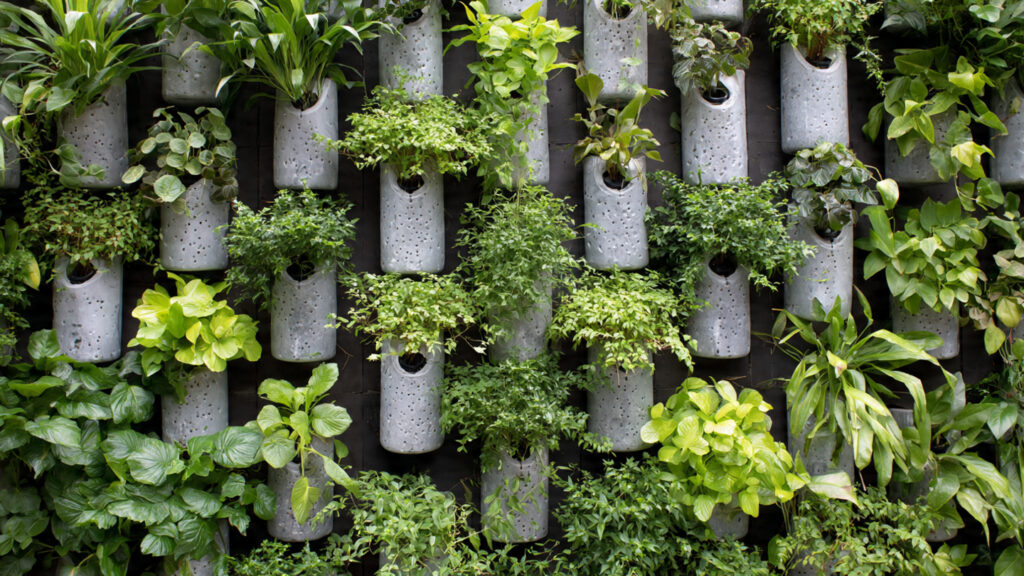
In today’s world, where space is limited and environmental concerns are on the rise, vertical gardens have become a smart and stylish solution. But what if I told you that you could build one using something as simple as discarded plastic bottles? Not only does this approach help reduce plastic waste, but it also lets you grow fresh herbs, vegetables, and flowers — even in the smallest spaces.
This easy DIY guide will show you how to create a vertical garden from plastic bottles, turning trash into treasure while embracing sustainable living.
Why Vertical Gardens Are Perfect for Small Spaces
Vertical gardens maximize space by growing plants upward instead of outward. They’re ideal for:
- Balconies and patios – no need for large garden plots
- Urban apartments – even a small wall can host a mini-garden
- Rooftop gardens – save soil and reduce clutter
- Schools or community projects – teaching sustainability creatively
By using vertical space, you can grow more plants per square foot, making vertical gardens efficient and visually appealing.
Why Use Plastic Bottles?
Plastic bottles are one of the most abundant forms of waste globally. Repurposing them for gardening offers multiple benefits:
- Eco-friendly – reduces plastic pollution
- Affordable – almost free compared to store-bought planters
- Lightweight – easy to hang and move
- Customizable – can be cut or shaped to fit any wall or balcony
- Durable – withstands weather better than some other materials
By giving plastic bottles a second life, you contribute to sustainable living while enjoying fresh produce.
Materials You’ll Need
To create a vertical garden from plastic bottles, gather the following:
- Empty plastic bottles (500 ml to 2 liters, depending on your plant choice)
- Sharp scissors or a craft knife
- Rope, twine, or strong string for hanging
- Drill or a heated nail for drainage holes
- Soil or potting mix
- Seeds or seedlings (herbs, leafy greens, or flowers)
- Optional: paint or decorative elements for personalization
The best part? You can adapt the size and shape of bottles depending on available space and the type of plants you want to grow.
Step 1: Prepare the Bottles
The first step is transforming bottles into planters:
- Clean the bottles thoroughly to remove labels and residues.
- Cut a horizontal slit in the side for planting. The slit should be about 1/3 of the bottle’s height.
- Create drainage holes at the bottom using a heated nail or small drill. Proper drainage prevents root rot and keeps plants healthy.
- Optional: Paint or decorate the bottles for a personal touch and to protect them from sun damage.
Tip: Bottles with caps make it easier to hang vertically, as the top can be threaded onto ropes.
Step 2: Attach Bottles for Vertical Hanging
There are several ways to set up your vertical garden:
Method 1: Rope Hanging
- Drill two holes on opposite sides near the top and bottom of the bottle.
- Thread the rope through, tying secure knots.
- Hang the rope from a wall hook, ceiling bracket, or balcony railing.
- Stack multiple bottles along the rope, leaving enough space for plant growth.
Method 2: Wall-Mounted
- Fix a wooden or metal frame to a wall.
- Attach bottles horizontally or vertically using hooks, brackets, or zip ties.
Method 3: Ladder or Rail
- Place a ladder against a wall.
- Hang bottles on each rung using rope or wire.
The goal is to keep bottles stable while allowing easy watering and sunlight exposure.
Step 3: Add Soil and Plant Your Seeds
Once the bottles are prepared and hung:
- Fill each bottle with a high-quality potting mix. For vegetables and herbs, add some compost for nutrients.
- Plant seeds or seedlings according to their depth requirements. Examples include:
- Herbs: basil, mint, parsley, coriander
- Leafy greens: lettuce, spinach, kale
- Flowers: marigolds, petunias, nasturtiums
- Gently water the soil, making sure it’s moist but not soggy.
Tip: Use a funnel or small watering can to prevent soil from spilling out of the bottle slit.
Step 4: Ensure Proper Sunlight and Watering
Vertical gardens need attention to sunlight and water:
➡️ How to Grow Malabar Spinach from Cuttings for Fast, Easy Greens
➡️ How to Grow Super Delicious Cabbage at Home Without a Garden
➡️ How to Grow Bean Sprouts at Home in Plastic Bottles Easily (Step‑by‑Step Guide)
➡️ Why is Your Lemon Tree Blooming in the Heart of Winter?
➡️ Why Should Your Garden Have a Dedicated Pollinator Highway?
➡️ Why Do Your Fruit Trees Need a Winter Wash to Thrive in Spring?
➡️ How Can Rice Water Transform Your Fruits into Sweeter Delights?
➡️ Jumpstart Your Winter Garden: Seed Starting Under Lights
- Sunlight: Most vegetables and herbs need 4–6 hours of direct sunlight. Rotate bottles if necessary for even exposure.
- Watering: Vertical gardens dry out faster. Check soil moisture every day, especially in hot weather.
- Drainage: Make sure the bottom bottle doesn’t pool water, as excess moisture can harm plants.
Adding mulch or small pebbles on top of the soil can reduce evaporation and help retain moisture.
Step 5: Maintain Your Vertical Garden
Even a low-maintenance vertical garden needs occasional care:
- Pruning: Trim herbs and leafy vegetables regularly to encourage new growth.
- Fertilizing: Use organic liquid fertilizers every 2–3 weeks to boost fruiting and foliage. Examples: diluted compost tea, fish emulsion, or cow manure extract.
- Pest control: Watch for pests like aphids or mites. Organic sprays using neem oil or garlic extract work well.
- Rotate plants seasonally: Replace spent crops with new seeds to maintain continuous growth.
By keeping the garden healthy, you ensure consistent yields and vibrant foliage.
Creative Ideas for Vertical Gardens
Vertical gardens from plastic bottles are versatile. Here are some creative ideas:
- Colorful Walls: Paint bottles in bright colors for a lively garden wall.
- Herb Spiral: Arrange bottles in a spiral pattern to save space and improve visual appeal.
- Mini Greenhouse Bottles: Keep bottle caps partially closed to create a mini-greenhouse effect for seedlings.
- Hanging Herb Towers: Stack small bottles vertically on a rope for a compact indoor herb garden.
- Community Projects: Engage children or neighbors by turning a shared wall into a vertical garden.
These ideas make your vertical garden functional, aesthetic, and community-friendly.
Benefits of a Plastic Bottle Vertical Garden
Creating a vertical garden with plastic bottles has multiple advantages:
- Reduces plastic waste: Keeps bottles out of landfills and oceans.
- Space-saving: Ideal for small apartments, balconies, and urban areas.
- Cost-effective: Uses free or recycled materials instead of expensive pots.
- Sustainable living: Encourages self-sufficiency and organic gardening.
- Educational: Demonstrates recycling, ecology, and plant growth for kids and communities.
It’s a small change that creates a lasting environmental impact.
Troubleshooting Common Issues
Even simple DIY gardens face challenges. Here’s how to address them:
- Plants not growing: Check sunlight, water, and soil quality. Ensure drainage is sufficient.
- Bottles falling: Reinforce ropes, tighten knots, and distribute weight evenly.
- Soil drying too fast: Add mulch or water more frequently. Consider a drip irrigation system.
- Pest problems: Use natural pest deterrents and remove damaged leaves promptly.
By monitoring your vertical garden, you’ll enjoy consistent growth and minimal stress.
Conclusion: Sustainable Living Starts Small
Creating a vertical garden from plastic bottles is more than just a fun DIY project — it’s a step toward sustainable living. It teaches the value of recycling, reduces plastic waste, and brings greenery into urban spaces. Whether you want fresh herbs for your kitchen, leafy vegetables for salads, or colorful flowers for your balcony, this easy vertical garden system can deliver it all.
By following this guide — preparing bottles, arranging them vertically, using organic soil and fertilizers, and maintaining your plants — you can transform simple trash into a thriving garden.
Sustainability doesn’t require big budgets or huge spaces. Sometimes, it starts with just a few bottles, a little soil, and a willingness to turn waste into life. With your vertical garden, you’re not just growing plants — you’re growing a greener, cleaner, and more sustainable future.