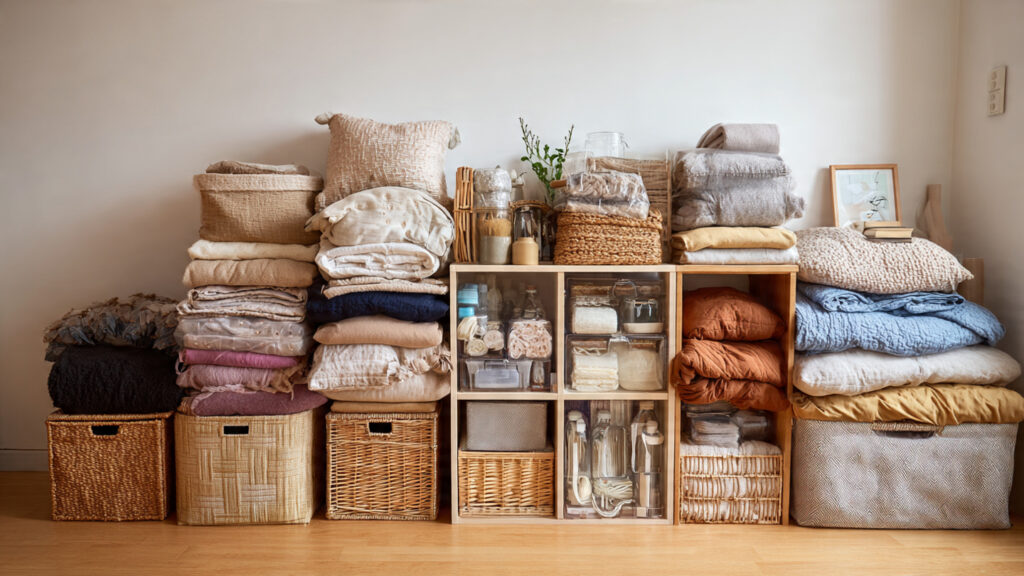
A tidy and organized home is often seen as a simple reflection of personal habits, but there’s much more at play than just putting things in their place. Beneath the surface lies a set of principles that govern how spaces function, how we interact with them, and how order impacts our mental and emotional well-being. Understanding these unseen principles can transform housekeeping from a mundane task into a purposeful practice that enhances productivity, clarity, and peace of mind. In this article, we explore the hidden strategies and philosophies behind maintaining a well-organized home and how to apply them effectively.
Principle 1: Order Reflects Mindset
The state of your home often mirrors the state of your mind. A cluttered space can indicate mental overwhelm or indecision, while an organized environment signals clarity and intentionality. Recognizing this connection is the first principle of home organization: your surroundings are an external reflection of your internal habits and priorities.
- Awareness is key: Observe how clutter affects your mood and productivity.
- Intentional living: Choose which possessions and items serve your lifestyle and remove those that don’t.
- Mindful decisions: Every item you keep, store, or discard should align with your goals and values.
By understanding that organization starts from within, maintaining a tidy home becomes less about chores and more about cultivating mental clarity.
Principle 2: Everything Has a Place
One of the most fundamental principles behind an organized home is assigning a specific place for every item. When things have designated spots, clutter is minimized, and your daily routines become seamless.
- Zones for purpose: Group items according to their function—kitchen tools together, work supplies in one area, and personal care products in another.
- Accessibility matters: Store frequently used items within easy reach and less-used items in more distant storage.
- Return habit: Make it a rule that everything goes back to its place after use. This reduces mess accumulation.
This principle turns tidying into a simple habit rather than a time-consuming task, creating a home that consistently feels orderly.
Principle 3: The Power of Decluttering
Decluttering is more than a trendy concept—it’s an essential principle that underpins organization. Accumulating items without purpose can create mental and physical congestion.
- Quality over quantity: Keep items that are functional, meaningful, or bring joy.
- Regular review: Periodically assess belongings and remove what no longer serves you.
- One-in, one-out rule: Introduce this rule when acquiring new items to prevent clutter from building.
By reducing excess, you free up physical and mental space, allowing your home to feel open and calming.
Principle 4: Flow and Function
A truly organized home isn’t just about appearances—it’s about creating spaces that support smooth daily functioning. This principle focuses on the flow of movement, accessibility, and usability.
- Ergonomic arrangement: Place items where they are most convenient for their use.
- Clear pathways: Ensure rooms and hallways are free from obstructions to make movement effortless.
- Task-focused design: Organize kitchens, offices, and laundry areas according to the tasks performed there for efficiency.
Homes organized with flow and function in mind feel intuitive and reduce the friction of daily routines.
Principle 5: Maintain Consistency
Consistency is an often-overlooked principle of organization. A home can be perfectly tidy one day and chaotic the next if habits aren’t maintained.
- Daily habits: Spend 10–15 minutes each day putting things back in place.
- Weekly routines: Dedicate time for cleaning surfaces, vacuuming, or organizing storage spaces.
- Seasonal refresh: Every few months, perform a deeper declutter and reorganization to maintain long-term order.
Consistency transforms tidiness from an occasional effort into a lifestyle that requires less stress and time.
Principle 6: Simplicity is Key
Overcomplicating storage and organization can create more problems than it solves. The principle of simplicity emphasizes reducing unnecessary complexity to make maintaining order effortless.
- Limit storage containers: Too many bins, baskets, or boxes can create visual clutter.
- Keep it intuitive: Organize in a way that anyone entering your home can understand where things belong.
- Simplify décor: Avoid overcrowding surfaces with decorative items, allowing functional spaces to shine.
Simplicity ensures that organization is sustainable and that maintaining order doesn’t feel like a burden.
Principle 7: Adapt to Your Lifestyle
No organizational method works universally. The best approach is one that aligns with your habits, routines, and lifestyle.
- Observe patterns: Notice which areas tend to become cluttered first and adjust your storage solutions accordingly.
- Flexible systems: Use modular storage or multipurpose furniture that can adapt as your needs change.
- Family collaboration: In shared homes, include all members in maintaining organization to create a collective system.
When your organization system works with you, not against you, tidiness becomes natural rather than forced.
➡️ How to Grow Malabar Spinach from Cuttings for Fast, Easy Greens
➡️ How to Grow Super Delicious Cabbage at Home Without a Garden
➡️ How to Grow Bean Sprouts at Home in Plastic Bottles Easily (Step‑by‑Step Guide)
➡️ Why is Your Lemon Tree Blooming in the Heart of Winter?
➡️ Why Should Your Garden Have a Dedicated Pollinator Highway?
➡️ Why Do Your Fruit Trees Need a Winter Wash to Thrive in Spring?
➡️ How Can Rice Water Transform Your Fruits into Sweeter Delights?
➡️ Jumpstart Your Winter Garden: Seed Starting Under Lights
Principle 8: Emotional Connection to Space
Another unseen principle is the emotional relationship we have with our surroundings. Items we keep often carry memories or emotions, and understanding this can make organization less stressful.
- Mindful decision-making: Ask yourself whether an item sparks joy, serves a purpose, or holds sentimental value.
- Memory preservation: Store meaningful items thoughtfully rather than letting them create clutter.
- Emotional decluttering: Let go of objects tied to negative emotions or past burdens to free mental space.
A home organized with awareness of emotional connections not only looks neat but also feels psychologically restorative.
Principle 9: Visual Harmony Matters
Humans respond to visual order instinctively. Spaces that are aesthetically balanced tend to feel cleaner and more organized, even if the actual number of items hasn’t changed.
- Uniform storage: Matching containers or coordinated shelving can create visual cohesion.
- Color coding: Using consistent color schemes for storage or décor creates calm and reduces visual noise.
- Surface clarity: Keep countertops, desks, and tables minimally cluttered to give the impression of order.
Visual harmony complements practical organization, reinforcing mental calm and clarity.
Principle 10: Organization as a Mindful Practice
Finally, maintaining a tidy home is an ongoing practice, not a one-time task. Approaching organization mindfully transforms cleaning into a meditative activity that strengthens mental clarity.
- Focus on one task at a time: Cleaning a single surface or organizing a single drawer encourages mindfulness.
- Appreciate progress: Celebrate small accomplishments in maintaining order rather than obsessing over perfection.
- Integrate gratitude: Recognize how organized spaces support your daily life, from easy meal prep to stress-free mornings.
By treating organization as a mindful, intentional practice, the home becomes a sanctuary rather than a source of stress.
Conclusion
The unseen principles behind keeping a home tidy and organized extend far beyond surface-level cleaning. They encompass mindset, habit formation, emotional awareness, and practical design. By applying these principles—order reflects mindset, designated spaces, decluttering, functional flow, consistency, simplicity, lifestyle alignment, emotional awareness, visual harmony, and mindful practice—you can create a home that not only looks clean but also supports mental clarity, well-being, and productivity.
A truly organized home is a reflection of an intentional life. By understanding and implementing these underlying principles, tidying and organizing your home becomes less of a chore and more of a purposeful, rewarding practice that enhances every aspect of your daily life.