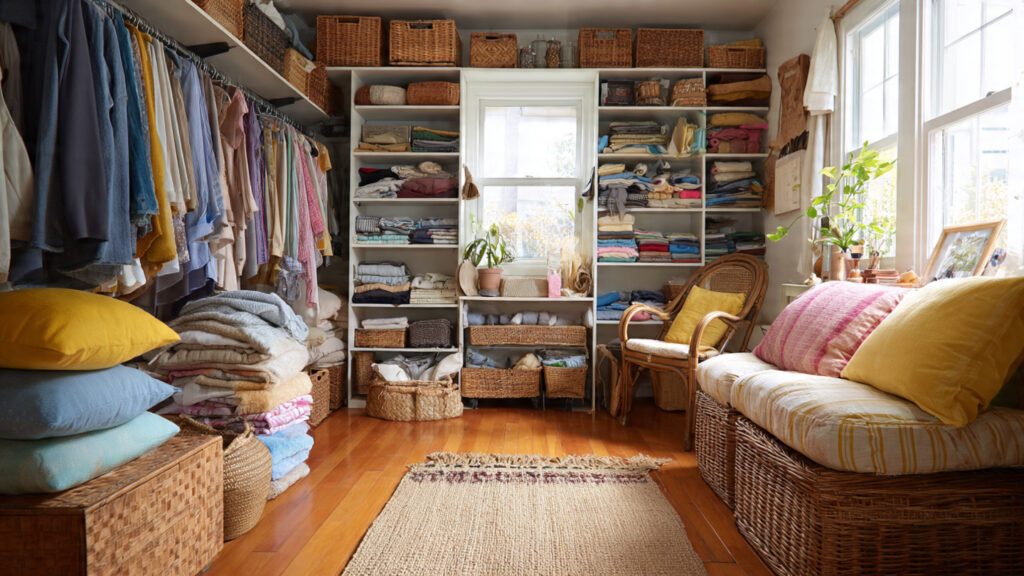
A tidy home is more than just a visual delight—it’s a sanctuary that fosters mental clarity, reduces stress, and streamlines daily life. While most people understand the basics of cleaning and decluttering, there’s an invisible set of rules that truly organized individuals follow to maintain order effortlessly. These “unspoken guidelines” go beyond surface-level tidiness—they shape habits, routines, and the mindset needed for a home that feels perpetually neat and welcoming.
1. Everything Has Its Place
One principle every organized person lives by is: everything has a designated spot. Clutter accumulates when items lack a proper home. Keys on the counter, shoes by the door, or mail scattered across tables may seem minor, but these small displacements create a sense of chaos over time.
Organized individuals assign a logical place for every item. Kitchen utensils, bathroom essentials, and even children’s toys are stored where they naturally belong. By consistently returning things to their assigned spots, maintaining order becomes almost automatic.
2. Adopt the “One Touch” Rule
Another unspoken guideline is the “one touch” rule: when you pick something up, either put it away or act on it immediately. For example, when mail arrives, you either file it, pay the bills, or recycle it—never leave it lying around.
This habit may seem simple, but it prevents small clutter from snowballing into overwhelming piles. It also trains the mind to act decisively, reinforcing the habit of orderliness.
3. Declutter Regularly—Not Occasionally
Many people tidy up when things feel messy, but organized individuals practice consistent decluttering. They don’t wait for clutter to become unmanageable; instead, they schedule mini purges regularly—monthly or even weekly.
The unspoken rule is to ask: Do I truly use or need this item? If the answer is no, it’s donated, recycled, or discarded. This proactive approach keeps belongings relevant and manageable, and ensures spaces remain airy and stress-free.
4. Prioritize Vertical and Hidden Storage
Maximizing storage efficiency is another secret. Organized homes often utilize vertical space like shelves, hooks, or hanging organizers. These solutions keep surfaces clear and make every inch of a room functional.
Hidden storage, such as under-bed drawers, ottomans with compartments, or built-in cabinets, is equally crucial. By keeping possessions out of immediate sight, the home feels less cluttered and more serene, even when it’s fully stocked.
5. Follow Daily Maintenance Habits
Maintaining a tidy home isn’t about grand cleaning sessions; it’s about daily habits. Organized individuals dedicate a few minutes each day to simple tasks:
- Wiping down kitchen counters after meals
- Making the bed immediately after waking
- Putting laundry in the hamper instead of letting it pile up
- Tidying shoes, coats, and bags at the end of the day
Small, consistent actions prevent mess from accumulating and make deeper cleaning sessions less daunting.
6. Practice Mindful Consumption
Disorganization often begins with acquisition. Organized individuals are selective about what they bring into their homes. They understand the unspoken rule: quality over quantity, and only items that add value or joy deserve space.
Mindful shopping habits—considering necessity, function, and longevity—ensure that homes don’t become overcrowded. This principle reduces the need for constant decluttering, as every item serves a purpose.
7. Implement Zones and Functional Areas
Every tidy home has zones, even if subconsciously. These zones group items and activities together for efficiency and clarity.
- Entryway zone: shoes, keys, bags
- Work/study zone: stationery, laptop, office supplies
- Kitchen zone: cooking utensils, spices, dishware
- Relaxation zone: books, cozy throws, entertainment devices
By compartmentalizing spaces, organized individuals prevent chaos and maintain an intuitive flow throughout the home.
➡️ How to Grow Malabar Spinach from Cuttings for Fast, Easy Greens
➡️ How to Grow Super Delicious Cabbage at Home Without a Garden
➡️ How to Grow Bean Sprouts at Home in Plastic Bottles Easily (Step‑by‑Step Guide)
➡️ Why is Your Lemon Tree Blooming in the Heart of Winter?
➡️ Why Should Your Garden Have a Dedicated Pollinator Highway?
➡️ Why Do Your Fruit Trees Need a Winter Wash to Thrive in Spring?
➡️ How Can Rice Water Transform Your Fruits into Sweeter Delights?
➡️ Jumpstart Your Winter Garden: Seed Starting Under Lights
8. Embrace the Art of Minimalism Without Extremes
Tidy homes often reflect a minimalist mindset, but not necessarily a bare-bones lifestyle. The unspoken guideline here is balance: retain items that bring joy, comfort, or utility, and let go of the rest.
Cluttered homes are not necessarily “lived in” homes—they’re homes where attachment to unnecessary things overtakes functionality. Organized people make space for life, not excess.
9. Use Labels and Clear Containers
One overlooked guideline is visual clarity through labeling. Even the most disciplined individuals benefit from transparent storage or labeled bins, especially in kitchens, closets, and offices.
Clear containers reduce the cognitive load of remembering where things belong. Labels act as reminders, maintaining order even when multiple people use the same space.
10. Seasonal and Situational Adjustments
Organized homes evolve with seasons and circumstances. For instance:
- Winter coats and boots are stored neatly during summer
- Outdoor furniture is organized during rainy seasons
- Holiday décor is packed away immediately after use
By adapting the home to changing conditions, organized individuals ensure that clutter never accumulates and spaces always feel intentional.
11. Prioritize Clean as You Go
This principle extends to kitchens, bathrooms, and hobby spaces. Instead of letting mess pile up, tidy individuals clean as they go.
Cooking? Wash a few dishes while the oven heats. Painting or crafting? Clean brushes and work surfaces immediately. This reduces cleaning stress later and keeps spaces consistently usable.
12. Foster a Mindset of Continuous Improvement
Finally, tidy homes are reflections of continuous refinement, not perfection. Even the most organized people reassess their spaces, reorganize, and optimize storage as life changes.
The unspoken rule here is flexibility: a home should adapt to the family, hobbies, and lifestyle. Organized individuals accept imperfection while striving for better systems, making tidiness a sustainable habit rather than a temporary effort.
Conclusion
A truly tidy home is more than just the absence of mess—it’s the presence of systems, routines, and thoughtful habits that promote order, clarity, and peace of mind. While cleaning and decluttering are obvious steps, the unspoken guidelines—everything having a place, mindful consumption, daily maintenance, proper zoning, and continuous improvement—are what separate effortlessly organized homes from those that constantly feel chaotic.
By internalizing these principles, anyone can transform their living space into a sanctuary of order and serenity. Beyond aesthetics, a tidy home nurtures mental clarity, encourages productivity, and supports a lifestyle of intention and calm. After all, the beauty of organized living lies not just in how the home looks, but in how it makes life feel—balanced, stress-free, and genuinely enjoyable.