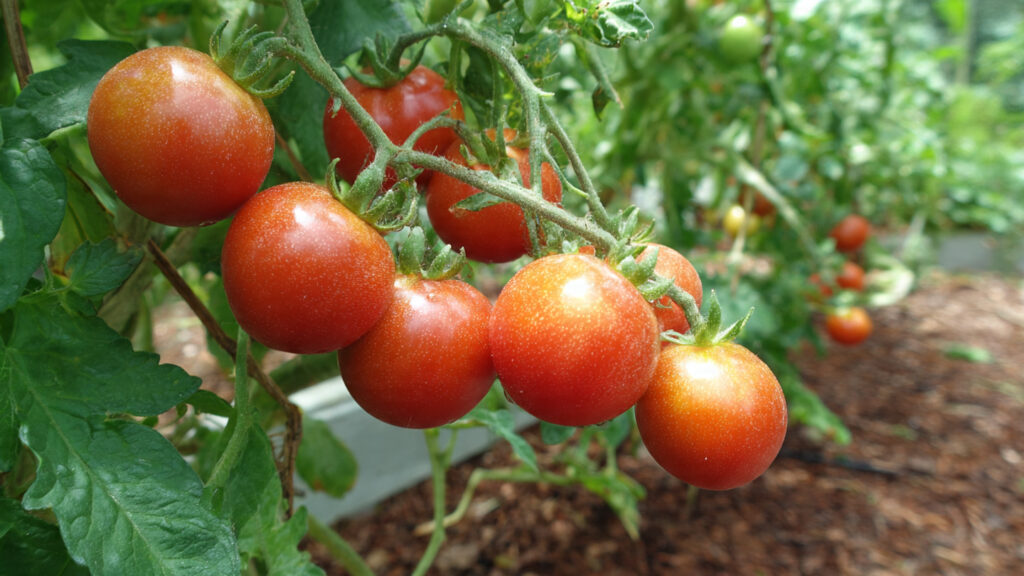
When it comes to gardening, many of us focus on watering, fertilizing, and providing adequate sunlight for our vegetables. While these are crucial for plant health, there is one critical step that often goes unnoticed, yet significantly impacts both growth and size: pruning. More specifically, an overlooked pruning step can make the difference between a lush, productive vegetable garden and one that struggles to yield substantial produce.
Why Pruning Matters in Vegetable Gardening
Pruning is more than just shaping your plants to look neat. In vegetables, pruning helps:
- Improve airflow: Reducing the density of leaves and branches prevents fungal diseases.
- Encourage energy allocation: Removing non-productive parts directs the plant’s energy toward fruit development.
- Increase light penetration: More sunlight reaches leaves and fruits, boosting photosynthesis.
- Enhance fruit size and quality: Proper pruning encourages larger and healthier vegetables.
Despite these benefits, many gardeners miss a specific pruning step that has a surprisingly large effect on plant productivity.
The Overlooked Step: Pinching the Apical Bud
The apical bud, or the growing tip at the top of a plant, is often ignored. While it may seem harmless, leaving it untouched can limit your vegetable’s potential. Here’s why:
- The apical bud produces hormones called auxins that inhibit the growth of lateral branches.
- If left unpruned, the plant focuses more on vertical growth rather than spreading out to produce more fruits.
- For vegetables like tomatoes, peppers, and cucumbers, this can result in smaller fruits and lower overall yield.
The solution? Pinching or pruning the apical bud at the right time encourages lateral growth, allowing your plant to develop more branches and, ultimately, more fruit-bearing sites.
How to Pinch Correctly
Pinching is simple but requires attention to timing and technique. Follow these steps:
- Identify the apical bud: Look for the newest, topmost growth on your vegetable plant.
- Use clean fingers or pruning shears: Sterilize tools to avoid spreading disease.
- Pinch or cut carefully: Remove the top 1–2 inches of the growing tip.
- Monitor new growth: Within a week or two, lateral branches should start emerging from nodes below the pinch.
Timing is everything. For fast-growing vegetables like tomatoes and peppers, pinch when plants are young but strong enough to handle the stress. For slow-growing plants, wait until they have developed 4–6 true leaves.
Vegetables That Benefit Most
Some vegetables respond exceptionally well to apical pruning:
- Tomatoes: Pinching the apical bud encourages more branches and clusters of fruit. Indeterminate varieties benefit most.
- Peppers: Pruning the top helps produce a bushier plant and increases flower sites, leading to more peppers.
- Cucumbers: Removing the growing tip encourages lateral shoots, improving fruit size and yield.
- Squash and zucchini: Pinching off the tip prevents excessive vine length, concentrating growth on fruit production.
- Leafy greens: While less common, removing the central growing tip in plants like kale or Swiss chard promotes more side leaves for harvest.
Common Mistakes to Avoid
While pinching seems simple, gardeners often make mistakes that reduce its effectiveness:
- Pinching too early: Removing the apical bud too soon can stunt the plant and delay growth.
- Pinching too late: Waiting until the plant is fully matured limits the impact on lateral branching.
- Over-pruning: Excessive pruning can stress the plant and reduce photosynthetic capacity.
- Neglecting sanitation: Using dirty tools spreads pathogens, undoing the benefits of pruning.
By understanding these pitfalls, you can maximize the advantages of this overlooked pruning step.
Additional Pruning Tips for Bigger Vegetables
Beyond the apical bud, other pruning practices enhance vegetable growth:
- Remove damaged or yellow leaves: Keeps plants healthy and prevents disease spread.
- Thin overcrowded plants: Avoid competition for nutrients, sunlight, and water.
- Prune suckers: For plants like tomatoes, small side shoots that grow in leaf axils can be removed to direct energy toward main fruit clusters.
- Regular maintenance: Check plants weekly to ensure they are growing optimally and prune as needed.
Impact on Growth and Size: What Science Says
Studies and practical gardening experience confirm the benefits of proper pruning:
- Tomato plants that undergo apical pruning can produce up to 20–30% more fruit per season.
- Pepper plants with controlled tip pruning grow bushier and yield larger, more uniform fruits.
- Cucumber plants trained and pruned strategically produce heavier, faster-maturing fruits.
The key is understanding that pruning is not just about aesthetics. It is a tool to strategically manipulate plant growth, maximizing both quantity and quality.
How to Integrate Pruning into Your Gardening Routine
Incorporating pruning doesn’t require drastic changes:
- Start with healthy seedlings: Strong, well-rooted plants respond better to pruning.
- Plan your garden layout: Give each plant enough space to grow laterally.
- Schedule pruning sessions: Weekly checks allow you to remove apical buds and other growth as needed.
- Combine with proper care: Fertilization, watering, and pest management work hand-in-hand with pruning to optimize results.
Even small gardens benefit from regular attention to pruning. A few strategic pinches each week can transform your vegetable yield dramatically.
➡️ How to Grow Malabar Spinach from Cuttings for Fast, Easy Greens
➡️ How to Grow Super Delicious Cabbage at Home Without a Garden
➡️ How to Grow Bean Sprouts at Home in Plastic Bottles Easily (Step‑by‑Step Guide)
➡️ Why is Your Lemon Tree Blooming in the Heart of Winter?
➡️ Why Should Your Garden Have a Dedicated Pollinator Highway?
➡️ Why Do Your Fruit Trees Need a Winter Wash to Thrive in Spring?
➡️ How Can Rice Water Transform Your Fruits into Sweeter Delights?
➡️ Jumpstart Your Winter Garden: Seed Starting Under Lights
Beyond Size: Quality Improvements
Pruning impacts more than just size. It improves flavor, texture, and shelf-life:
- Fruits ripen evenly because energy is concentrated on fewer, healthier fruits.
- Denser foliage is reduced, decreasing the risk of fungal infections that can compromise quality.
- Plants remain vigorous and stress-resistant, producing consistently high-quality vegetables throughout the season.
Conclusion: Don’t Overlook This Small Step
Many gardeners underestimate the power of pruning, particularly the apical bud pinch. This simple yet overlooked step can:
- Enhance lateral growth
- Boost vegetable size
- Increase yield
- Improve overall plant health
By integrating this technique into your gardening routine, you can turn average-looking vegetables into robust, bountiful produce that rivals professional gardens. Remember, sometimes the smallest adjustments make the biggest difference. Next time you tend your garden, take a moment to inspect the tops of your plants — that tiny pinch could unlock the full potential of your vegetables.