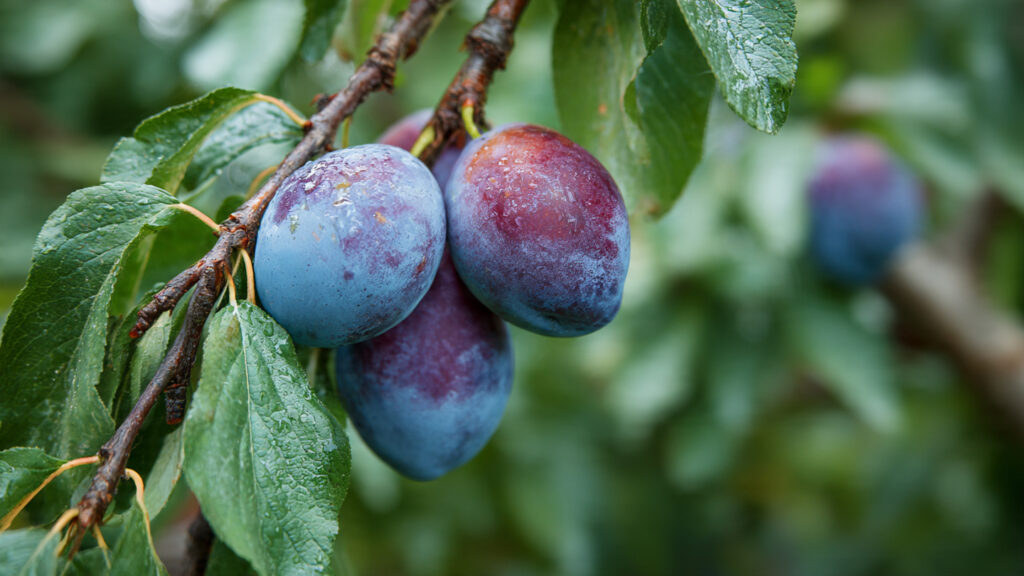
Pruning is often considered a routine task in fruit gardening, yet its influence on the size and quality of fruit cannot be overstated. While many gardeners meticulously water, fertilize, and protect their plants, skipping or mismanaging specific pruning steps can silently undermine the potential of your fruit-bearing trees. In this article, we explore the crucial pruning practices that are often overlooked and how they directly affect fruit size, yield, and overall tree health.
The Role of Pruning in Fruit Production
Pruning is much more than shaping a tree for aesthetic appeal. It is a fundamental horticultural practice that encourages healthy growth, improves air circulation, controls pests and diseases, and ultimately directs the tree’s energy toward producing larger, more flavorful fruits.
Trees naturally produce more shoots than they can sustain, and not all of these shoots are productive. Without strategic pruning, energy is wasted on unproductive branches, which results in smaller fruits and lower yields. Proper pruning ensures that a tree’s energy is concentrated on branches that bear fruit, which is key to maximizing size.
Commonly Overlooked Pruning Steps
While most gardeners prune their trees, several essential steps are often neglected, inadvertently impacting fruit size. Understanding and implementing these can make a significant difference.
1. Thinning Cuts to Reduce Crowding
One of the most overlooked aspects of pruning is thinning — selectively removing entire branches rather than just trimming tips. Crowded branches compete for sunlight, nutrients, and water, and this competition can drastically reduce fruit size.
Thinning improves light penetration and air circulation within the canopy, which supports photosynthesis and encourages larger fruit growth. Overlooked thinning often results in small, misshapen fruits and a higher risk of fungal diseases due to stagnant, shaded areas.
2. Removing Suckers and Water Sprouts
Suckers (shoots growing from the base of the tree) and water sprouts (vigorous vertical shoots from branches) consume a disproportionate amount of the tree’s energy. Gardeners often leave these unchecked, thinking they might bear fruit in the future.
In reality, these shoots rarely produce quality fruits. Their unchecked growth diverts carbohydrates and nutrients away from fruit-bearing branches, resulting in smaller fruits. Regular removal ensures that resources are directed toward branches that will actually contribute to fruit production.
3. Cutting Back Overlong Branches
Many fruit trees develop long, leggy branches. While it may seem harmless, these branches can bear small, low-quality fruit because their distance from the main tree reduces nutrient flow.
Pruning back overlong branches encourages lateral growth, creating more flowering sites closer to the trunk, where nutrient delivery is strongest. Overlooking this step often leaves gardeners frustrated with bountiful but undersized fruits.
4. Timing of Pruning
Pruning at the wrong time is a subtle but significant mistake. Each tree species has an optimal pruning window — usually during dormancy or after harvest. Pruning too early or too late can stress the tree and reduce fruit size.
For example, winter pruning encourages vigorous spring growth but might reduce flowering if done too aggressively. Conversely, summer pruning can prevent excessive vegetative growth but may also reduce carbohydrate reserves needed for fruit enlargement. Missing the timing means your fruits may never reach their full potential.
How Overlooked Steps Affect Fruit Size
The impact of overlooked pruning steps is cumulative. Here’s how these missteps manifest in fruit development:
Reduced Carbohydrate Allocation
Pruning is essential for managing a tree’s carbohydrate budget. Every leaf on the tree produces energy via photosynthesis, but if energy is diverted to unproductive shoots or overcrowded branches, less is available for fruit enlargement.
Neglecting to thin branches or remove suckers directly reduces the amount of sugar and starch reaching fruits. This often results in small, underdeveloped fruits, even when other care practices like fertilization and irrigation are perfect.
➡️ How to Grow Malabar Spinach from Cuttings for Fast, Easy Greens
➡️ How to Grow Super Delicious Cabbage at Home Without a Garden
➡️ How to Grow Bean Sprouts at Home in Plastic Bottles Easily (Step‑by‑Step Guide)
➡️ Why is Your Lemon Tree Blooming in the Heart of Winter?
➡️ Why Should Your Garden Have a Dedicated Pollinator Highway?
➡️ Why Do Your Fruit Trees Need a Winter Wash to Thrive in Spring?
➡️ How Can Rice Water Transform Your Fruits into Sweeter Delights?
➡️ Jumpstart Your Winter Garden: Seed Starting Under Lights
Increased Disease Pressure
Crowded branches and dense foliage create microenvironments conducive to fungal and bacterial infections. When disease spreads, the tree diverts energy to defense rather than fruit development. Overlooked pruning steps like thinning and removing weak branches allow these problems to flourish, indirectly reducing fruit size.
Imbalanced Hormonal Signals
Pruning also affects the hormonal balance in trees. Growth hormones like auxins and cytokinins regulate fruit development, and poorly managed pruning can disrupt these signals. For instance, leaving too many vigorous shoots can suppress flowering hormones in fruiting branches, resulting in smaller fruits and inconsistent yields.
Corrective Measures for Better Fruit Size
Addressing overlooked pruning steps is straightforward once you understand their significance. Here’s a practical approach:
Step 1: Evaluate Tree Structure
Start by assessing the tree’s framework. Identify crowded branches, suckers, water sprouts, and excessively long limbs. Mark which branches contribute to fruiting and which are merely consuming energy.
Step 2: Thinning and Shaping
Remove non-productive branches to reduce competition. Focus on improving light penetration and airflow within the canopy. The goal is to maintain a balanced structure where fruiting branches have sufficient space and exposure.
Step 3: Seasonal Pruning
Follow species-specific pruning schedules. Dormant pruning works well for most deciduous trees, while summer pruning may be appropriate for certain fruit trees like peaches or plums. Timing ensures optimal energy distribution and fruit development.
Step 4: Monitor and Maintain
Pruning is not a one-time task. Seasonal maintenance, including removing new suckers, thinning dense areas, and adjusting branch lengths, keeps the tree productive year after year.
Real-Life Examples of Pruning Impact
Experienced gardeners often notice stark differences after implementing proper pruning:
- Apple Trees: Trees that were previously overgrown produced small, sour fruits. After thinning and proper shaping, fruit size and sweetness improved within one season.
- Mango Trees: Removing water sprouts and excess branches directed nutrients to fruiting sites, resulting in larger, juicier mangoes.
- Peach Trees: Correct timing of summer pruning reduced vegetative growth and improved the size and quality of the remaining fruits.
Conclusion
Pruning is an art and science, and overlooking crucial steps can silently sabotage your fruit harvest. From thinning crowded branches and removing suckers to cutting back overlong limbs and observing seasonal timing, each step directly influences fruit size, yield, and quality. By paying attention to these often-neglected practices, gardeners can unlock the full potential of their fruit trees and enjoy bountiful, healthy, and delicious harvests.
Investing a little time and knowledge in proper pruning not only ensures larger fruits but also strengthens the overall health of your trees, making them more resilient to pests, diseases, and environmental stress. In the world of fruit gardening, mastering pruning is perhaps the single most impactful practice to boost fruit size — and it starts with never overlooking the details.